What Is an Industrial Portable Computer?
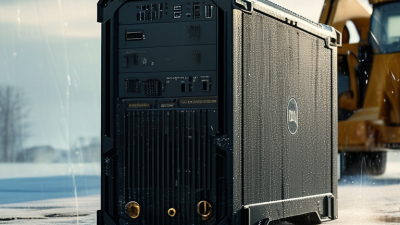
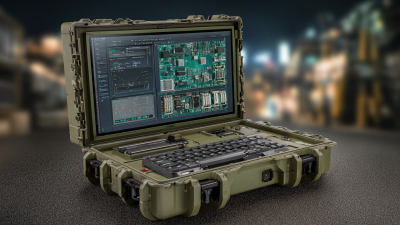
An industrial portable computer is more than a laptop inside a reinforced case. It is a mobile computing system designed for factories, warehouses, utilities, transport, and field maintenance. Its enclosure may resist dust, water, vibration, drops, and temperature changes. Its screen must remain readable beside a loading bay or production line. Its battery should last through a shift, not merely a meeting.
Market research supports this practical definition. MarketsandMarkets identifies industrial PCs as essential for automation, monitoring, and machine control, with demand linked to smart manufacturing and connected operations. VDC Research’s studies of rugged mobile computing also emphasize lifecycle reliability, serviceability, and total cost of ownership. These reports suggest an important point: purchase price alone can hide the real cost of downtime. A failed device beside a conveyor may delay inspections, records, and shipments.
David Krebs, executive vice president at VDC Research, has described rugged mobile technology as equipment that must “work where the work happens.” That idea captures the purpose of an industrial portable computer. It must connect with enterprise software, barcode scanners, sensors, cameras, and secure wireless networks. It must also remain manageable for technicians.
Still, “rugged” is not a universal guarantee. Certification labels can be misunderstood. A device rated for rain may not survive chemical exposure or repeated drops. Buyers should test actual workflows, gloves, lighting, docks, and repair procedures before deployment. In practice, the best computer is not always the strongest-looking one. It is the model that reliably supports people, machines, and decisions under real industrial pressure.
Definition and Core Purpose of an Industrial Portable Computer
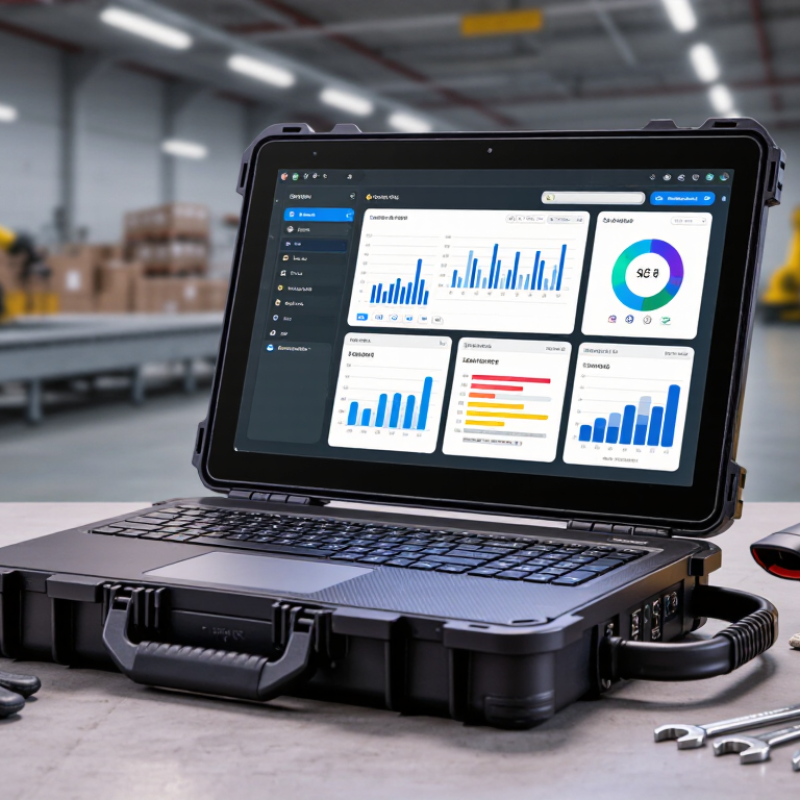
An industrial portable computer is a mobile computing device built for demanding workplaces. Its core purpose is to collect, process, and exchange operational data where ordinary office equipment may fail. It usually combines a reinforced enclosure, sealed ports, daylight-readable display, long battery life, and resistance to dust, vibration, moisture, and temperature changes. An operator may carry it beside a conveyor, mount it on a service cart, or use it inside a noisy warehouse. The boundary is not always clean.
The device connects physical work with digital systems. A technician can scan a component, check maintenance instructions, record a measurement, and update a work order without returning to a desk. IoT Analytics reported 16.6 billion connected IoT devices worldwide at the end of 2023. Its 2024 forecast reached 18.8 billion devices. This growth increases the need for reliable mobile interfaces near machines and assets. IDC’s Worldwide Semiannual Internet of Things Spending Guide also projected global IoT spending above one trillion dollars in 2023, showing why field data has become operationally important.
Durability alone does not define the computer. It must remain usable with gloves, limited connectivity, and changing light. Its software should support access control, audit trails, remote updates, and accurate timestamps. A faster processor may help, but poor ergonomics can slow real work. That is an easy detail to miss. The definition also has limits: not every rugged device needs the same certification, battery capacity, or environmental protection. Selection should follow the actual task, not an impressive specification sheet.
What Is an Industrial Portable Computer?
An industrial portable computer is a rugged mobile computing device designed to collect, process, and display operational data in demanding industrial environments. Its core purpose is to support reliable field work while resisting dust and water exposure.
This chart uses IEC 60529 ingress-protection codes as a factual reference. The first digit indicates protection against solid particles, while the second digit indicates protection against water. Higher code numbers represent a higher protection level within each category; the codes are not an overall performance score.
Key Components and Rugged Design Features
What Is an Industrial Portable Computer?
An industrial portable computer is designed for factories, warehouses, utilities, and outdoor service work. Its value depends on reliable operation, not decorative specifications. Deloitte’s 2024 Smart Manufacturing and Operations Survey found that 92% of manufacturers consider smart manufacturing important for future competitiveness. That shift increases demand for mobile computers that survive demanding workspaces.
Key components include an energy-efficient processor, solid-state storage, industrial memory, and multiple communication interfaces. A fanless thermal design reduces dust entry and moving-part failures. Shock-mounted storage helps protect data during vehicle movement. Glove-friendly touchscreens, sunlight-readable panels, and physical function keys support technicians wearing protective equipment. Battery capacity also matters. A computer that stops during a twelve-hour inspection is not truly portable.
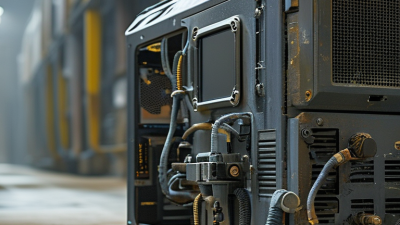
Rugged design begins with enclosure protection. IP65 or IP66 ratings indicate resistance to dust and water under defined test conditions. They do not guarantee survival in every environment. MIL-STD-810H testing can evaluate shock, vibration, humidity, and temperature, but test methods must be checked carefully. In field deployments, connectors and hinges often fail before the main processor. Sealed ports, reinforced corners, and corrosion-resistant materials deserve equal attention. A higher IP rating is not automatically better. Designers sometimes overprotect the enclosure and create excess heat. That trade-off remains easy to underestimate.
How Industrial Portable Computers Operate in Harsh Environments
What Is an Industrial Portable Computer?
How Industrial Portable Computers Operate in Harsh Environments
An industrial portable computer is a rugged mobile workstation built for movement, measurement, and control. In harsh environments, its value comes from dependable operation, not appearance. Technicians may carry it through a dusty plant, a refrigerated room, or a vibrating vehicle. A sealed enclosure limits dust and moisture, while reinforced corners absorb accidental drops. Its display stays readable under bright lamps, and its controls support gloved hands. Solid-state storage usually tolerates vibration better than spinning drives.
Inside, thermal management controls heat during long shifts. The computer can collect sensor readings, run maintenance software, and store records locally when networks fail. A high-capacity battery helps, but cold temperatures can reduce runtime faster than expected. Ports need careful protection, too. An open connector can defeat an otherwise sealed design. Field experience shows that small details matter. Latches must close fully, and charging contacts need regular cleaning. Still, no enclosure is invulnerable. Condensation, poor handling, or an overlooked cable can cause failure. Testing plans should admit these weaknesses.
Tips: Match ingress and impact ratings to actual site conditions. Check temperature limits, glove response, battery performance, and cleaning instructions. Test the unit after transport, not only in a quiet office. Record failures honestly. That feedback improves future deployment decisions.
Common Applications Across Industrial and Commercial Settings
What Is an Industrial Portable Computer?
Common Applications Across Industrial and Commercial Settings
Industrial portable computers support work where ordinary laptops struggle. Their sealed housings, daylight-readable screens, and shock resistance suit warehouses, factories, utilities, and field service teams. A technician can scan a component beside a vibrating machine, update maintenance records, and attach a photo without returning to an office. That small movement saves time.
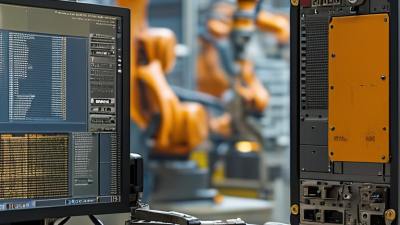
In logistics, workers use them for receiving, picking, cycle counts, and route verification. In manufacturing, they display digital work instructions, record inspections, and connect with production systems. Utility crews use them outdoors, where rain, dust, gloves, and uneven lighting create practical problems. The U.S. Energy Information Administration reported that electricity consumption in commercial buildings reached about 6.8 quadrillion British thermal units in 2022. This scale increases the value of accurate field inspections and energy monitoring. The computer is only one part.
Commercial applications are expanding too. Retail teams manage inventory from sales floors, while transport operators confirm deliveries at loading bays. MarketsandMarkets projects the industrial PC market will grow from approximately 5.8 billion dollars in 2023 to 8.5 billion dollars by 2028. That forecast suggests stronger demand for reliable computing near physical operations.
However, market forecasts are not guarantees. Poor software integration, weak battery planning, or an uncomfortable grip can reduce productivity. No device fixes a flawed workflow. Teams should test keyboards, glove use, connectivity, and repair procedures in real conditions before wider deployment.
Selection Criteria, Benefits, and Limitations of These Devices
What Is an Industrial Portable Computer?
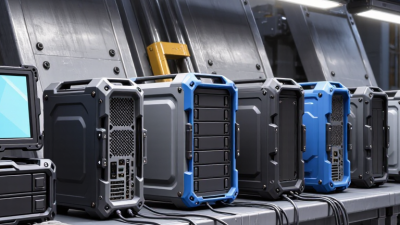
An industrial portable computer is built for demanding workplaces, including warehouses, production floors, field service sites, and transport operations. Selection should begin with the environment, not the processor. Check resistance to dust, water, vibration, drops, and temperature changes. An appropriate protection rating matters when metal particles or cleaning fluids are present. It is also important to test screen readability under direct sunlight and artificial glare.
Battery life needs practical testing. A device may claim long operation, yet heavy scanning, wireless communication, and bright displays reduce endurance. Choose removable batteries or charging options that fit the work schedule. Ports, wireless stability, barcode support, and compatibility with existing software deserve equal attention. Gloves can make small buttons frustrating. A lighter device may improve productivity, but lighter construction can sometimes reduce durability. The compromise is real.
These computers can reduce paper records, speed inspections, and let workers update information beside the equipment. Faster data entry can expose faults earlier. However, they often cost more than ordinary computers and may require specialized accessories or staff training. Repairs can also be slower if replacement parts are limited. A rugged casing does not guarantee reliable performance in every setting. Dust seals may weaken after repeated impacts, and wireless signals can fail near dense machinery. A short field trial, with actual gloves, tools, lighting, and network conditions, provides more dependable evidence than a specification sheet. Even then, maintenance habits remain easy to underestimate.