Industrial computer systems have become the quiet backbone of modern production. They manage robotic arms, inspect product surfaces, and collect data beside hot, dusty machines. Unlike office computers, an industrial computer system must tolerate vibration, temperature changes, electromagnetic interference, and continuous operation. That difference shapes every buying decision.
Market forecasts show why global buyers need a structured comparison. Fortune Business Insights valued the industrial PC market at approximately USD 5.4 billion in 2023. Its report projects continued growth through 2032, supported by automation, edge computing, and smart manufacturing. MarketsandMarkets also identifies rising demand for rugged computers, panel PCs, embedded systems, and fanless designs. The numbers are useful, but they are not perfect. Research firms define the market differently.
ARC Advisory Group analyst Larry O’Brien has described industrial PCs as “the Swiss Army knife of automation.” The phrase is memorable. It also needs qualification. A flexible device is not automatically the right device. A factory controlling a CNC line may need deterministic performance and multiple industrial interfaces. A warehouse may prioritize compact edge gateways, remote management, and low power use. A food-processing site may require sealed enclosures and easy cleaning.
This outline examines the top types of industrial computer system available to international buyers. It compares rack-mount computers, box PCs, panel PCs, embedded systems, and industrial tablets. The discussion will consider processor capacity, operating temperature, ingress protection, lifecycle support, cybersecurity, certifications, and total ownership cost. Specifications alone can mislead. A cheaper computer may become expensive when downtime, replacement parts, and software migration are included. Reliable purchasing requires evidence from datasheets, testing records, supplier references, and real operating conditions.
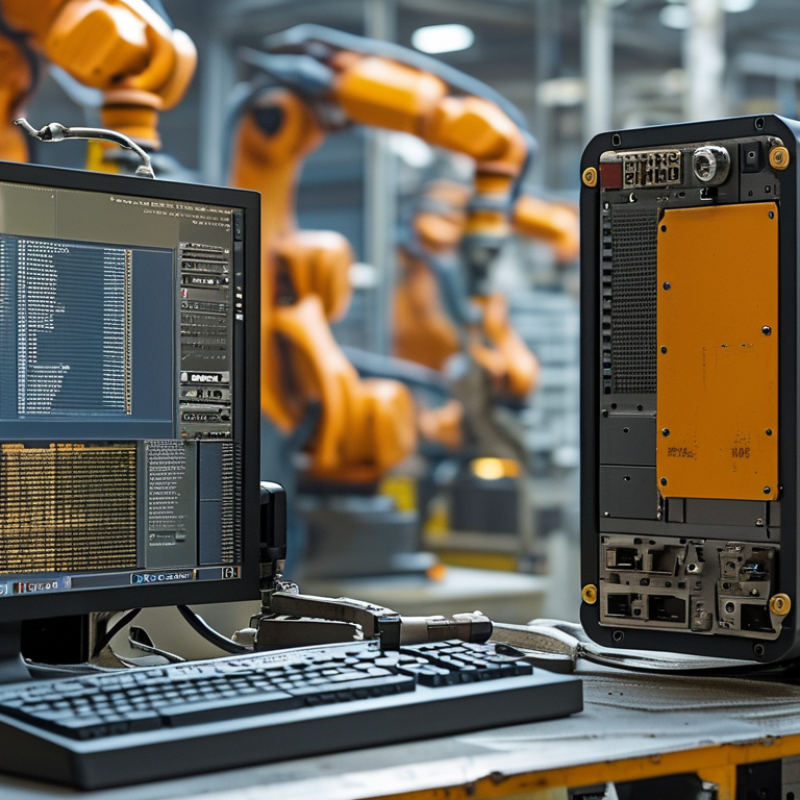
Industrial computer systems are rugged computing platforms designed for factories, warehouses, transport sites, and other demanding environments.
Unlike office computers, they must manage vibration, dust, temperature changes, and continuous operation. Their purpose is practical: collect sensor data, run control software, display production information, and connect machines with minimal delay.
A system may sit beside a conveyor, inside a control cabinet, or behind a vehicle dashboard. In each location, reliability matters more than decorative design.
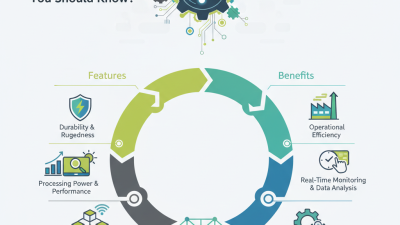
Core features usually include fanless cooling, solid-state storage, wide-voltage input, sealed enclosures, and multiple industrial communication ports.
Some systems support extended temperature ranges or remote monitoring. Buyers should also examine processing capacity, operating-system compatibility, cybersecurity controls, and service life.
From project experience, higher specifications do not always create better results. Excess performance can increase cost, heat, and maintenance complexity. That assumption deserves review.
Local standards, installation skills, and replacement access can matter as much as processor speed.
Tips:
Define the workload before comparing systems. Record temperature, vibration, power limits, and required ports at the installation site.
Ask for test evidence, not only product claims. Check whether storage and memory can be replaced without removing the whole unit.
For global projects, confirm regional power compatibility, documentation quality, warranty procedures, and technical support response times.
A small pilot test can reveal cable conflicts, display glare, or unstable network connections before full deployment.
Industrial computer systems differ mainly by physical design and working environment. Panel PCs combine a display and computing unit in one sealed enclosure. They suit operator stations, production lines, and machine control panels. A stainless-steel front, glove-friendly touchscreen, and sealed edges help resist dust, oil, and frequent cleaning.
Box PCs separate the computer from the display. This flexible design works well for machine vision, data collection, and automated inspection. Engineers can mount the unit inside a cabinet or beside a conveyor. DIN-rail computers save space in electrical panels and support compact control systems. Their small size helps, but limited airflow can create thermal problems.
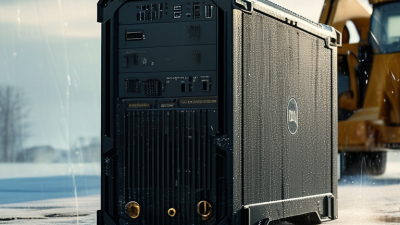
Rackmount systems fit standard equipment cabinets and support centralized monitoring, industrial networking, and storage. They usually offer stronger expansion options than smaller embedded units. Rugged computers serve transport, outdoor monitoring, and harsh mobile applications. Shock-resistant housing, wide-temperature operation, and secure connectors matter more than appearance. In field use, I have found that cable access often decides whether installation feels reliable.
Design choices should follow the application, not a product checklist. Check vibration, humidity, temperature changes, maintenance access, and required service life. A fanless computer may reduce dust intake, yet passive cooling can restrict processing performance. This trade-off is easy to underestimate. No system design is perfect; real sites often reveal weaknesses during seasonal heat, cleaning, or unexpected upgrades.
Industrial computers are selected by workload, environment, and maintenance access. The main types include panel PCs, box PCs, rack-mounted systems, and rugged edge computers. MarketsandMarkets estimates that the industrial PC market could reach about USD 7 billion by 2029. This growth reflects wider automation and real-time data needs.
Hardware choices determine reliability. A quad-core processor may handle inspection dashboards, but vision systems often need stronger parallel processing. Memory should support the operating system, analytics, and temporary image storage. Eight gigabytes can be enough for basic control tasks. Sixteen or thirty-two gigabytes offers safer headroom. Solid-state storage reduces vibration damage and shortens boot times. However, storage endurance is often overlooked. Continuous logging can wear consumer-grade drives quickly.
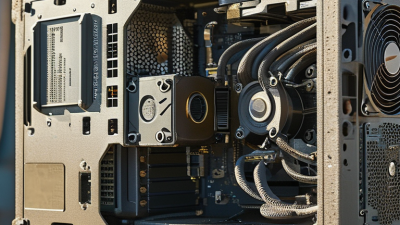
Industrial performance also depends on physical design. A sealed aluminum chassis helps limit dust and moisture exposure. Wide-temperature components support cabinets near furnaces or loading bays. Fanless cooling reduces dust intake, but it may reduce peak processing performance. This trade-off deserves testing. IEC 60068 environmental tests and IEC 61000 electromagnetic compatibility requirements provide useful reference points. IDC’s Worldwide Edge Spending Guide reports continued growth in distributed edge investment, where local processing reduces network delay. Still, a faster processor cannot fix unstable power. Buyers should verify voltage tolerance, surge protection, watchdog recovery, and remote diagnostics before deployment. My own checklist sometimes underestimates cable access. Technicians need room to replace parts safely.
Top Types of Industrial Computer Systems for Global Buyers
How to Select an Industrial Computer System for Global Operations
Selecting an industrial computer system for global operations starts with the site, not the product list. A fanless embedded computer suits dusty workshops and sealed control cabinets. A rack-mounted system fits server rooms with stable power and planned maintenance. Panel PCs help operators read data beside conveyors, pumps, or filling lines. These choices sound simple. They are not. Measure temperature, vibration, moisture, dust, and cabinet space before approval.
For international deployment, confirm voltage ranges, input protection, and regional power connectors. Check processor performance against actual workloads, such as camera inspection or protocol conversion. Leave memory and storage headroom for software updates. A system that works in a test room may fail beside a hot motor. Review operating temperature ratings and mounting methods with a qualified engineer. Ask for lifecycle data, repair procedures, and spare-part availability in each region. Documentation matters.
Connectivity requires equal care. Map Ethernet, serial, USB, wireless, and fieldbus requirements before choosing expansion modules. Use secure boot, controlled user access, encrypted storage, and a documented patch process. For regulated sites, retain test records and traceable configuration changes. I have seen teams overbuy processing power while overlooking cable strain and replacement time. That mistake is expensive. A modest system with clear service access can outperform a stronger unit nobody can maintain locally. Run a pilot in the harshest location, and record failures honestly.
The chart compares representative operating-temperature ranges commonly specified for major industrial computer system types. Panel PCs suit operator interfaces, box and embedded computers support automation and edge computing, rackmount systems fit centralized control rooms, and rugged tablets support mobile industrial work. Actual specifications vary by configuration, so buyers should verify temperature, ingress protection, vibration, power, connectivity, and regional compliance requirements before deployment.
Temperature ranges are representative industry specifications shown in degrees Celsius; always confirm the exact system rating for the intended operating environment.
Industrial computer systems now support machine control, production monitoring, vision inspection, and warehouse automation. Their value depends on the application, not only processing speed. In a metal plant, a fanless panel computer may withstand dust, vibration, and a 24-hour shift. In food processing, sealed enclosures and easy cleaning become more important.
Standards reduce uncertainty for global buyers. IEC 61131-2 addresses programmable controller requirements, while IEC 62443 guides industrial cybersecurity. ISO 13849 remains relevant when computers influence safety-related machinery functions. Buyers should also verify temperature ratings, ingress protection, electromagnetic compatibility, and regional conformity requirements. The International Federation of Robotics reported 541,302 industrial robots installed worldwide in 2023. That figure shows why reliable control infrastructure matters. Yet specifications alone cannot predict field performance. Cable routing, thermal design, and maintenance access often decide the outcome.
Edge computing is moving from optional to practical. IDC’s Worldwide Edge Spending Guide identifies continued growth in local data processing for manufacturing and logistics. The World Economic Forum’s Future of Jobs Report 2025 says 86% of employers expect artificial intelligence and information processing technologies to transform business by 2030. Industrial computers will increasingly combine real-time control, machine learning, digital twins, and time-sensitive networking. This direction is promising. It is also imperfect. Poorly governed data, outdated firmware, and excessive dependence on cloud links can create new operational weaknesses. Global buyers should demand lifecycle support, documented patch policies, and open communication interfaces.