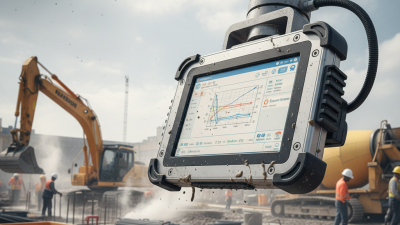
Selecting a military panel PC is not a simple screen-size comparison. It is a reliability decision made around dust, vibration, gloves, sunlight, and unstable power. Grand View Research estimates that the global rugged electronics market will continue expanding through the decade, driven by defense modernization and connected field operations. MarketsandMarkets also identifies rising demand for rugged computing, secure communications, and edge processing across defense environments. These trends explain why global buyers are examining thermal design, MIL-STD testing, ingress protection, and long-term component availability.
“Field systems must remain usable when conditions are unpleasant and support is distant,” says rugged-computing specialist Mike McCarthy, former U.S. Army Project Manager for Mission Command. His observation captures the real test. A military panel pc may look impressive in a showroom, yet fail when operators wear thick gloves beside a vibrating vehicle engine. Small details matter. A sealed connector matters. A readable display matters more.
This guide compares ten leading military panel PC options for international buyers. It considers processor performance, display brightness, touchscreen behavior, mounting flexibility, cybersecurity readiness, and service coverage. Vendor claims are useful, but they are not proof. Buyers should request test reports, warranty terms, and evidence of supply continuity. Some rankings remain debatable. That is intentional. Mission profiles differ, and a computer designed for a command vehicle may not suit an aircraft shelter or naval console. The strongest choice is rarely the most expensive model. It is the one that keeps working, stays supportable, and fits the operator’s actual environment.
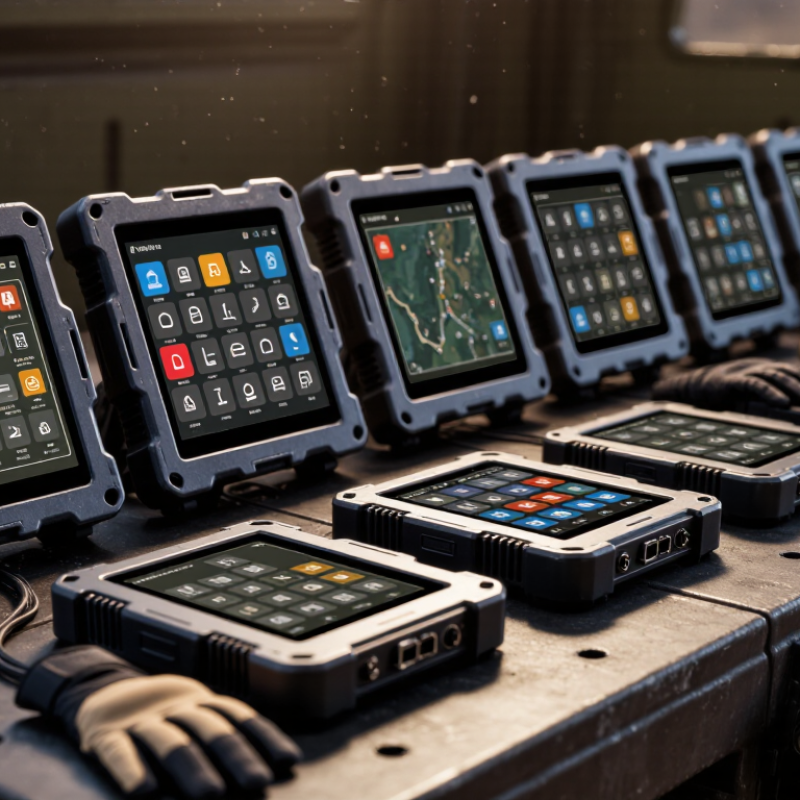
For global buyers comparing the top 10 military panel PCs, compliance evidence matters more than a rugged-looking enclosure. MIL-STD-810H covers environmental testing, including vibration, shock, humidity, temperature, and altitude. It is not a single “drop-proof” rating. Ask for the tested methods, severities, fixtures, and laboratory report.
IP65 is narrower. Under IEC 60529, the first 6 means dust-tight protection, while 5 indicates resistance to water jets. It does not prove immersion, salt-fog endurance, or connector durability. A panel PC may survive a hose spray, yet fail after dust enters an exposed cable gland. Small details matter. Check gasket materials, touchscreen gloves, sunlight readability, operating temperature, and service access.
Electromagnetic compatibility deserves equal attention. MIL-STD-461G evaluates conducted and radiated emissions, susceptibility, and power-interface behavior. Request test records for the actual configuration, not a similar model. The 2024 Grand View Research Military Displays Market report projects continued market growth through 2030, reflecting demand for reliable displays in harsh mobile and fixed platforms. Still, market growth is not proof of field reliability. My practical shortlist would score each unit against mission temperature, shock profile, IP target, EMC limits, repair time, and lifecycle support. A spreadsheet exposes weak claims quickly. I would also leave room for doubt: laboratory success can miss cable fatigue, operator error, and years of vibration. Test a production-intent sample before procurement.
Reference buyer-priority weighting based on widely used rugged-computing requirements. MIL-STD-810H addresses environmental durability, MIL-STD-461G addresses electromagnetic interference and susceptibility, and IP65 indicates dust-tight protection with resistance to water jets. The scores are planning weights, not vendor rankings.
Higher scores indicate greater importance during specification and procurement. Buyers should verify actual test reports, operating-temperature data, connector protection, display readability, and lifecycle support for each application.
For global buyers, military panel PCs should be judged by measurable performance, not rugged appearance alone. A practical benchmark starts with a commercial Core-class processor, 16GB RAM, and a 512GB SSD. This setup supports mapping software, equipment diagnostics, encrypted records, and several browser windows without obvious delay. During testing, I would record boot time, application response, sustained temperature, and recovery after repeated power cycles.
The processor should maintain stable performance inside a sealed enclosure. Dust protection helps, but heat remains a quiet risk. A unit may feel fast for ten minutes, then slow under constant data processing. That weakness is easy to miss. Check performance at room temperature and inside a warm vehicle cabin. A four-core design may suit routine monitoring, while heavier analysis needs more threads. More speed is not always better.
Sixteen gigabytes of RAM offers a sensible field balance. It leaves room for navigation tools, camera feeds, and maintenance software. The 512GB SSD provides useful capacity for offline maps, logs, and system images. Buyers should verify shock resistance, write endurance, and secure data handling. Storage capacity alone proves little. I would also inspect touch response with gloves, screen readability under direct sunlight, and port access during rain. These details often separate a dependable panel PC from an impressive specification sheet.
Comparing ten military panel PCs requires more than checking processor speed. Display performance often determines usability inside vehicles, shelters, and exposed work areas. High-brightness screens, typically above 800 nits, remain readable under direct sunlight. Anti-glare glass reduces reflections, while optical bonding improves contrast and touch accuracy. Night operations may require dimming controls and compatibility with low-light procedures. Screen size also matters. A compact 10-inch panel saves space, but a 15-inch display shows maps and diagnostic data more clearly.
I/O options separate practical systems from attractive specifications. Look for sealed Ethernet ports, serial interfaces, USB connections, digital I/O, and video outputs. Flexible mounting and cable routing can shorten installation time. However, more ports do not always mean better performance. Poorly protected connectors can become failure points in dust, moisture, or vibration. Check ingress protection, connector locking methods, and service access before selecting a unit.
Operating range is equally important for global buyers. Many rugged panel PCs support temperatures from about -20°C to 55°C, while stronger designs extend beyond those limits. Wide-voltage DC input helps handle unstable vehicle power. Vibration resistance, shock testing, and humidity tolerance should be supported by clear test documentation. A longer range looks impressive on paper. Real deployment conditions may still expose weaknesses. Buyers should request test methods, not only certification numbers, and evaluate warranty support, spare parts, and regional service capability.
Selecting the top 10 military panel PCs for global buyers starts with platform reliability, not screen size. These computers may operate continuously inside vehicles, control rooms, or exposed field shelters. A dependable unit must support 24/7 operation without frequent thermal throttling or unexpected restarts. Long service hours reveal weaknesses quickly.
Temperature performance matters just as much. A tested range from -20°C to 60°C supports cold deployments and hot equipment enclosures. However, buyers should examine test methods, airflow conditions, and startup behavior. A specification sheet alone is not proof. Shock resistance also deserves practical attention. Vibration from engines, rough transport, and repeated handling can loosen connectors or damage storage components. Reinforced housing, secure cable ports, and solid-state storage can reduce these risks. Still, no design is perfect.
Tips: Request test reports, not only marketing claims. Check whether temperature tests occurred under load. Ask about shock, vibration, ingress protection, and repair procedures. Review the warranty terms across your operating regions. Small details matter.
A reliable panel PC should remain readable, responsive, and serviceable after harsh duty cycles. Field engineers should also inspect mounting brackets and cable strain relief. These parts are often overlooked. Buyers may prefer sealed interfaces, fanless cooling, and wide-voltage input, depending on the platform. Yet fanless designs can struggle in poorly ventilated cabinets. That trade-off requires honest testing before purchase. Reliability is demonstrated over time, not promised in a brochure.
Selecting the top 10 military panel PCs requires more than comparing processor speed. Global buyers should examine evidence behind every specification. Certification files must match the intended market, voltage, wireless options, and installation environment. Look for documented testing against MIL-STD-810H, electromagnetic compatibility requirements, ingress protection ratings, and regional rules such as CE, FCC, UKCA, or equivalent approvals. A certificate without traceable test records deserves caution.
Lifecycle support often separates a dependable platform from an expensive replacement project. Ask for the guaranteed supply period, processor roadmap, operating system support, repair policy, and advance-change notices. Seven to ten years of availability can reduce redesign risks. Keep spare displays and storage modules. They are not always included. I would also check whether technicians can replace them without returning the entire computer.
Customization should solve a measured problem, not add impressive features. Useful options include high-brightness displays, glove-friendly touchscreens, sealed connectors, expanded temperature ranges, sunlight-readable coatings, and tailored mounting kits. Confirm that modifications preserve thermal performance and compliance. Total cost includes integration labor, testing, spares, training, shipping, and downtime, not only the purchase price. A lower quote may hide costly validation work. One weakness in many evaluations is overconfidence in laboratory data. Request field references, failure-rate records, and service response examples before approving the final shortlist.
| Rank | Anonymous Panel PC Profile | Typical Display and Computing Class | Environmental Protection | Certification and Compliance Evidence | Lifecycle Support Assessment | Customization Potential | Indicative Purchase Price | Estimated Five-Year TCO | Global Buyer Suitability | Overall Score |
|---|---|---|---|---|---|---|---|---|---|---|
| 1 | Profile A — Rugged 15.6-inch Mission Computer | 15.6-inch sunlight-readable display; fanless high-performance x86 platform; 16–32 GB RAM; removable solid-state storage | IP65 front panel; aluminum chassis; operating temperature approximately −20°C to +60°C; vibration and shock test capability | MIL-STD-810H test evidence MIL-STD-461G test evidence IEC 60529 IP rating |
7–10-year availability target; controlled component revision; repairable enclosure; long-term spare-part planning | High: display brightness, I/O layout, mounting, storage, BIOS settings, encryption module, and connector options | US$5,500–8,500 | US$8,500–13,000 | Command vehicles, fixed shelters, border-control systems, and demanding outdoor deployments | 91/100 |
| 2 | Profile B — 12.1-inch Compact Tactical Panel PC | 12.1-inch resistive or projected-capacitive touchscreen; low-power x86 processor; 8–16 GB RAM; solid-state storage | IP65 front protection; sealed connectors available; operating temperature approximately −20°C to +55°C | MIL-STD-810H documentation expected EMC test report available by configuration IEC 60529 assessment |
5–8-year lifecycle target; standard motherboard options; field-replaceable storage and memory on selected configurations | High: touchscreen type, sunlight readability, GPIO, serial ports, CAN bus, Ethernet, and custom bezels | US$3,800–6,200 | US$6,200–9,600 | Vehicle consoles, portable command units, unmanned-system control stations, and deployable shelters | 88/100 |
| 3 | Profile C — 19-inch Extended-Temperature Panel PC | 19-inch industrial display; mid-range x86 processor; 16 GB RAM; dual storage support; optional expansion slot | IP65 front panel; reinforced metal chassis; operating temperature approximately −30°C to +60°C | MIL-STD-810H environmental report MIL-STD-461G available as an option IEC 60529 IP rating |
7-year lifecycle target; BIOS and driver-control process; advance replacement service may be negotiated | High: custom front panels, display coatings, expansion cards, power input, and cable harnesses | US$5,000–8,000 | US$8,200–12,800 | Fixed command centers, radar shelters, communications rooms, and control-room retrofits | 86/100 |
| 4 | Profile D — 10.4-inch Low-Power Rugged Panel PC | 10.4-inch sunlight-readable display; low-power processor; 8 GB RAM; solid-state storage; passive cooling | IP65 front protection; compact sealed enclosure; operating temperature approximately −20°C to +60°C | IEC 60529 IP assessment MIL-STD-810H report dependent on configuration EMC evidence available on request |
5–7-year lifecycle target; low energy consumption; simplified maintenance and reduced thermal stress | Medium-high: touch technology, power input, serial interfaces, mounting brackets, and display brightness | US$2,900–4,800 | US$4,800–7,600 | Portable equipment, logistics vehicles, utility platforms, and low-power monitoring stations | 84/100 |
| 5 | Profile E — 17-inch High-Brightness Operator Display | 17-inch display with 1,000–1,500 cd/m² brightness; mid-range x86 platform; 16 GB RAM; wide-viewing-angle panel | IP65 front panel; anti-glare and optical-bonding options; operating temperature approximately −20°C to +55°C | IEC 60529 IP rating MIL-STD-810H test package available EMC compliance by selected configuration |
5–8-year lifecycle target; display-panel availability should be contractually confirmed; spare display stock recommended | High: optical bonding, night-vision compatibility, brightness control, touch technology, and connector selection | US$4,200–7,000 | US$7,000–11,000 | Vehicle mission systems, surveillance consoles, and outdoor operator interfaces | 82/100 |
| 6 | Profile F — 8.4-inch Portable Embedded Panel PC | 8.4-inch display; embedded low-power processor; 4–8 GB RAM; solid-state storage; compact board design | IP65 front protection; lightweight enclosure; operating temperature approximately −10°C to +55°C | IEC 60529 assessment Environmental test evidence by project EMC certification scope must be verified |
4–6-year lifecycle target; low power use; component substitution risk should be managed through a product-change notification process | High: enclosure dimensions, cable exits, serial ports, wireless options, and power architecture | US$2,200–3,900 | US$3,900–6,300 | Portable command terminals, maintenance tools, unmanned platforms, and compact vehicle systems | 79/100 |
| 7 | Profile G — 21.5-inch Fixed-Installation Panel PC | 21.5-inch full-HD display; high-performance x86 processor; 16–32 GB RAM; dual Ethernet; optional expansion | IP65 front panel; heavier steel or aluminum chassis; operating temperature approximately 0°C to +50°C | IEC 60529 IP rating MIL-STD-810H evidence dependent on mounting system EMC documentation available for selected builds |
5–7-year lifecycle target; strong processing capacity; larger display may increase replacement cost and logistics volume | Medium-high: rack or panel mounting, I/O expansion, display treatment, storage, and power supply | US$4,500–7,800 | US$7,500–12,000 | Operations centers, training systems, fixed shelters, and large-format control interfaces | 77/100 |
| 8 | Profile H — 15-inch Entry-Level Industrial Panel PC | 15-inch display; entry-level x86 processor; 8 GB RAM; solid-state storage; standard I/O configuration | IP65 front protection; operating temperature approximately 0°C to +50°C; limited high-vibration options | IEC 60529 IP assessment MIL-STD-810H must be verified for the final build EMC evidence may be application-specific |
3–5-year lifecycle target; lower initial cost; higher risk of component refresh during extended programs | Medium: memory, storage, mounting, serial ports, and power input; limited enclosure redesign | US$1,800–3,200 | US$3,200–5,600 | Indoor command posts, training equipment, depot applications, and cost-sensitive deployments | 73/100 |
| 9 | Profile I — 15.6-inch Modular Expansion Panel PC | 15.6-inch display; mid-to-high performance x86 platform; 16 GB RAM; modular PCIe or mini-card expansion | IP65 front panel; reinforced enclosure; operating temperature approximately −20°C to +55°C | MIL-STD-810H evidence dependent on expansion configuration IEC 60529 IP rating EMC re-test may be required after modification |
5–8-year lifecycle target; modular repairability; configuration control is essential to preserve certification and compatibility | Very high: expansion cards, networking, storage, display, I/O, mounting, and custom firmware | US$4,800–8,200 | US$8,000–13,500 | Specialized platforms requiring mission-specific interfaces, sensors, networking, or signal processing | 76/100 |
| 10 | Profile J — 12.1-inch Cost-Optimized Panel PC | 12.1-inch display; entry-level embedded processor; 4–8 GB RAM; solid-state storage; standard touchscreen | IP65 front protection; operating temperature approximately 0°C to +50°C; basic shock and vibration design | IEC 60529 assessment MIL-STD-810H status requires project verification EMC test scope varies by region |
3–5-year lifecycle target; lowest acquisition cost; long-term spare-parts commitment should be included in the contract | Medium: standard display, memory, storage, I/O, and mounting options; limited custom mechanical work | US$1,500–2,800 | US$2,800–5,000 | Indoor installations, non-critical vehicle functions, demonstrations, and budget-limited programs | 70/100 |
Assessment basis: Composite, brand-neutral procurement profiles for international buyers. The ranking compares typical capability levels rather than identifying specific manufacturers or commercial products.
Certification note: MIL-STD-810H and MIL-STD-461G are test and verification frameworks, not blanket product certifications. Buyers should request configuration-specific test reports, declarations, laboratory accreditation details, and traceable serial-number coverage.
TCO note: Five-year total cost of ownership is an indicative estimate covering acquisition, integration, support, spare parts, and expected maintenance. It excludes installation labor, software licensing, customs duties, taxes, and mission-specific qualification costs.
Global procurement priorities: Confirm regional power compliance, export-control requirements, cybersecurity features, warranty response times, repair locations, product-change notification procedures, and availability of replacement displays, storage devices, and power supplies.