Request a Quote: Call 781-890-3111

Top Industrial Panel PC Manufacturers for Global Buyers

Industrial automation is expanding, and the numbers show why dependable operator interfaces matter. The International Federation of Robotics reported 4,281,585 industrial robots operating worldwide in 2023, a 10% increase from 2022. Its World Robotics 2024 report also recorded 541,302 new robot installations that year. These figures describe industrial robotics, not panel PC sales. Still, they point to more connected production lines, where operators need clear, responsive access to machine data.

An industrial panel pc can bring controls, alarms, and production information together at the machine. But buyers should look beyond screen size and processor speed. Check the operating temperature, ingress protection, touch performance, mounting options, and support available in your region. A touchscreen beside a vibrating conveyor faces different demands from a unit mounted in a clean control room. Small details matter. Compare lifecycle commitments and replacement policies, too; a low purchase price may not cover the cost of difficult maintenance. This guide examines leading manufacturers for global buyers and the practical differences between their offerings. No single brand suits every plant. Product specifications can also vary by model and configuration, so confirm them directly with the manufacturer before purchasing. Rankings can simplify a crowded market, but they cannot replace testing against your actual site conditions.
Top Industrial Panel PC Manufacturers for Global Buyers

Industrial Panel PCs: Definition, Core Features, and Common Applications

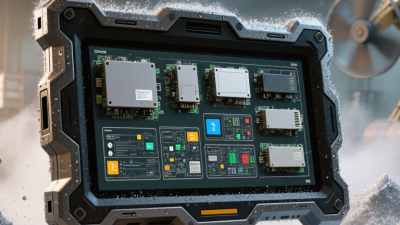
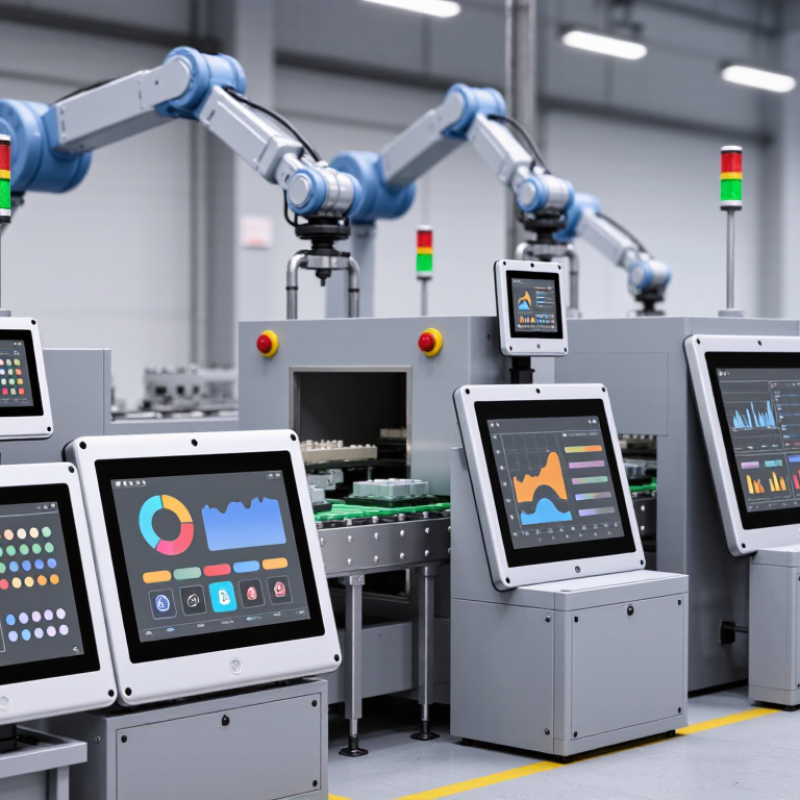
An industrial panel PC combines a computer and a display in one enclosure. It is designed for installation near machinery, production lines, or operator stations. Unlike a standard office computer, it may use a sealed front panel, a touch interface, and components rated for wider temperature ranges. The exact level of protection varies, so check the specifications against the actual environment.

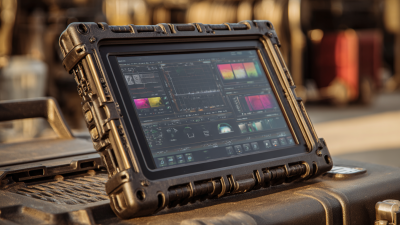
Core features often include a bright screen, fanless cooling, multiple connection ports, and support for mounting in a cabinet or on an arm. Some models offer resistive touchscreens, which can respond to gloved hands. Others use projected capacitive touch for a familiar, responsive feel. These systems commonly support machine monitoring, process control, packaging lines, warehouse terminals, and inspection stations. They can reduce separate equipment, but they still need suitable software and careful integration. Specifications can look reassuring on paper; cable routing and heat buildup may be less obvious until installation.

Tips: Check screen readability under site lighting, required ports, mounting dimensions, and operating temperature. Test touch response with the gloves operators actually wear. A small pilot can reveal practical issues before wider deployment.

Key Criteria for Evaluating Industrial Panel PC Manufacturers

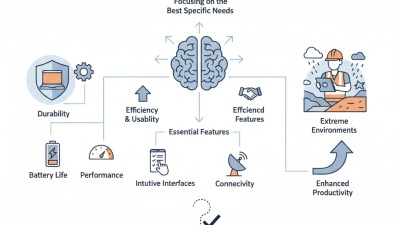
Choosing an industrial panel PC manufacturer takes more than comparing screen sizes and processor names. Start with the operating conditions: cabinet temperature, vibration, dust, moisture, and available space. A unit beside a washdown line needs different protection from one mounted in a climate-controlled control room. Ask for the stated operating temperature range and ingress rating, then check how those claims were tested. Details matter. A glossy specification sheet cannot show whether a touchscreen remains usable with work gloves or under bright factory lighting.

Review component selection, service life, and support practices together. Ask how long the manufacturer expects key parts to remain available, and whether storage, memory, or display components can be replaced without changing the entire system. Request documentation for interface compatibility, including serial ports, Ethernet, and any required field connections. If possible, test a sample with your software and mounting arrangement before placing a large order. That step can reveal awkward cable access or reflections that a datasheet misses. No checklist is perfect. Even experienced buyers can overlook a small installation detail. Clear warranty terms, repair procedures, and response times help reduce that risk. Compare answers in writing, not only during sales calls, and note where evidence is missing.

Leading Industrial Panel PC Manufacturers and Their Product Specialties

Industrial panel PC manufacturers often specialize in different operating conditions rather than serving every application equally. Some focus on fanless systems for dusty production floors, using sealed enclosures and solid-state storage to reduce routine maintenance. Others build high-performance computers for machine vision, where multiple cameras and demanding software require stronger processors and flexible expansion slots. Check the stated operating-temperature range, ingress-protection rating, and mounting method against the actual installation. A rating alone does not guarantee suitability.

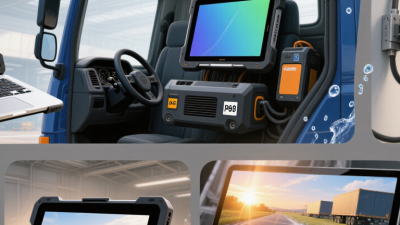
Touchscreen-focused makers emphasize readable displays, responsive controls, and glove-friendly operation. In a bright workshop, sunlight readability and anti-glare treatment can matter more than a larger screen. Modular specialists may offer replaceable storage, configurable ports, or different display sizes, which helps integrators adapt a unit to existing equipment. That flexibility can add cost. Some manufacturers also concentrate on compact computers for tight control cabinets, where heat dissipation and cable access need careful review. Ask for details on lifecycle support, spare-part availability, and tested compatibility with your operating system and peripherals. A product sheet may leave practical questions unanswered. Request interface drawings and confirm how the unit handles vibration before approving a production-line installation.

Comparing Manufacturers by Reliability, Customization, and Global Support

For global buyers, a panel PC’s reliability is more than a rugged enclosure. Ask how each manufacturer tests units for vibration, heat, and continuous operation. Look for clear temperature ratings, replaceable storage, and documented burn-in procedures. A useful comparison includes failure data and warranty terms, not just claims of long service life. Small details matter. For example, a sealed front panel may suit a washdown area, while a fanless design can reduce dust-related maintenance.

Customization varies widely. One manufacturer may adjust screen brightness, mounting holes, or port placement without changing the core design. Another may require a larger order for even modest changes. Request a written configuration, including the processor, memory, operating system, and connector layout. Then check whether the customized unit will remain available for future replacements. It can be awkward when a small revision makes spare units incompatible.

Global support deserves equal scrutiny. Confirm where technical staff and replacement parts are located, and ask about response times across time zones. Manuals, diagnostic steps, and firmware records should be clear enough for local technicians to use. A polished support promise is not the same as proven service. Buyers should also consider that no supplier can remove every delay: shipping routes, component shortages, and unclear fault reports can still slow repairs.

How Global Buyers Can Select and Source the Right Manufacturer

Global buyers should assess an industrial panel PC manufacturer against the actual installation, not just a product catalogue. Screen size, sunlight readability, touch response, operating temperature, and ingress protection all affect performance on a factory floor. Check whether the supplier can provide test records for vibration, thermal cycling, and continuous operation. Ask how long the processor, display, and touch components will remain available. A low unit price can become costly when a matching replacement is unavailable.

Demand for reliable factory equipment has a clear industrial backdrop. The International Federation of Robotics reported 553,052 industrial robots installed worldwide in 2022, a 5% increase from 2021, in its World Robotics 2023 report. That growth makes lifecycle support and integration capability practical sourcing concerns, not minor extras. Request interface details, including serial, Ethernet, USB, and fieldbus options, and confirm compatibility with the buyer’s software and enclosure. Get it in writing.

Supplier comparisons can get messy. A polished datasheet may not show how a unit behaves beside a hot motor or under frequent washdowns. Ask for sample units or test evidence, clarify warranty exclusions, and compare lead times for both initial orders and spare parts. Also review communication across time zones and escalation procedures. A manufacturer’s response to a specific technical question can reveal more than a broad promise of “customization.” I would still leave room for judgment: factory conditions vary, and no single checklist replaces a site-specific trial.