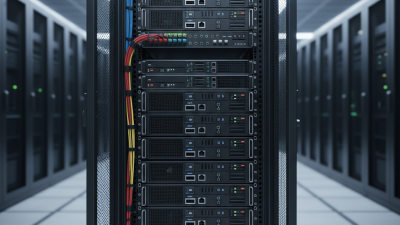
What is a Rack Mount Computer and How Does it Work?
Rack mount computers are essential in many data centers and server rooms. They save space and offer easy maintenance. According to a report by MarketsandMarkets, the global rack mount server market is expected to reach $20 billion by 2025, reflecting significant growth in cloud computing and data storage needs.
Industry expert Dr. Ava Mitchell states, “The efficiency of rack mount computers allows businesses to streamline operations while maximizing performance.” This highlights why many companies opt for these systems. They enable optimal airflow, cooling, and cable management, crucial for technology that runs 24/7.
However, choosing the right rack mount computer can be challenging. Factors such as size, power consumption, and compatibility with existing systems should be considered. The diversity in designs can make it confusing. Companies must strike a balance between performance and cost. As technology evolves, keeping pace with updates and innovations is vital for maintaining a competitive edge.
What is a Rack Mount Computer?
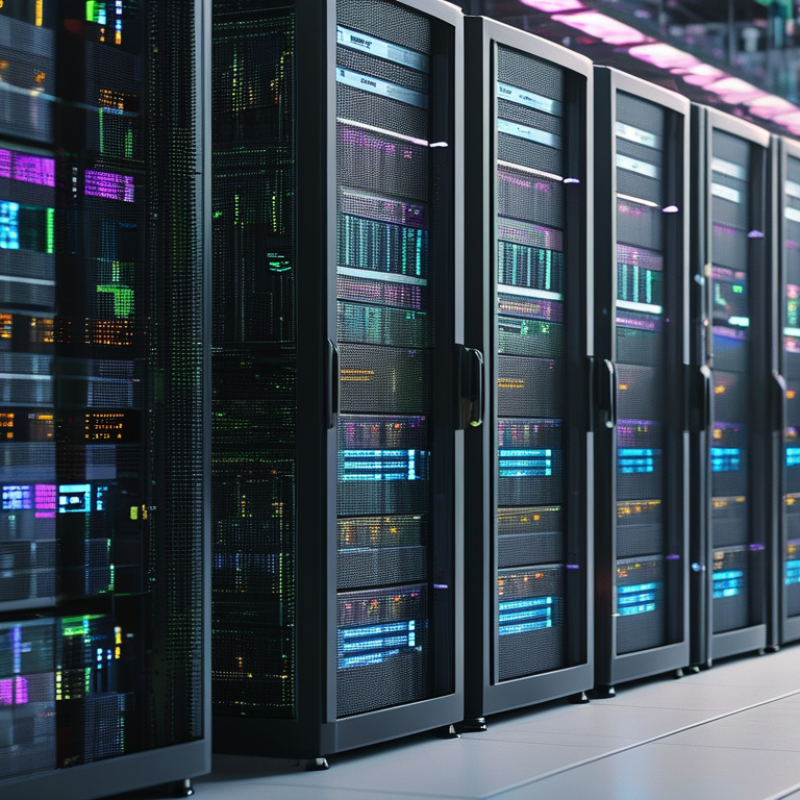
A rack mount computer is a type of computer designed specifically for mounting in a standardized frame or rack. This format is prevalent in data centers and IT environments, where space efficiency and organization are critical. According to a recent industry report, the global market for rack mount servers is expected to grow at a CAGR of 6.5% through 2028. This growth is driven by the increasing demand for high-density computing solutions.
The design of rack mount computers allows for easy access and maintenance. These systems often come in 1U, 2U, or 4U sizes, referring to the height they occupy in the rack. A 1U computer typically stands about 1.75 inches tall, making it compact yet powerful. The key advantage lies in their ability to maximize space while offering scalable performance. However, heat dissipation can be a challenge in densely packed racks, needing careful planning.
Despite the benefits, there are considerations to keep in mind. Investing in rack mount computers may require a higher upfront cost than traditional systems. Moreover, improper configuration can lead to inefficiencies or downtime. As the need for reliable computing continues to rise, organizations must evaluate whether these systems align with their operational needs and growth strategies.
Key Features and Components of Rack Mount Computers
Rack mount computers are essential for efficient data processing in server rooms. These machines are designed to fit into standardized racks, optimizing space and cooling. The typical rack unit (U) is 1.75 inches high, allowing multiple units to be stacked. This design supports high-density configurations, crucial for data centers handling large volumes of information.
Key components of rack mount computers include a processor, memory, storage, and networking interfaces. A powerful CPU ensures quick data processing. According to industry reports, a server with at least 32GB of RAM is recommended for basic business applications. Additionally, solid-state drives (SSDs) are increasingly preferred over traditional hard drives for faster read/write speeds and increased durability.
Tip: Always assess your cooling needs. Rack mount computers generate significant heat, so ensure adequate airflow.
Networking is also vital. Rack mount computers usually feature multiple network interface cards (NICs) for redundancy and speed. Using multiple NICs can add resilience to your network. As workloads increase, scalability becomes critical. A robust design allows easy upgrades, ensuring longevity in a rapidly evolving tech landscape.
Tip: Regularly review system performance metrics. This can reveal inefficiencies or areas needing improvement.
How Rack Mount Computers Are Installed in Data Centers
Rack mount computers are essential in modern data centers. Installing them properly is crucial for efficiency and reliability. The installation process generally begins with selecting the right rack. Ensure the rack has adequate space, ventilation, and power supply. Also, consider cable management options. A cluttered setup can lead to overheating and maintenance issues.
Before installation, check the weight capacity of the rack. Overloading can cause equipment failure. Secure the rack to the floor to prevent tipping, especially in earthquake-prone areas. Utilize rails or sliding trays for easy access to equipment. Remember, accessibility is critical for maintenance.
Tip: Label cables clearly. This makes troubleshooting much easier. Even a small error can lead to significant downtime. Regularly check hardware status to prevent unexpected failures. It is essential to keep up with any advancements in technology to optimize performance. An outdated setup can hinder your data center’s efficiency.
Understanding the Functionality of Rack Mount Computers
Rack mount computers are designed for optimal performance in data centers. These systems are commonly used in business environments due to their energy efficiency and space-saving design. Data from recent industry reports indicate that around 70% of businesses have adopted rack mount solutions for their critical computing needs. Their compact nature allows for high-density configurations, making efficient use of valuable physical space.
Functionality is key to understanding rack mount computers. They typically house multiple servers in a single rack, allowing for easier management and maintenance. This design can improve cooling efficiency. According to a survey by the International Data Corporation, businesses report up to a 40% reduction in cooling costs with rack mount setups. However, there are challenges. Proper cabling can be cumbersome, and equipment may require frequent monitoring to prevent overheating.
The modular design of rack mount systems allows for scalability. Businesses can add and replace components without significant downtime. But this flexibility comes with its own set of complexities. Ensuring compatibility between components can be a daunting task. Often, improper planning leads to inefficiencies and increased operational costs. Understanding these nuances is essential for any organization looking to implement rack mount technology effectively.
Benefits of Using Rack Mount Computers in Various Industries
Rack mount computers are increasingly favored across various industries due to their
efficient use of space
and improved performance. These systems fit neatly into standardized racks, making them highly suitable for
data centers and server rooms. This compact design can maximize floor space, allowing businesses to house
more servers without increasing the physical footprint. Additionally, the centralized management of
rack-mounted units simplifies maintenance and upgrades.
Benefits extend beyond space-saving. Rack mount computers generally offer better cooling solutions,
which is critical for high-performance operations. The architecture allows for effective airflow, ensuring
that components remain at optimal temperatures. This is especially important in sectors like
finance and healthcare,
where downtime can lead to significant data loss and financial penalties. The ability to scale systems easily
enables businesses to adapt to their growing needs.
However, there are challenges to consider. Installation can be complex, requiring specialized skills for
optimal setup. Moreover, not all businesses may benefit from such systems. Smaller companies might find
traditional desktops more manageable. Ultimately,
understanding individual needs is crucial when deciding on rack mount solutions. This reflection can help
organizations make informed choices that align with their operational goals.