Top Tips for Choosing the Right Industrial Portable Computer
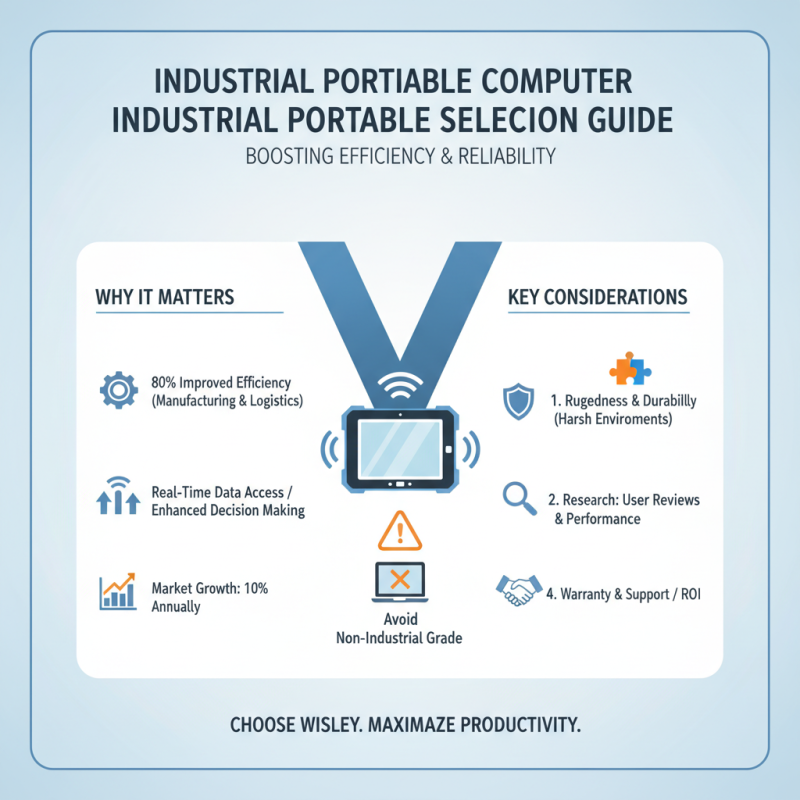
Choosing the right industrial portable computer is crucial for various industries, including manufacturing and logistics. According to recent studies, 80% of companies have reported improved efficiency with mobile solutions. An industrial portable computer allows for real-time data access, enhancing decision-making processes on the go.
The market for industrial portable computers is projected to grow by 10% annually. This growth reflects the increasing demand for rugged, reliable technology that can operate in harsh environments. Companies need to prioritize reliability and adaptability when selecting these essential tools.
However, not all portable computers meet industrial standards. Some may fall short in durability or performance. It's important to invest time in research and evaluation. Assessing user reviews, compatibility, and warranty options can guide better decisions. A careful approach can maximize the return on investment in these advanced devices.
Understanding the Purpose and Use Cases of Industrial Portable Computers
Industrial portable computers serve a crucial role in various sectors. Understanding their purpose can guide effective deployment. These devices excel in field operations, where ruggedness and mobility are essential. For instance, a study by MarketsandMarkets states that the industrial PC market is projected to grow at a CAGR of 5.1% from 2021 to 2026. This indicates increasing demand for mobile solutions in industries from manufacturing to logistics.
Use cases vary widely. In manufacturing, these computers streamline processes through real-time data reporting. For logistics, they facilitate inventory management and tracking. In healthcare, they support patient monitoring, enhancing operational efficiency. Such versatility underlines their importance in daily operations. However, many organizations still overlook their unique needs. The wrong choice can lead to inadequate performance or increased downtime.
To address these challenges, it’s vital to assess the intended environment. Factors like temperature, dust, and moisture levels significantly impact performance. Research by VDC Research highlights that 45% of companies face productivity losses due to equipment failures. Each use case may present unique obstacles requiring thoughtful consideration. Understanding the specific demands of your industry will ultimately lead to better decisions.
Top Tips for Choosing the Right Industrial Portable Computer
| Feature |
Importance |
Use Cases |
Recommended Specs |
| Durability |
High |
Manufacturing, Field Work |
IP65, MIL-STD-810G |
| Battery Life |
Medium |
Long-Distance Work, Remote Locations |
8-12 hours |
| Weight |
Medium |
Transport, Portability |
Under 5 lbs |
| Screen Size and Quality |
High |
Data Analysis, Reports |
10-15 inches, Full HD |
| Connectivity Options |
High |
Networking, IoT Applications |
Wi-Fi, Bluetooth, Ethernet |
| Operating System |
Medium |
Compatibility with Software |
Windows, Linux |
Key Features to Consider When Selecting an Industrial Portable Computer
Choosing an industrial portable computer is not as straightforward as it seems. Several key features must be considered to ensure the device meets your unique business needs. Durability is vital. Look for models that withstand harsh environments, including extreme temperatures and dust exposure. Materials like ruggedized cases can improve lifespan and reliability.
Battery life is another critical aspect. A long-lasting battery enables seamless operations in remote locations. Aim for devices that offer at least eight hours of use on a single charge. Portability is equally essential. Weighing and sizing factors can impact mobility on the job site. Check the weight and dimensions to find a computer that balances power and convenience.
Display quality matters too. Anti-glare screens are crucial for outdoor visibility. Consider the screen size for usability. Touch functionality can enhance efficiency in active settings. Lastly, ensure the system can support software required for your operations. Inconsistent software compatibility can lead to frustrations and downtime. Each feature contributes to better performance, but there isn’t a perfect computer for all situations. Balancing these needs will require careful evaluation.
Top Tips for Choosing the Right Industrial Portable Computer
Evaluating Performance Specifications for Optimal Efficiency
When evaluating performance specifications for industrial portable computers, focus on key aspects that matter in your work environment. Look for processing speed, memory capacity, and battery life. A high-speed processor ensures that tasks are completed quickly. However, keep in mind that too much speed without adequate memory can lead to strain on the system. Balancing these elements is critical.
Think about the operating environment. Will the computer be used in extreme temperatures or dusty conditions? This influences durability and reliability. Check the Ingress Protection (IP) rating and ensure it meets your needs. Sometimes the more rugged options may limit performance, so you need to weigh factors like longevity against efficiency.
Consider user experience as well. Evaluate how the computer feels in practical use. Is the screen clear in sunlight? Is the keyboard responsive? While specifications matter, the actual usability can impact your productivity. Reflect on these aspects and remember that the best choice isn’t always the most powerful. Sometimes, finding a balance that suits your specific tasks is key.
Assessing Durability and Environmental Resistance Standards
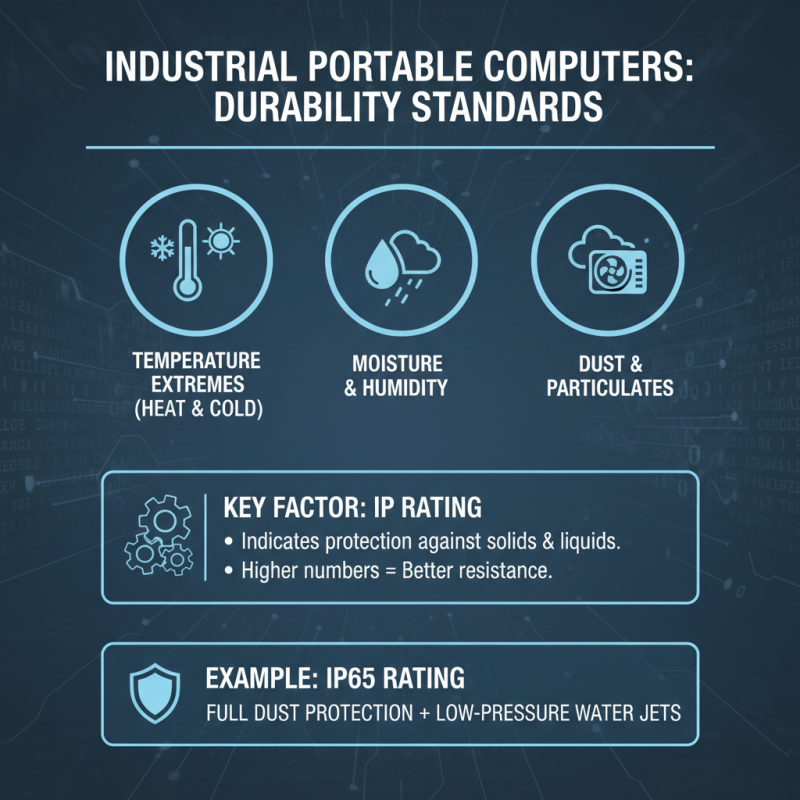
When choosing an industrial portable computer, assessing durability is crucial. The device will often face harsh environments. Factors like heat, cold, moisture, and dust can impact performance. Look for those with high IP ratings, as they indicate better protection against elements. For instance, an IP65 rating suggests full dust ingress protection and resistance to low-pressure water jets.
Environmental resistance standards are just as important. Many industrial computers operate in extreme temperatures. If the device cannot handle these changes, it will fail sooner. Some products boast operational temps from -20°C to 60°C. It’s essential to evaluate these specs based on your specific work conditions.
It’s tempting to prioritize features like speed and storage. Yet, neglecting durability can lead to regret. A fragile computer can incur costly repairs and downtime. Consider the long-term impact of choosing a robust, reliable unit over one with just flashy specs. Durability and environmental resistance should guide your purchasing decision.
Budgeting and Cost Analysis for Industrial Portable Computer Selection
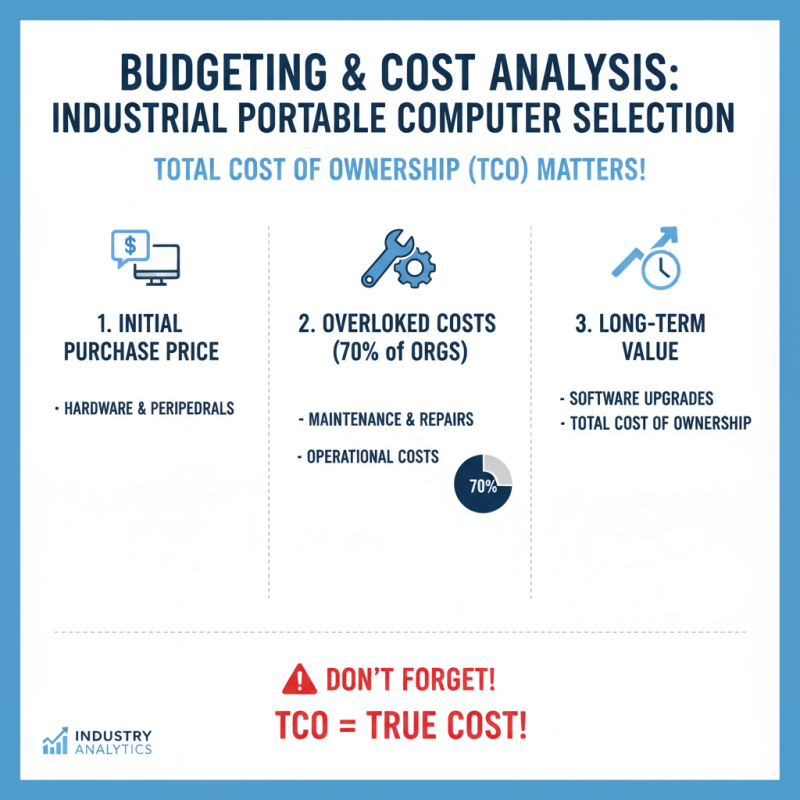
When selecting an industrial portable computer, budgeting plays a crucial role. Many companies overlook the total cost of ownership (TCO). According to a recent industry report, 70% of organizations fail to consider maintenance and operational costs, which can significantly impact long-term budgets. An effective analysis should include initial purchase price, anticipated repairs, and software upgrades.
Prioritizing functionality while staying within budget is essential. A study indicated that 65% of businesses succumb to purchasing devices that lack necessary specifications, leading to frequent replacements and unplanned expenses. Choosing a computer that meets current needs without excessive over-specification can prevent these issues.
Flexibility in budgeting can also enhance decision-making. Allocating funds for unforeseen expenses creates a more robust financial strategy. Many companies find that investing slightly more upfront in durable equipment results in lower expenses over time. The data suggests that businesses achieving effective budgets optimize their overall performance while minimizing risks and inefficiencies. Decision-makers must continuously reassess their needs, ensuring that financial goals align with long-term operational strategy.