Top 5 Tips for Choosing the Best Solar Ev Charger?
Choosing the right Solar Ev Charger can greatly enhance your electric vehicle experience. With the growing reliance on renewable energy, making an informed choice is essential. Solar EV Chargers offer eco-friendly solutions, but not all chargers are created equal. The efficiency, design, and compatibility vary widely among products.
When selecting a Solar EV Charger, consider not just the brand but its performance in real-world conditions. Some chargers may look great on paper yet fail to deliver when needed. Look for user reviews that provide insight into reliability and efficiency. Ideally, seek chargers that have stood the test of time and maintained customer satisfaction.
Remember, a good Solar EV Charger should be both practical and cost-effective. It's easy to get dazzled by features that sound appealing. However, focusing solely on the latest technology might lead to oversight of crucial elements like power output and installation ease. Your decision impacts long-term savings and the overall sustainability of your electric vehicle.
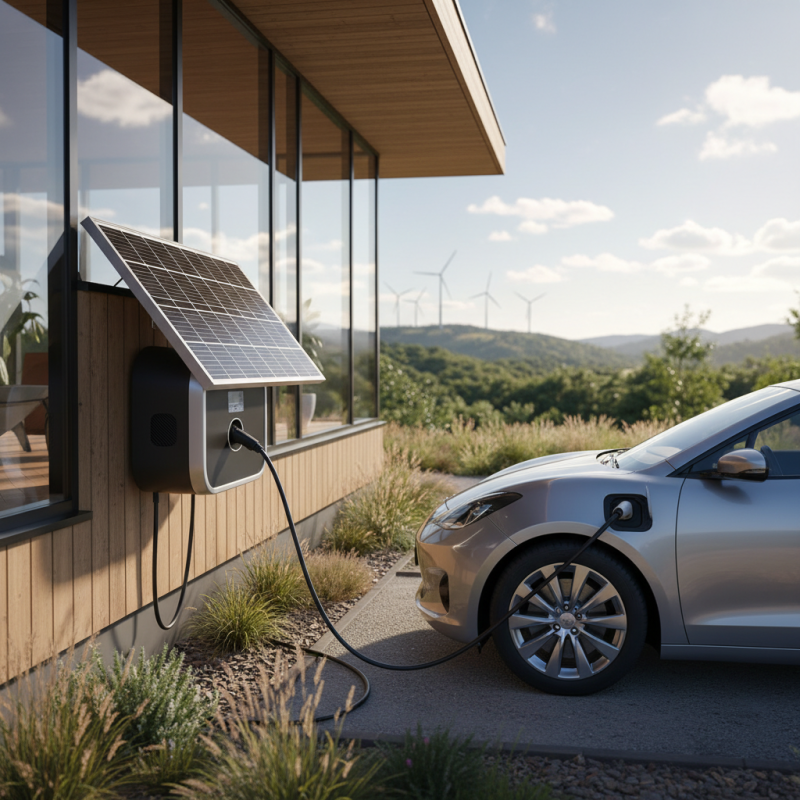
Understanding the Basics of Solar Ev Chargers
When exploring solar EV chargers, understanding their basics is essential. Solar EV chargers harness sunlight to convert into electricity, enabling users to charge electric vehicles sustainably. According to a report by the International Energy Agency, solar energy could account for over 22% of the world's electricity generation by 2040. This shift has increased interest in solar EV technologies.
For those new to solar EV chargers, consider several factors. Look for a charger with a good efficiency rate. Many models operate at around 40-60% efficiency. This means they can convert a significant portion of solar energy into usable electricity. Assess the installation requirements. Some systems require more space or specific mounting solutions.
Battery storage capacity is another aspect to keep in mind. Properly sized batteries ensure you can store energy for use during cloudy days or at night. Also, think about the charger’s compatibility with your vehicle. Not all chargers work seamlessly with every EV.
Lastly, invest in a solar EV charger that supports future expansion. As technology advances, having a system that can adapt to new energy solutions is beneficial. Frequent evaluation and adaptation will enhance your overall experience and reliability in the changing renewable energy landscape.
Evaluating Solar Panel Efficiency and Wattage
When choosing a solar EV charger, assessing solar panel efficiency and wattage is crucial. Solar panel efficiency indicates how effectively the panels convert sunlight into electricity. Research by the National Renewable Energy Laboratory shows that high-efficiency panels can achieve over 23% efficiency. In contrast, typical panels range from 15% to 20%. This difference significantly affects charging times and overall energy output.
Wattage also plays a vital role. Higher wattage panels can produce more energy under the same conditions. For instance, a 300-watt solar panel generates more energy than a 250-watt model. However, factors like weather and location can impact performance. According to recent data, optimal solar conditions can increase energy production by up to 25%. Buyers should consider both efficiency and wattage to ensure reliable energy supply for their electric vehicles.
Balancing these factors allows for better decision-making. Nonetheless, it can be overwhelming. Not every residential setting can accommodate high-wattage panels due to space and shading issues. Evaluating one's specific environment is essential. Additionally, potential buyers should also consider future energy needs as they grow. A thoughtful approach ensures the chosen solar EV charger meets both current and future requirements.
Top 5 Tips for Choosing the Best Solar Ev Charger
| Tip No. | Tip Description | Solar Panel Efficiency (%) | Wattage (W) | Ideal Usage |
| 1 | Check solar panel efficiency ratings to ensure maximum power generation. | 20% | 100W | Excellent for small electric vehicles. |
| 2 | Evaluate the wattage output to match your charging needs. | 18% | 150W | Ideal for medium electric vehicles. |
| 3 | Consider portability for travel and emergencies. | 15% | 60W | Great for camping and road trips. |
| 4 | Assess build quality and durability for long-term use. | 22% | 200W | Best for everyday vehicular charging. |
| 5 | Look for added features like USB ports for mobile devices. | 19% | 120W | Versatile for supplemental charging needs. |
Assessing Battery Capacity and Charging Speed
When selecting a solar EV charger, assessing battery capacity and charging speed is crucial. Battery capacity influences how much energy can be stored and used. Reported average capacities range from 20 kWh to 60 kWh for many home systems. Higher capacity chargers often allow for longer driving ranges. However, with increased capacity, weight and installation complexity may also rise.
Charging speed is equally vital. Fast chargers can deliver energy significantly quicker than standard ones. For instance, a level 3 charger can provide up to 350 kW, allowing for rapid recharging in about 20-30 minutes. In contrast, slower level 1 chargers may take over 12 hours for a full recharge. Depending on driving habits, the right speed can vary greatly. It’s essential to consider personal requirements.
Potential users should also reflect on their locality. Regional sunlight availability directly impacts solar panel efficiency. In areas with less sunlight, even a high-capacity charger may perform suboptimally. This calls for a careful evaluation of geographical factors and real-world performance data before making a decision. Adopting a methodical approach will help in selecting the most suitable solar EV charger for one’s specific needs.
Charging Speed and Battery Capacity of Solar EV Chargers
Considering Compatibility with Your Electric Vehicle
When selecting a solar EV charger, compatibility with your electric vehicle is paramount. Not all chargers are built the same. Different EV models have unique charging requirements and connectors. According to the U.S. Department of Energy, over 80% of electric vehicles on the road are compatible with Level 2 charging. However, some models might require specific connectors or software integration.
Understanding your vehicle's specifications is critical. For example, some EVs support fast charging while others may not. A poorly matched charger could result in slower charging times or, worse, damage to your vehicle’s battery. The Electric Power Research Institute (EPRI) reports that mismatched charging can lead to a 25% decrease in charging efficiency. Checking compatibility ensures a smooth charging experience and protects your investment in the vehicle’s technology.
Be aware that many EV manufacturers also recommend specific charging solutions. Sometimes, these recommendations are based on extensive testing. Ignoring this can lead to costly mistakes. It's essential to do thorough research before making a purchase. Explore user reviews and consult trusted sources to gain insights into which chargers perform best with your specific model. This can save time and money in the long run.
Reviewing Durability and Weather Resistance Features
When selecting a solar EV charger, it’s essential to evaluate durability and weather resistance. Look for materials that can withstand harsh elements. Many chargers are exposed to rain, snow, or extreme sunlight. A robust casing can protect internal components. Waterproof ratings, like IP65 or higher, indicate a good resistance to water.
Temperature fluctuations can be challenging for electronics. Check if the charger can operate in a wide temperature range. Some models may fail in extreme cold or heat. Additionally, UV resistance helps prevent degradation from sun exposure. Chargers with reinforced cables can prevent wear and tear.
It’s worth noting that not all solar chargers perform equally. Reviews often reveal weaknesses in weather-resistant features. Some may not be as durable as advertised. User experiences can identify common issues, like malfunction in heavy rain. Always read up on customer feedback and test reports before making a decision.


