

Study Furniture is more than a desk and chair. It shapes how comfortably students read, write, and use screens each day. The Common Sense Census: Media Use by Tweens and Teens (2021) reported that U.S. teens spent an average of 8 hours and 39 minutes daily using screen media for entertainment, excluding schoolwork. That figure does not measure study time or furniture quality. It does, however, highlight why a supportive study setup deserves attention.
Ergonomics guidance offers practical criteria. OSHA’s Computer Workstations eTool recommends keeping the monitor at or below eye level, supporting the feet, and leaving enough room to move the legs. A chair that adjusts to a student’s height can help meet those needs. So can a desk with a clear writing area and space for a laptop, books, and a lamp. Small details matter. A wobbly tabletop or a seat that presses against the backs of the knees can quickly make a study session uncomfortable.
The best choices depend on the student, available space, and daily routine. A compact desk may suit a shared bedroom, while adjustable furniture can adapt as a student grows. Yet no single setup guarantees better grades or perfect posture. Evidence about furniture alone is limited, and real rooms are rarely ideal. This guide compares useful Study Furniture options through comfort, adjustability, durability, and value, so students and families can make more informed choices.
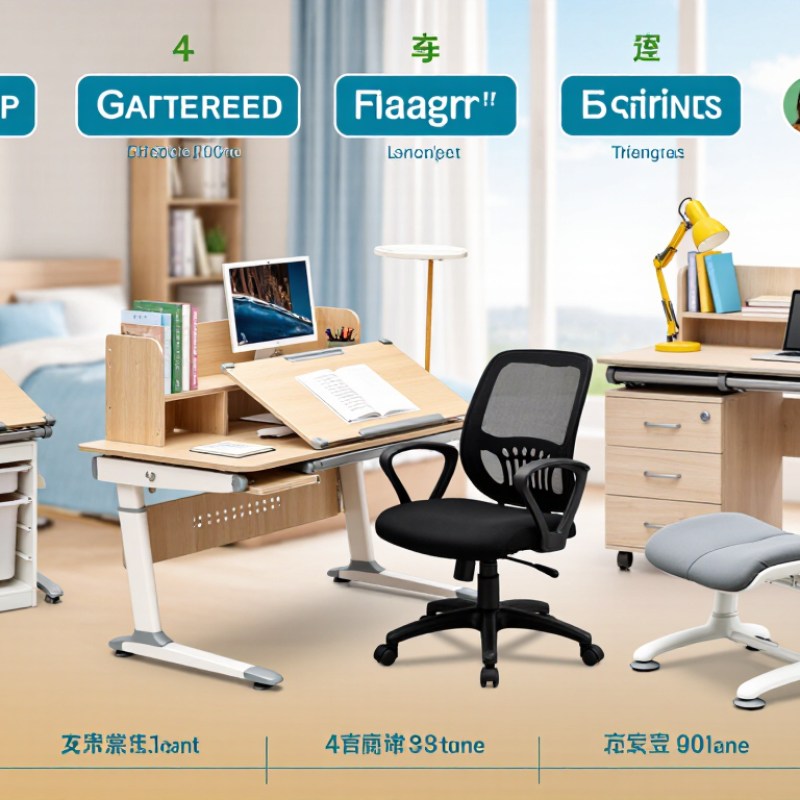
Choosing study furniture starts with the student’s body, not the room’s appearance. A desk should let forearms rest comfortably while shoulders stay relaxed. Measure the student sitting down, then check the desk height and legroom. A chair with adjustable height can help feet rest flat or on a stable footrest. Small details matter.
Room size shapes the choice, too. Measure the floor area, doorways, and space needed to pull the chair back. A compact desk may fit neatly but leave little room for books, a laptop, and a notebook. Keep frequently used items within easy reach. In shared rooms, a desk with modest storage can reduce clutter without taking over the space. Still, drawers are not always useful if they block knees.
Durability and ease of care deserve attention. Smooth surfaces are simpler to wipe, while sturdy joints are less likely to wobble during writing. Avoid choosing only by appearance; a stylish chair can feel uncomfortable after twenty minutes. Comfort is personal, and children grow. Recheck the fit as their height and study habits change. A setup that works today may need adjustment next year.
A useful study desk should fit the student’s habits, room, and equipment—not just look spacious. For reading and handwritten notes, a compact desk with a clear central surface may be enough. A shallow drawer can hold pens and chargers without swallowing useful legroom. Students using a laptop plus textbooks need more depth, so the screen can sit farther back while books remain within reach. Measure the room first. A desk that blocks a wardrobe or window quickly becomes frustrating.
For long computer sessions, look for a stable surface and enough space to place the screen near eye level with a separate keyboard, if needed. An adjustable-height desk can help students alternate between sitting and standing, but it is not essential for everyone. A supportive chair and regular movement matter too. No single setup works perfectly. Even a well-chosen desk may feel cramped once a project spreads across it.
Tips: Measure the desk area, chair clearance, and door swing before buying. Check that drawers do not hit the student’s knees. Keep frequently used items close, and leave one small area clear for writing. Reassess the setup after a week; real study habits can differ from the plan.
An ergonomic chair can make long study sessions easier, but comfort depends on fit, not a feature list. Look for adjustable seat height so both feet can rest flat on the floor. Your knees should sit near hip level, without pressure behind them. A chair with adjustable back support can help your lower back stay supported as you read or type. Small adjustments matter. If the seat is too deep, you may slide forward to reach the desk. If it is too high, your feet may dangle.
Try sitting in the chair for several minutes before choosing it, if possible. Notice whether the seat edge presses against your legs and whether your shoulders stay relaxed. Breathable fabric can feel cooler during a warm afternoon, while a firm seat may support you better than a very soft one. Still, a chair cannot correct every study habit. Even a well-fitted chair feels uncomfortable after hours without movement. Stand, stretch, and change position between tasks. I sometimes think chair advice makes posture sound like a fixed pose; it is more useful to aim for supported, changing positions. A practical choice should fit your body, desk, and available space.
Storage furniture earns its place when it keeps daily study materials easy to reach. A narrow bookcase beside the desk can hold textbooks, notebooks, and reference guides without taking over the room. Keep frequently used books at eye level. Store heavier volumes on lower shelves to reduce the chance of a top-heavy unit tipping. Secure tall furniture according to its instructions, especially in shared or busy spaces.
A desk with drawers works well for pens, chargers, sticky notes, and other small supplies. Shallow drawers make items easier to find than one deep, crowded compartment. Add simple dividers, or reuse small containers you already have. A rolling cart can hold current assignments and move between a desk and a shared table. It can also collect clutter quickly. That part is easy to underestimate.
Choose storage that fits the room and the amount of work you actually do there. Measure the available floor space, including room to pull out drawers and open doors. A storage bench may suit a small room, but books can make it heavy to move. Open shelves offer quick access, while closed cabinets keep visual distractions out of sight. Neither choice is perfect. Reassess the setup after a few weeks; the supplies you reach for may not match your original plan.
| Furniture choice | Typical dimensions | Storage use | Main advantage | Best suited for |
|---|---|---|---|---|
| Bookcase | About 60–90 cm wide and 150–200 cm tall | Textbooks, binders, reference books, and labeled boxes | Keeps frequently used materials visible and easy to reach | Students with several courses’ worth of books and a dedicated study area |
| Desk with drawers | About 100–140 cm wide and 50–70 cm deep | Pens, notebooks, chargers, paper, and small study supplies | Combines a work surface with concealed storage close at hand | Students who want a tidy, all-in-one workstation |
| Rolling storage cart | About 35–50 cm wide and 60–90 cm tall | Notebooks, folders, stationery, and supplies used in different rooms | Easy to move and can fit beside or under many desks | Students in shared rooms or flexible study spaces |
| Under-desk drawer unit | About 30–45 cm wide and 45–60 cm tall | Stationery, small electronics, documents, and personal items | Uses otherwise empty floor space while keeping the desktop clear | Students with limited room who already have a desk |
| Storage ottoman or bench | About 60–100 cm wide and 35–45 cm tall | Spare notebooks, art materials, and less frequently used supplies | Provides concealed storage and an extra seat | Students who need multipurpose furniture in a small room |
| Wall-mounted shelves | Commonly 60–120 cm wide and 15–30 cm deep per shelf | Books, binders, small organizers, and display items | Adds vertical storage without taking up desk or floor space | Students with limited floor space and permission to mount shelves securely |
Typical dimensions are approximate and vary by design. Check the available room, shelf load limits, and desk clearance before choosing furniture.
Small study areas work better when every piece earns its place. A narrow desk, about 90 centimeters wide, can hold a laptop, notebook, and adjustable lamp without swallowing the room. Measure the wall and chair clearance before buying. Measure twice. A desk that fits on paper may block a drawer in real life. Keep frequently used items within arm’s reach.
Vertical storage can free the desktop. A wall shelf above the desk holds reference books, while a slim rolling cart can tuck beside a bed or wardrobe. Mount shelves securely and keep heavy items low. A fold-down desk is useful in shared rooms, but check its depth and locking support. It may feel cramped during long writing sessions. That trade-off matters.
Look for a chair that supports the lower back and lets both feet rest on the floor, or on a stable footrest. Adjustable height helps when the desk cannot be changed. Clear boxes under the bed can store supplies, though out-of-sight items are easy to forget. I would leave one small empty patch on the desk; it seems wasteful, yet makes switching between reading and writing less frustrating. Small spaces need flexibility, not more furniture.

