China Top Stainless Steel Water Tank Manufacturers?
Choosing reliable Ss Steel Water Tanks manufacturers in China requires more than comparing prices. The right supplier combines material knowledge, controlled welding, hygienic design, and consistent quality inspections. This guide examines leading manufacturers through practical criteria, including stainless steel grade, tank structure, production experience, certifications, customization, and after-sales support.
John M. Grubb, a technical specialist associated with the Nickel Institute, has stated, “Material selection must match the service environment, not simply the purchase price.” That principle matters when evaluating Ss Steel Water Tanks. Grade 304 stainless steel may suit many indoor water systems, while 316L can offer stronger resistance in coastal or chemically aggressive environments. A dependable factory should explain this difference clearly.
Look for manufacturers that provide weld-passivation records, dimensional drawings, leak-test reports, and traceable material certificates. A finished tank should have smooth internal corners, clean seams, and a stable support frame. Ask whether the factory tests panels before assembly. Ask how it protects the tank during transport. Small details often reveal larger habits.
China has many capable manufacturers, but quality is not uniform. Some suppliers present polished catalogs yet provide limited technical evidence. That is an uncomfortable point, but it deserves attention. A lower quotation may hide thinner panels, weaker accessories, or delayed replacement parts. Buyers should inspect the factory, review recent projects, and request references from comparable installations. This article introduces China’s top stainless steel water tank manufacturers and explains how to compare them with greater confidence.
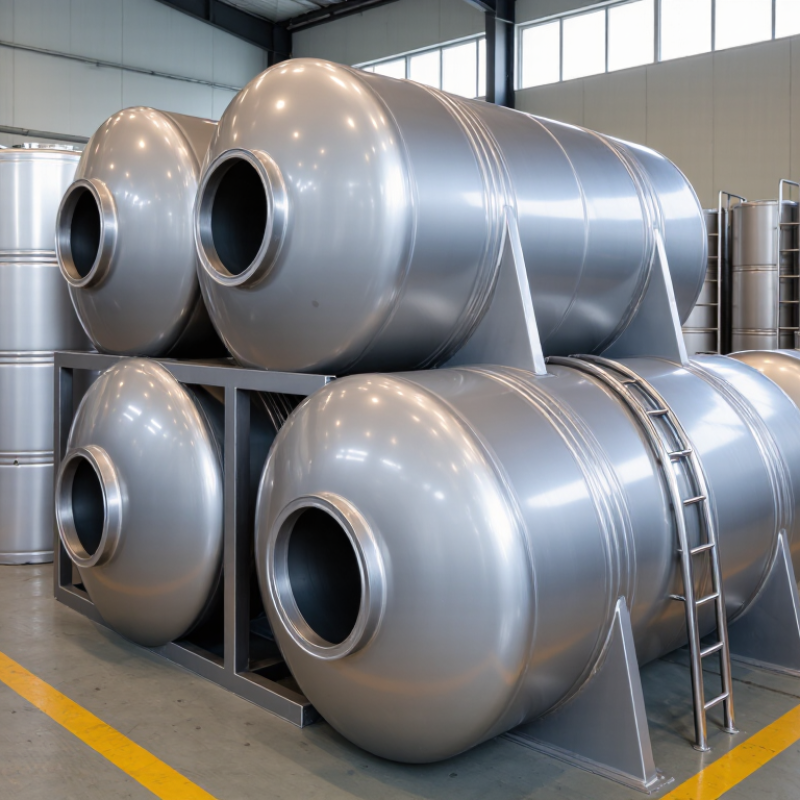
What Are Stainless Steel Water Tanks and Why Are They Used?
Stainless steel water tanks are enclosed vessels made from corrosion-resistant steel alloys. They store drinking water, process water, rainwater, or emergency supplies. Their smooth inner surfaces reduce dirt buildup and make cleaning more practical. Many tanks use welded or bolted panels, depending on capacity, location, and installation requirements.
These tanks are used because stainless steel tolerates moisture, temperature changes, and regular maintenance. Properly selected grades can resist rust in demanding environments. However, “stainless” does not mean maintenance-free. Chlorides, poor welding, and stagnant water may still cause surface damage. That detail is sometimes overlooked.
In practical installations, tank design should match water quality and local conditions. Engineers check wall thickness, internal pressure, roof loading, ventilation, access points, and drainage. Food-grade applications also require suitable materials and hygienic fabrication. A reliable manufacturer should provide material certificates, weld inspection records, leakage testing, and clear maintenance guidance. Ask for these documents.
Tank placement matters too. A shaded foundation can reduce heat gain and limit unwanted algae growth. Operators should inspect seals, valves, and internal surfaces at planned intervals. Even a well-built tank can fail when the foundation settles or fittings are forced during installation. I have found that small installation shortcuts often create larger repair costs later. The design may be excellent, but the site can still expose its weaknesses.
How to Evaluate China’s Stainless Steel Water Tank Manufacturers
How to Evaluate China’s Stainless Steel Water Tank Manufacturers
Demand for dependable storage is rising as water infrastructure expands. The WHO/UNICEF JMP 2023 report estimated that 2.2 billion people lacked safely managed drinking water in 2022. This makes tank hygiene more than a purchasing detail. Ask manufacturers for material certificates, welding procedures, and traceable production records. Stainless steel grades should match the water chemistry and intended use. A certificate without heat numbers is weak evidence.
Factory experience matters. Request photographs of laser cutting, orbital welding, passivation, and hydrostatic testing. Check whether technicians measure weld penetration and surface contamination. The International Stainless Steel Forum reported global crude stainless steel production of about 58.4 million tonnes in 2023. Large output does not automatically mean better tank fabrication. Specialization, inspection discipline, and documented quality controls matter more.
Audit the factory before comparing prices. Review ISO 9001 procedures, inspection reports, leakage-test records, and calibration dates. For drinking-water applications, ask whether materials meet applicable food-contact or potable-water requirements. Also verify panel thickness, reinforcement spacing, gasket composition, and installation tolerances. Very low quotations deserve careful questioning. They may reflect thinner panels or incomplete testing. I have seen specifications that looked excellent but lacked measurable acceptance criteria. That is a warning. Request a sample drawing and a signed quality plan before placing an order.
How to Evaluate China’s Stainless Steel Water Tank Manufacturers
Material verification is a key step when comparing stainless steel water tank manufacturers. The chart shows the chromium, nickel, and molybdenum composition ranges specified for common stainless steel grades under ASTM A240/A240M. Buyers should request heat numbers, mill test certificates, and third-party inspection records to confirm that the supplied tank material matches the declared grade.
Reference ranges: ASTM A240/A240M chemical composition requirements for Types 304 and 316. Actual project specifications may also require welding quality records, dimensional inspection, surface-finish verification, pressure or leak testing, and compliance with applicable potable water regulations.
Which Manufacturing Standards and Materials Should Buyers Check?
When comparing China’s stainless steel water tank manufacturers, buyers should verify standards before judging price or surface polish. The WHO and UNICEF Joint Monitoring Programme reported that 2.2 billion people lacked safely managed drinking water in 2022. Material safety therefore deserves direct evidence, not marketing language.
Ask for heat numbers, mill certificates, and full traceability for every sheet. ASTM A240/A240M or EN 10088 should confirm the stainless grade and chemical composition. Grade 304 is common for clean indoor water. Grade 316L may resist chloride pitting better, but it is not a universal solution. The water analysis still matters. Chloride levels, temperature, and cleaning chemicals can change the correct specification. Look beyond polish.
For potable applications, check compliance with NSF/ANSI/CAN 61 or the relevant national contact-water requirement. The standard should cover the tank materials, weld zones, gaskets, and coatings. Ask how the factory performs pickling, passivation, and final rinsing. ASTM A380 and ASTM A967 provide useful references for stainless cleaning and passivation. Welding should have documented procedures, visual inspection, and leak testing. ISO 3834 can support welding-quality control, while ISO 9001 certification indicates a management system, not automatic product quality. The ISO Survey 2023 recorded more than 1.26 million ISO 9001 certificates worldwide, so a certificate alone proves little. I would also request dimensional records, hydrostatic or vacuum test results, and photographs from an actual production batch. That step is sometimes missed.
How Do Custom Design, Production, and Quality Control Work?
Custom design begins with the water, site, and operating rhythm, not a standard catalogue drawing. The WHO and UNICEF Joint Monitoring Programme reported that 2.2 billion people lacked safely managed drinking water in 2022. This pressure makes hygienic storage more important. Engineers should confirm capacity, turnover, temperature, seismic loads, wind exposure, and maintenance access. Stainless steel grade selection also matters. Grade 304 suits many general applications, while 316L offers stronger resistance in chloride-rich environments. The wrong choice can be expensive.
Production should follow controlled drawings and documented welding procedures. Plates are cut, formed, welded, cleaned, and passivated under traceable conditions. Internal corners need smooth finishing, because rough weld areas can retain sediment and support biofilm. According to the World Stainless Association, global stainless steel crude production reached approximately 58 million tonnes in 2023. That scale does not guarantee tank quality. Material certificates, positive material identification, weld inspections, and dimensional checks still require discipline.
Quality control continues after assembly. A reliable factory performs hydrostatic or leak testing, checks nozzle alignment, verifies wall thickness, and records every correction. ISO 9001-based procedures can improve traceability, but paperwork alone is not proof. Factory audits sometimes find polished surfaces hiding incomplete weld penetration. That deserves attention. I would also request photographs, test records, and a clear inspection plan before shipment. Small omissions, such as an inaccessible drain or poorly positioned manway, may create larger maintenance problems later.
What Should You Know About Pricing, Delivery, and After-Sales Support?
China Top Stainless Steel Water Tank Manufacturers
When comparing stainless steel water tank manufacturers in China, pricing should never stand alone. A low quotation may exclude insulation, internal supports, valves, testing, or export packaging. Ask for a detailed bill of materials. Confirm the steel grade, plate thickness, welding method, and surface finish. For drinking-water projects, request material certificates and hygiene-related test reports. The cheapest option can become expensive after installation.
Delivery depends on tank capacity, panel size, customization, and production scheduling. Standard modular tanks may ship faster than fully welded units. Ask whether the quoted lead time includes fabrication, inspection, packing, and port handling. Request clear shipping terms and photos before loading. Check crate protection carefully. Thin wrapping is not enough for long sea transport. Delays happen, even with good planning.
After-sales support deserves equal attention. A reliable supplier should provide installation drawings, assembly instructions, maintenance guidance, and accessible technical communication. Clarify warranty coverage for leakage, welding defects, coatings, and replacement parts. Ask how quickly technical questions receive a response. Some suppliers promise support but provide vague answers later. That is a warning sign. Keep all specifications in the contract, including inspection procedures and responsibilities. One practical mistake is choosing a manufacturer from price alone; a tank that arrives late or lacks usable support can disrupt an entire water project.


