Top Rack Mount Computers of 2025 for Optimal Performance and Efficiency
As the demand for high-performance computing continues to surge, particularly in data centers and enterprise environments, the significance of rack mount computers has reached unprecedented levels. According to a recent report from IDC, the global market for rack-mounted servers is expected to grow at a compound annual growth rate (CAGR) of 8.5% from 2023 to 2028, driven by the rising need for scalable infrastructure to support cloud computing, AI applications, and big data analytics. This trend underscores the necessity for organizations to invest in advanced rack mount computers that not only enhance operational efficiency but also deliver optimal performance.
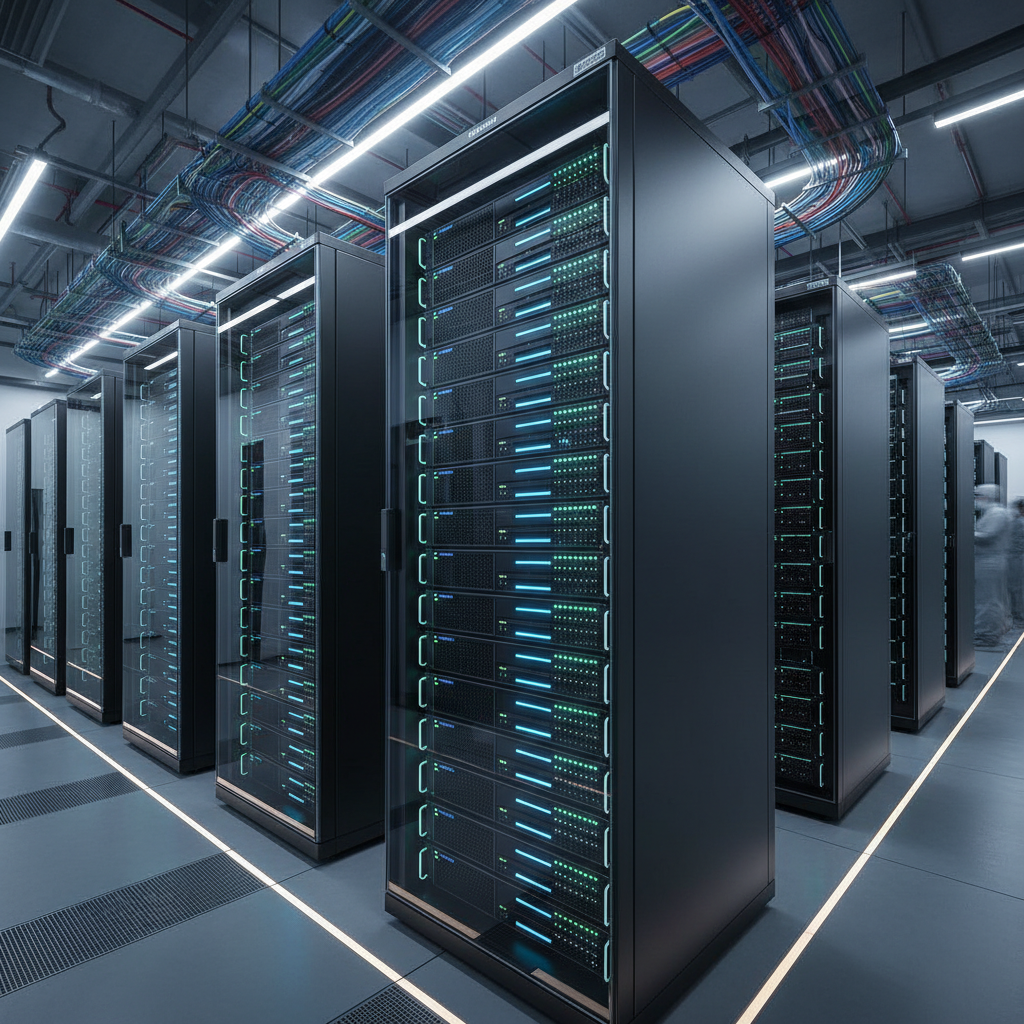
In 2025, businesses will increasingly rely on top-of-the-line rack mount computers to tackle complex computing workloads and meet stringent performance benchmarks. The integration of high-efficiency components and innovative cooling technologies will be crucial as organizations seek to optimize their IT resources while minimizing energy consumption. Industry experts predict that by 2025, energy-efficient rack mount systems could reduce power usage by up to 30%, significantly lowering operational costs and environmental impact. This article explores the top ten rack mount computers available in 2025, highlighting their features, performance capabilities, and how they align with evolving industry standards to support future-ready IT environments.
Top Trends in Rack Mount Computer Design for 2025
As we approach 2025, the landscape of rack mount computer design is set to undergo significant transformations, driven by advancements in technology and shifting user demands. One of the most notable trends is the integration of AI and machine learning capabilities directly into rack-mounted systems. According to the International Data Corporation (IDC), the AI server market is projected to reach $30 billion by 2025, emphasizing the increasing reliance on intelligent systems for data processing and analysis. This evolution not only enhances performance but also optimizes energy consumption, aligning with sustainability goals.
Another emerging trend is the increased focus on modular designs, which allow for greater customization and scalability. A recent report by MarketsandMarkets highlights that the global modular data center market is expected to grow at a CAGR of 27% through 2025, reflecting a shift towards more adaptable infrastructure solutions. By enabling users to specify their configurations according to current needs, modular designs significantly reduce waste and improve the overall efficiency of rack mount systems.
As organizations continue to demand higher performance in compact formats, these innovations are not just enhancing computing power but are also setting new standards for operational efficiency in IT environments.
Key Features to Look for in High-Performance Rack Mount Systems
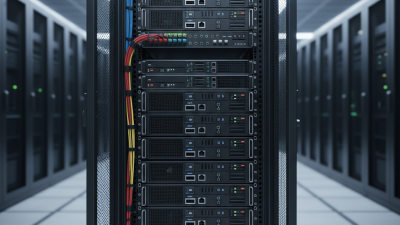
When selecting a high-performance rack mount computer for optimal performance and efficiency, there are several key features to consider. First and foremost, processing power is critical. Look for systems equipped with multi-core processors that offer elevated clock speeds, as they can handle demanding applications and multitasking with ease. Additionally, a robust cooling system is essential to maintain performance under heavy loads, making designs with efficient airflow and quality fans highly desirable.
Memory capacity and speed are also vital aspects to evaluate. High-performance systems should support a substantial amount of RAM with fast data transfer rates, ensuring smooth operation of resource-intensive software. Furthermore, the choice of storage is crucial—opting for solid-state drives (SSDs) over traditional hard drives can significantly enhance data access speeds and overall system responsiveness. Lastly, consider the expandability of the rack mount computer, as the ability to add components such as GPU cards or additional storage in the future can extend the system's life and adaptability to evolving requirements.
Top Rack Mount Computers of 2025: Performance Metrics
Energy Efficiency: Innovations in Cooling and Power Management
As the demand for data processing capabilities continues to surge, the importance of energy efficiency in data centers cannot be overstated. With data centers consuming approximately 3% of global electricity, innovations in cooling systems and power management are increasingly becoming pivotal. The thermal management market is poised to reach USD 33.72 billion by 2034, indicating a growing recognition of the need for efficient energy solutions. Advanced cooling methodologies, including air-based, liquid-based, and hybrid systems, are being designed to significantly reduce energy consumption while maintaining operational efficiency.
Recent industry advancements highlight the integration of renewable energy sources, advanced hardware, and innovative cooling technologies that collectively aim to minimize power consumption. Furthermore, the renovation market for data centers is projected to grow from its current valuation to an impressive USD 54.7 billion by 2030, propelled by the rising need for high-density compute environments. Companies are increasingly focused on modernizing aging infrastructures to support AI, edge computing, and hybrid cloud solutions, ensuring that sustainability and operational efficiency go hand in hand.
Top 10 Brands Leading the Rack Mount Computer Market in 2025

In 2025, the rack mount computer market is thriving, with several brands leading the way in delivering optimal performance and efficiency. Companies like Dell EMC, HPE, and Lenovo continue to dominate the industry, providing powerful solutions that cater to diverse organizational needs. Dell EMC stands out for its customizable configurations and robust support services, making it a top choice for enterprises looking to scale their operations effectively.
Moreover, Cisco and Supermicro are gaining traction with their innovative designs and energy-efficient technologies. Cisco’s focus on integrating networking capabilities directly into its rack mount servers allows for seamless operations in closely-connected environments, while Supermicro’s commitment to green computing initiatives appeals to businesses seeking sustainability without compromising on performance. As 2025 unfolds, these brands are not just competing for market share but are also contributing to advancements in data processing and management, ensuring that rack mount computers meet the evolving demands of modern businesses.
Comparative Analysis of Performance Metrics for 2025 Models
As of 2025, the landscape of rack mount computers has evolved dramatically, driven by advancements in processing power and energy efficiency. A comparative analysis of performance metrics highlights that leading models now feature cutting-edge Intel Xeon Scalable processors, which reportedly offer up to 40% improved performance compared to their predecessors. According to the latest report from the International Data Corporation (IDC), these processors are optimized for parallel processing tasks, maximizing throughput in data-intensive environments. Furthermore, new models have adopted DDR5 memory technology, enhancing data transfer rates to 6400 MT/s, which supports faster access to vast datasets.
In terms of energy efficiency, the Green Electronics Council reported a substantial increase in Energy Star-rated rack mount systems, reflecting a focus on sustainability. The latest models exhibit power usage effectiveness (PUE) ratios below 1.3, a significant improvement over previous generations. This is particularly noteworthy when considering the growing demand for high-performance computing in cloud services and big data analytics. Benchmark tests indicate that the top-performing rack mount computers now deliver up to 50% more power efficiency without compromising on processing capabilities, thus making them crucial assets for organizations looking to optimize their operational costs while maintaining high performance.
Top Rack Mount Computers of 2025 for Optimal Performance and Efficiency
| Model |
Processor |
RAM (GB) |
Storage (TB) |
Power Supply (W) |
Efficiency Rating |
Cooling System |
| Model A |
Intel Xeon Silver |
32 |
4 |
650 |
80 PLUS Platinum |
Liquid Cooling |
| Model B |
AMD EPYC 7003 |
64 |
8 |
750 |
80 PLUS Gold |
Air Cooling |
| Model C |
Intel Xeon Gold |
128 |
15 |
1000 |
80 PLUS Titanium |
Liquid Cooling |
| Model D |
AMD Ryzen Threadripper |
256 |
12 |
850 |
80 PLUS Gold |
Hybrid Cooling |