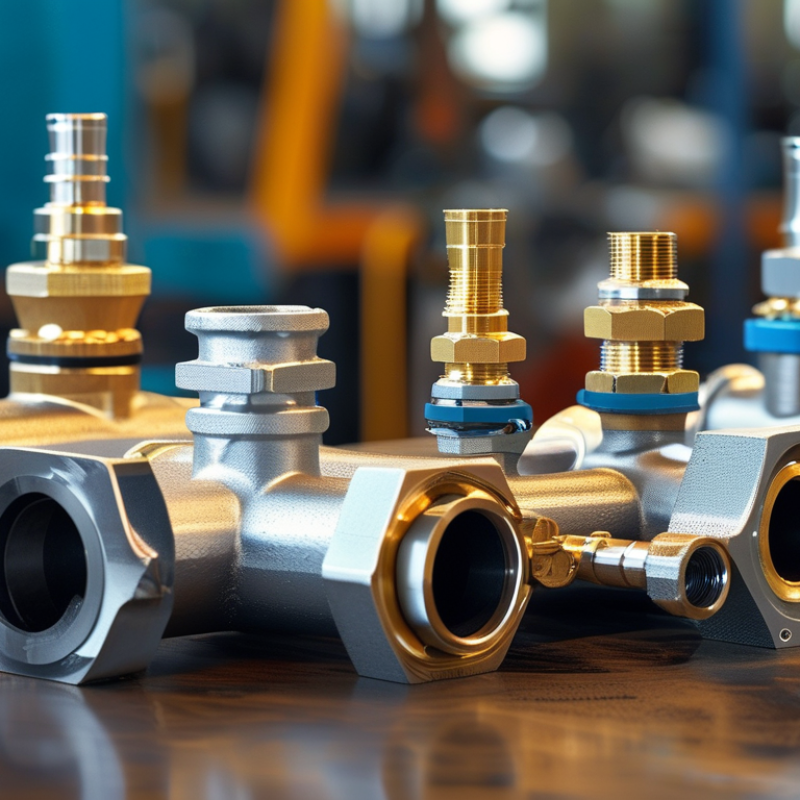
Top Pipe Fittings for Efficient Industrial Applications?
In the realm of industrial applications, Pipe Fittings play a crucial role in ensuring efficiency and reliability. These components are often the unsung heroes of complex systems. From controlling flow rates to connecting various parts, their importance cannot be overstated.
Choosing the right pipe fittings can significantly impact operational effectiveness. High-quality fittings reduce leaks and prevent costly downtime. However, not all fittings are created equal. Various materials and designs must be considered.
Incorporating innovative pipe fittings can lead to better performance and longevity. Yet, many industries overlook their significance. This article will explore the top pipe fittings used in industrial applications and how they enhance efficiency. Understanding these options is essential for any professional seeking reliable solutions.
Essential Types of Pipe Fittings for Industrial Efficiency
In industrial settings, choosing the right pipe fittings is crucial for operational efficiency. Common types include elbows, tees, and reducers. Each fitting plays a specific role in directing the flow of liquids and gases. Elbows are essential for making corners, allowing smooth transitions. Ties connect multiple pipelines, optimizing flow in various directions. Reducers are vital when changing pipe sizes, ensuring minimal pressure loss.
However, selecting these fittings requires careful consideration. Material choice can impact durability and performance. For example, metallic fittings are robust but may corrode over time. Plastic options resist corrosion but may not withstand high pressures. It’s also important to assess compatibility with existing systems. Installation practices matter too. Poorly installed fittings can lead to leaks and inefficiencies.
Yet, many overlook the maintenance of these components. Regular inspections can prevent costly downtimes. Building a routine inspection schedule could enhance overall efficiency. Ignoring small issues now can lead to bigger problems later. Always reflect on your choices and adapt as needed. Ensuring the right fittings contribute significantly to sustained industrial performance.
Factors to Consider When Selecting Pipe Fittings for Applications
When selecting pipe fittings for industrial applications, several factors come into play. The material of the fittings is crucial. Stainless steel, for example, offers durability and resistance to corrosion. However, it can be more expensive than plastic options. The choice may depend on the specific environment. High temperatures or exposure to chemicals may require a different material.
Size is another important factor. Pipe fittings must match the diameter of the pipes they connect. A poor fit can lead to leaks and inefficiencies. Ensuring compatibility is essential. Often, one may overlook the importance of pressure ratings. Fittings must handle the system’s operational pressure to avoid failures.
In some cases, the choice of fitting type can be complex. Elbows, tees, and couplings each serve different purposes. Understanding the whole system is necessary. Misunderstanding here might lead to inefficiencies. Proper research and planning can reduce mistakes. Always consider your long-term needs. Planning ahead can save costs later.
Top Pipe Fittings for Efficient Industrial Applications
| Pipe Fitting Type | Material | Pressure Rating | Temperature Range | Applications |
| Elbow | Stainless Steel | 200 PSI | -50°C to 200°C | Oil & Gas, Water Supply |
| Tee | Carbon Steel | 150 PSI | -10°C to 120°C | Chemical Processing, HVAC |
| Reducer | PVC | 100 PSI | 0°C to 60°C | Water Treatment, Drainage |
| Coupling | Brass | 250 PSI | -20°C to 180°C | Plumbing, Heating |
| Flange | Alloy Steel | 300 PSI | -29°C to 400°C | Industrial Piping, Shipbuilding |
Comparative Analysis of Material Types in Pipe Fittings
When selecting pipe fittings for industrial applications, material choice plays a crucial role. The most common materials include stainless steel, PVC, and copper. Each material has its own strengths and weaknesses, which can affect performance and reliability.
Stainless steel is corrosion-resistant and durable, making it a popular choice for many industries. However, it can be more expensive and may require additional maintenance.
PVC is lightweight and easy to install. It is suitable for various applications but may not withstand high temperatures or pressures.
Copper fits well in plumbing due to its thermal efficiency. However, its susceptibility to corrosion is a concern over time. Understanding these material characteristics is essential for choosing the right fittings.
Tips:
- Always consider the environment where the fittings will be used.
- Conduct thorough inspections of the fittings before installation.
- Seek expert opinions where necessary.
The right choice can prevent costly repairs down the line. Also, don't overlook the importance of compatibility with existing systems. Each fitting's material can greatly impact the overall performance of the piping system.
Common Applications of Different Pipe Fittings in Industries
In industrial settings, pipe fittings play a crucial role in designing efficient systems. Flanges are often used for connecting pipes. They provide strong seals for high-pressure applications. This ensures safety and prevents leaks. Welded fittings are another common choice. They offer robust joints, ideal for permanent setups. However, improper welding can lead to failures.
Elbows are essential for redirecting flow in pipes. They help manage changes in direction smoothly. T-junctions allow for branching off from a main line. Their design helps maintain flow efficiency. Yet, these components can be a weak point if not installed correctly. Regular inspection is vital to ensure they function as intended.
Compression fittings offer easy assembly and maintenance. They are beneficial in spaces where connections need to be made without welding. However, if over-tightened, they can damage the pipe, leading to leaks. Each fitting type has unique applications and potential pitfalls. Understanding these details is crucial for reliable operation in industrial applications.
Maintenance Tips for Maximizing the Longevity of Pipe Fittings
Proper maintenance of pipe fittings is essential for maximizing their longevity in industrial applications. Studies suggest that up to 50% of premature fittings failure is due to inadequate care and upkeep. Regular inspection is crucial. Look for signs of wear, corrosion, and leaks. Early detection can prevent costly downtime and repairs.
Using the correct cleaning methods can enhance the lifespan of fittings. For example, non-abrasive cleaners are recommended to avoid surface damage. The frequency of cleaning should align with the working environment. Unclean conditions can lead to deposits that hinder performance. In demanding industries, this can impact productivity significantly.
It’s essential to understand the conditions in which pipe fittings operate. High-pressure and fluctuating temperatures can strain materials. It’s important to consult data from industry reports, as many fittings are rated for specific environments. Regularly replacing worn-out components is also vital. Neglecting this can result in severe operational issues down the line.