Top 10 Industrial Panel Types for Global Buyers to Consider?
The global industrial panel market is thriving, driven by advancements in automation and technology. According to a report by Allied Market Research, the industrial control panel market is projected to reach $15 billion by 2027, growing at a CAGR of 4.5%. This surge reflects the increasing need for efficiency in various industries.
Industrial panels are vital components in manufacturing and processing environments. They house critical controls and safety features that ensure smooth operations. However, not all panels are created equal. Buyers must navigate through various types and specifications to find the right fit for their needs. Factors such as environment, application, and size play significant roles in this decision-making process.
Understanding the different industrial panel types available is essential. Each type offers unique benefits and limitations. Depending on your industry’s requirements, the choice of an industrial panel can impact overall productivity. A well-informed decision can lead to reduced downtime and enhanced operational efficiency. The importance of selecting the right industrial panel cannot be understated.
Overview of Industrial Panel Types
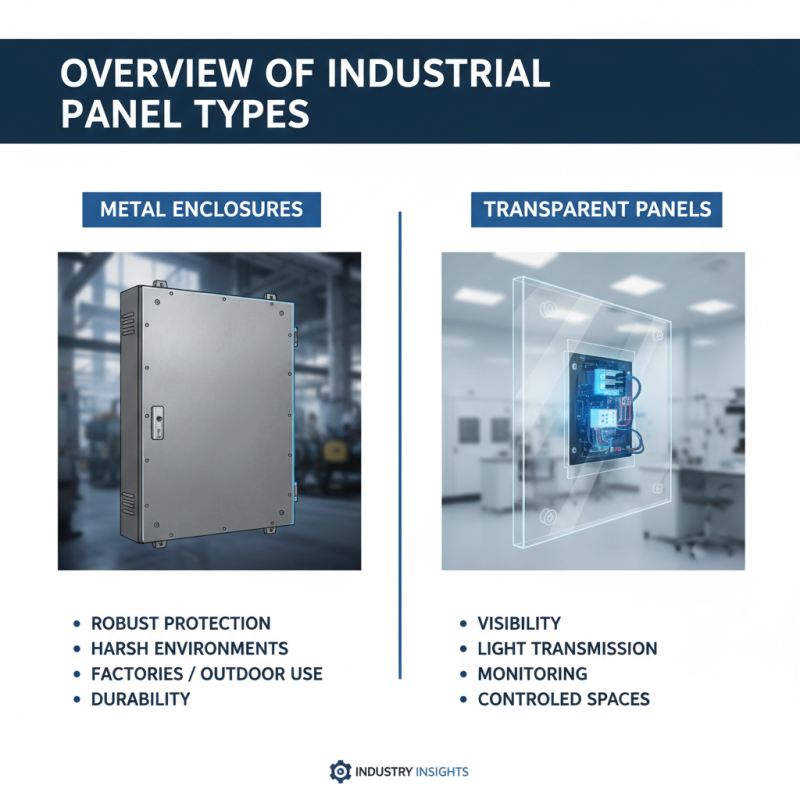
When exploring industrial panels, understanding their types is crucial for effective decision-making. Industrial panels come in many forms, each designed for specific needs. For instance, metal enclosures provide robust protection against harsh environments. These panels are often used in factories or outdoor applications where durability is essential. Meanwhile, transparent panels made of polycarbonate offer visibility and light transmission, ideal for monitoring functions in controlled spaces.
Another common type is the touch screen panel, which allows users to interact directly. These panels are especially popular in automation and control applications. They can streamline processes and improve usability. However, their sensitivity to scratches and impacts must be considered. Users can also encounter issues like glare or visibility under direct light. Choosing the right panel hinges on understanding the specific operational requirements and the environment.
The demand for customized solutions is growing. Different sectors, like energy and transportation, need panels tailored to their unique challenges. Not all types fit every purpose, highlighting the need for careful selection. Buyers may find it challenging to balance price, durability, and functionality. Rigorous testing and reliable feedback are essential when making a choice. As industrial needs evolve, constant reassessment of panel types becomes vital in maintaining efficiency and effectiveness.
Key Features to Consider in Industrial Panels
When selecting industrial panels, a few critical features can significantly impact performance. One key aspect is the material used. Panels made from durable materials like steel or aluminum can withstand tough environments. They are less likely to corrode or degrade over time, ensuring reliability in various applications. Consideration of weight is also essential. Lightweight panels can reduce installation costs but may not always provide the necessary strength. Buyers should weigh these factors against their specific needs.
Another crucial feature to examine is the panel's insulation properties. Good insulation improves energy efficiency and prevents temperature fluctuations. Look for panels with high insulation ratings, especially in temperature-sensitive environments. Furthermore, ease of installation can save both time and money in projects. Panels designed for quick assembly can minimize labor costs, but their design must still maintain structural integrity.
Lastly, consider the panel's compliance with industry standards. Meeting these guidelines ensures that the product is safe and reliable. Challenging regulatory requirements can pose issues if not addressed early in the selection process. By focusing on these critical features, buyers can make informed decisions that align with their operational goals. It's essential to evaluate each panel type carefully to find the best fit for specific applications.
Top 10 Industrial Panel Types for Global Buyers to Consider
| Panel Type |
Key Features |
Applications |
Material |
| Plywood Panel |
Lightweight, sturdy, cost-effective |
Furniture, cabinets |
Plywood |
| Steel Panel |
High durability, resistant to harsh environments |
Industrial storage, outdoor applications |
Steel |
| Aluminum Panel |
Lightweight, corrosion-resistant |
Aerospace, automotive |
Aluminum |
| Composite Panel |
Lightweight, good insulation |
Building facades, signage |
Plastic & Metal |
| Fiberglass Panel |
Lightweight, resistant to chemicals |
Marine, automotive |
Fiberglass |
| Rubber Panel |
Flexible, shock-absorbing |
Electrical insulation, flooring |
Rubber |
| Polycarbonate Panel |
Impact-resistant, lightweight |
Safety glazing, skylights |
Polycarbonate |
| Wood Panel |
Natural look, good insulation |
Interior design, furniture |
Wood |
| Zinc Panel |
Corrosion-resistant, low maintenance |
Roofing, cladding |
Zinc |
Comparison of Popular Industrial Panel Materials
When selecting industrial panel materials, buyers have multiple options. Common choices include aluminum, stainless steel, and composite materials. Each type has unique properties that cater to different applications. Aluminum is lightweight and resistant to corrosion, making it ideal for various environments. Stainless steel, while heavier, offers superior strength and durability. It is well-suited for industries requiring stringent hygiene standards.
Composite panels combine materials for enhanced performance. They often feature a core layer of insulation, offering thermal resistance while remaining lightweight. This makes them perfect for energy-efficient applications. However, their initial cost may be higher than traditional materials. It's essential to weigh the long-term savings against the upfront investment.
In certain situations, transparency in material sourcing is crucial. Not all suppliers are transparent about their manufacturing processes. Buyers should ask questions about the panels’ origins and certifications. Understanding environmental impacts can lead to better choices. While aesthetic appeal is important, functionality must not be compromised. The right material should strike a balance between visual and practical demands.
Application Areas for Different Industrial Panels
When selecting industrial panels, considerations vary widely by application area. Panels serve multiple purposes, from controlling machinery to displaying vital data.
In manufacturing, for example, panels enable operators to monitor production lines. Dust-resistant designs and rugged hardware are essential for such environments.
In process control, touch panels are popular. They allow quick adjustments in real-time. Operators appreciate the user-friendly interfaces. Specialized panels may also fulfill industry-specific needs. These include temperature control in food processing or humidity regulation in pharmaceuticals.
Tips: Evaluate the installation space available to determine the appropriate panel size. Consider current and future technological needs to ensure the chosen panel remains relevant. Collaboration with technical experts can also improve system compatibility.
Reflecting on panel choices can reveal areas for improvement. Some aspects may not meet operational demands. Regular evaluation of panels may identify the need for upgrades. This proactive approach enhances overall efficiency.
Trends Influencing Industrial Panel Selection Globally
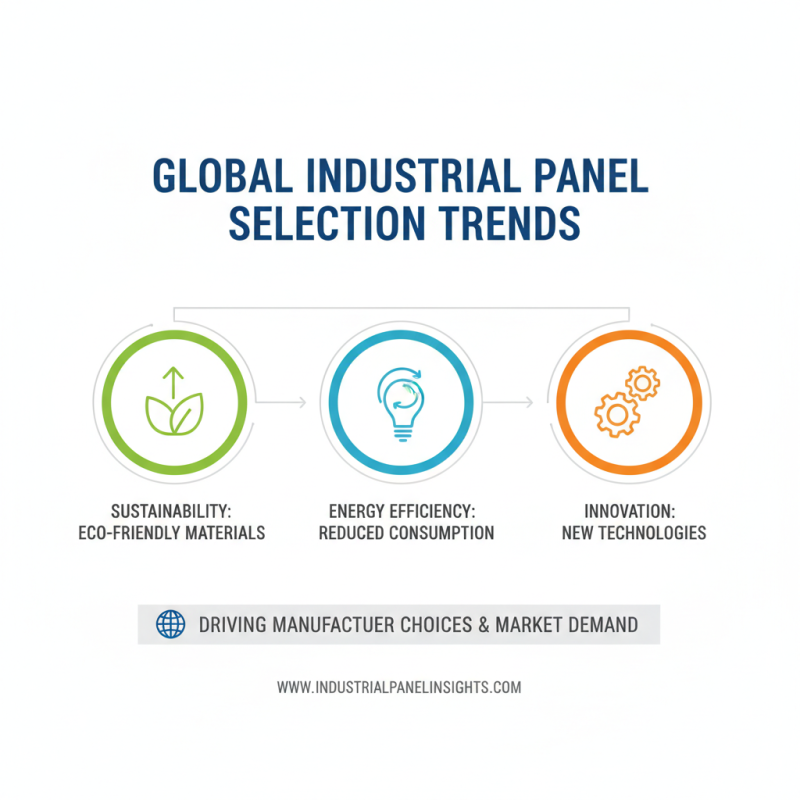
In today's global market, choosing the right industrial panel is crucial. Various trends affect this choice. One major trend is the move towards sustainability. Buyers are increasingly looking for eco-friendly materials. This shift influences manufacturers to innovate. The push for energy efficiency also plays a role. Buyers often seek panels that reduce energy consumption.
The rise of digitalization impacts panel selection. Smart technology integration is now vital. Buyers prefer panels compatible with automation. This has led to a demand for advanced interfaces. However, not all manufacturers keep pace with these changes. Some struggle to meet evolving industry standards. It can be challenging to find reliable options. Moreover, the cost factor remains a significant concern. Balancing quality with budget is no easy feat.
Another trend is the emphasis on safety. Industrial operations often involve hazardous environments. Buyers must ensure panels comply with safety regulations. Yet, frequent updates in safety standards can complicate the selection process. Often, manufacturers need to update their offerings. This can lead to discrepancies in available products. As a result, buyers may feel overwhelmed. The choice should reflect both current trends and future needs.