Top FLS Gate Valve Components for Buyers in 2026?
Buying Fls Gate Valve Components in 2026 calls for more than comparing prices. Buyers need to match each part to the valve model, pressure class, fluid, and operating conditions. A gate, seat, stem, or seal that looks compatible may still fail to meet the equipment’s specifications. Small details matter.
The International Energy Agency’s World Energy Investment 2024 report estimated that upstream oil and gas investment would rise 7% in 2024, reaching about $570 billion. This figure does not predict valve-component demand by itself. It does, however, show the scale of continued investment in oil and gas supply, where dependable equipment and maintenance remain important. For wellhead and tree applications, API Specification 6A is a key industry reference; buyers should confirm its applicability to the specific product and service. Ask suppliers for model compatibility, material grades, pressure ratings, traceability records, and relevant inspection or test documents. Check seal materials against temperature and fluid conditions, especially where sour service is involved. Verify details against the manufacturer’s drawings and documentation.
There is no universal parts list. That is easy to overlook. Even experienced buyers can rely too heavily on a familiar part number or an old purchase record. This guide examines the components buyers commonly review, the evidence worth requesting, and the questions that can expose a mismatch before purchase. It is a practical starting point, not a substitute for engineering review or the valve manufacturer’s guidance.
FLS Gate Valves: Structure, Purpose, and Operating Principles
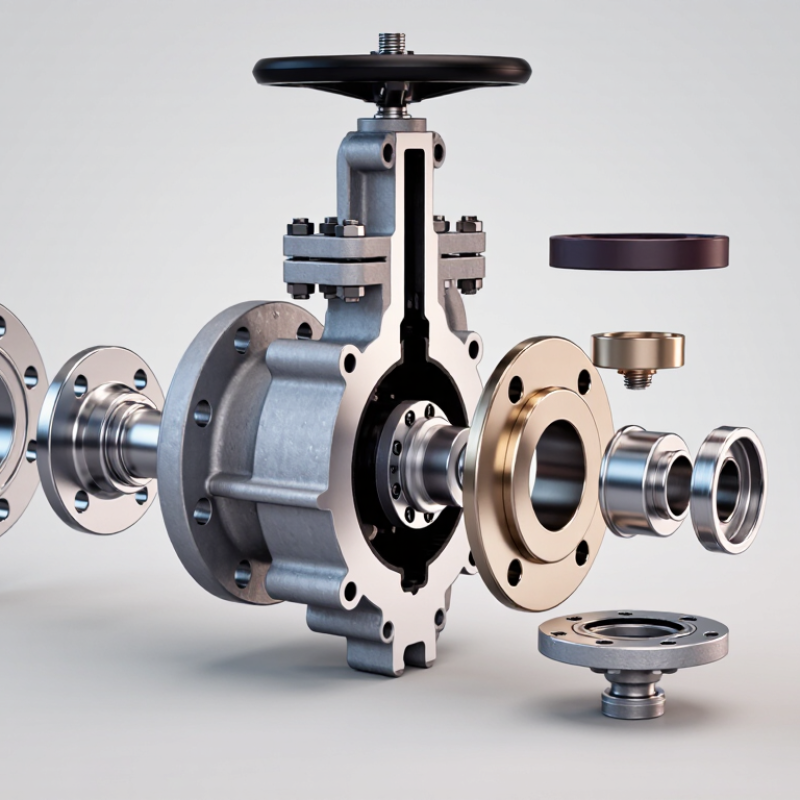
FLS gate valves use a compact set of parts to control flow in demanding pipeline service. The valve body forms the pressure-containing shell, while a bolted bonnet provides access to internal components. Inside, a flat gate moves between two seats. When open, its passage aligns with the pipeline bore, allowing fluid to pass with little obstruction. When closed, the gate presses against the seats to isolate flow. A small detail matters: seat condition can strongly affect sealing.
Turning the handwheel or operating the actuator moves the stem, which raises or lowers the gate. Stem packing helps limit leakage where the stem passes through the bonnet. Some designs use rising stems, making position easier to see; others keep the stem from extending upward. Through-conduit models can reduce pockets where debris collects, but actual performance depends on the design and service conditions. These valves are generally intended for on-off isolation, not routine flow throttling. That distinction is easy to overlook.
For buyers, confirm the pressure rating, bore size, connection type, materials, and operating method against the pipeline specification. Ask how the valve handles the expected fluid, temperature, and cycling frequency. Inspect seat and stem details, too. A datasheet cannot show every maintenance concern, and I would not treat a familiar layout as proof of suitability. Check the configuration carefully before selecting components.
Gate Valve Components & Pressure Classes: A Buyer’s Guide for 2026
Compare common API 6A rated working-pressure classes. A gate valve’s main components typically include the body, bonnet, gate, seats, stem, stem packing, and actuator or handwheel. Confirm the required pressure rating and material specifications against the exact valve model and service conditions.
Values show standard API 6A pressure-class designations, not the rating of any specific valve. Selection also depends on temperature, material class, and other applicable specifications.
Key Components and Their Functions
Top FLS Gate Valve Components for Buyers in 2026?
Key Components and Their Functions
A gate valve’s body and bonnet form its pressure-containing shell. The gate moves between the seats to stop or allow flow. The stem transfers operating force to the gate, while stem packing seals around the moving stem. Seats provide the sealing surfaces; scratches or erosion can compromise shutoff. Small parts matter. In the field, a stiff stem or damaged packing may be easier to spot than seat wear, so inspection should cover both visible and internal components.
The IEA’s Global Methane Tracker 2024 estimates that fossil fuel operations emitted around 120 million tonnes of methane in 2023. This is not a valve-failure statistic, but it highlights why leak prevention and sound equipment condition matter. For buyers, compare pressure and temperature ratings, materials, trim, and seal arrangements against the actual service conditions. A specification sheet helps, but it cannot replace checking how the valve will be operated and maintained.
Tips: Ask how the gate, seats, and packing can be inspected or replaced. Confirm the stem moves smoothly through its full travel, and check for leakage around the stem area. Don’t overlook maintenance access. A valve can meet the stated rating and still be awkward to service.
Materials, Pressure Ratings, and Compatibility
Top FLS Gate Valve Components for Buyers in 2026?
Materials, Pressure Ratings, and Compatibility
A dependable gate valve is more than a pressure rating stamped on its body. Buyers should review the body, bonnet, gate, stem, seats, and seals as one working assembly. Carbon steel may suit many services, while corrosion-resistant alloys can be necessary when fluids contain chlorides or other aggressive chemicals. Material selection should reflect the actual fluid, temperature, and operating cycle—not just the purchase description.
Check the pressure rating against the complete valve configuration and expected operating temperature. A rating that applies at ambient conditions may not tell the whole story at elevated temperatures. Ask for traceable material records and test documentation, and compare them with the project specification. Small details matter. A mismatched trim material or seal compound can become the weak point, even when the valve body meets the stated rating.
Compatibility also includes connections, actuator or handwheel requirements, and maintenance access. Confirm end dimensions and interface details before ordering; a few millimeters can complicate installation. For demanding service, request written confirmation of fluid compatibility and applicable design limits from the supplier. Paperwork can look complete and still leave gaps, so clarify assumptions about pressure, temperature, and cycling. I would not treat a generic “suitable for service” note as enough evidence.
How to Select Components for Service Conditions
Top FLS Gate Valve Components for Buyers in 2026?
How to Select Components for Service Conditions
Selecting FLS gate valve components starts with the actual service conditions, not a parts list. Record operating pressure, temperature, fluid composition, and how often the valve cycles. A valve handling clean water may need different seating and sealing materials from one exposed to abrasive particles or corrosive fluids. Small details matter. Confirm that the body, bonnet, gate, and stem materials suit the specified conditions and expected operating loads.
Review trim, packing, gaskets, and end connections as a working set. For solids or scale, ask how the gate and seats resist wear, and whether debris could interfere with closure. Check pressure-temperature ratings and dimensional compatibility against the valve documentation. Also verify material records and inspection requirements for critical service. A tidy checklist can still miss field conditions, so compare it with maintenance history and operating data. When information conflicts, pause and have a qualified valve specialist review the selection.
Tips: Share the fluid, pressure, temperature range, and connection details when requesting components. Note unusual cycling, vibration, or leakage. Keep part identification and inspection records together; they can save time during the next shutdown.
Inspection and Purchasing Considerations for 2026
For buyers comparing FLS gate valve components in 2026, inspection should begin with the valve’s intended service. Confirm pressure rating, bore size, end connections, temperature range, and fluid compatibility against the project specification. A mismatch can affect installation and sealing, even when individual parts appear well made.
Inspect the body and bonnet for material identification, clear markings, and visible damage. Check the gate and seats for smooth contact surfaces, then examine the stem for straightness and consistent movement. Packing and seals should match the specified service conditions. Small details matter. Request material certificates, dimensional records, and pressure-test documentation, and compare them with the purchase order. A clean certificate is useful, but it does not replace a physical inspection. One point is easy to miss: protective coatings can hide surface defects, so inspect critical areas before acceptance.
Purchasing teams should clarify whether components are supplied individually or as a tested assembly. Confirm interchangeability, included hardware, preservation method, and expected delivery condition in writing. Ask how replacement parts are identified and stored; vague answers can create delays later. Fit is not enough. Keep a record of inspection findings, including photographs of markings and contact surfaces. I would leave time for a second review when dimensions or material grades are unclear. That small pause may prevent an expensive fit-up problem.


