


China Top 10 Grounding Kits Manufacturers?
Choosing reliable Grounding Kits manufacturers requires more than comparing product prices or catalog photographs. A dependable supplier should demonstrate practical experience with copper, tinned copper, stainless steel, clamps, bonding straps, and corrosion-resistant connections. Installation details matter. A loose clamp, uneven contact surface, or undersized conductor can weaken an otherwise carefully designed system. This guide, “China Top 10 Grounding Kits Manufacturers?”, examines manufacturers through product quality, engineering capability, testing practices, customization, export experience, and after-sales support.
Electrical educator Mike Holt has stated, “Grounding and bonding are two of the most misunderstood concepts in electrical work.” That observation remains relevant for industrial plants, telecommunications sites, solar projects, substations, and construction equipment. Strong manufacturers should explain how their Grounding Kits perform under vibration, moisture, temperature changes, and repeated maintenance. They should also provide clear drawings, material specifications, inspection records, and applicable compliance information. Claims alone are not enough.
The ranking should not be treated as permanent. Factory capacity, raw-material sourcing, and quality systems can change. A manufacturer with an impressive website may still provide weak documentation or inconsistent batches. Conversely, a smaller supplier might offer better engineering support and faster customization. Buyers should request samples, verify dimensions, inspect plating quality, and discuss real installation conditions before deciding. Some evaluation points remain subjective. That is worth admitting. The most suitable supplier is not always the largest one; it is the company that delivers safe, traceable, and field-ready solutions consistently.
What Are Grounding Kits and How Do They Work?
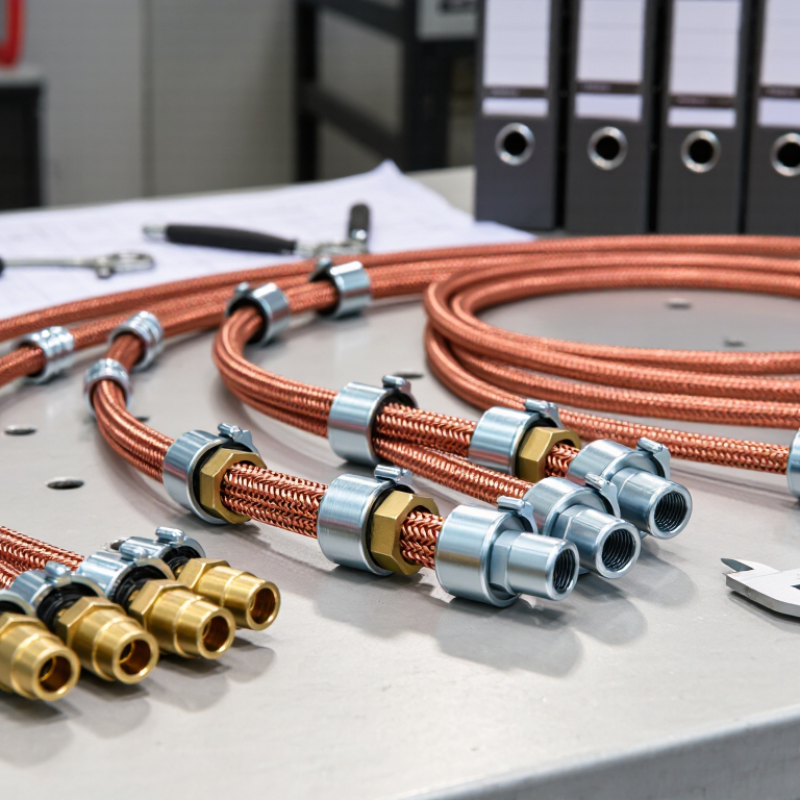
Grounding kits create a controlled path for unwanted electrical energy to reach earth. They commonly include bonding wires, lugs, clamps, washers, and corrosion-resistant hardware. These parts connect metal enclosures, cable shields, support structures, or equipment frames to a grounding conductor. The purpose is simple: reduce shock risk, limit fault voltage, and help protective devices operate quickly.
The kit works through bonding. A low-impedance connection carries fault current away from exposed metal surfaces. During a surge, it also helps direct transient energy toward the grounding system. Proper contact matters. Paint, rust, loose bolts, or damaged threads can interrupt the path. A clean metal surface and correct tightening force are essential details, not cosmetic choices.
Small details matter.
In practical inspections, a complete-looking kit can still perform poorly. Installers should check continuity, conductor condition, connection torque, and resistance with suitable test equipment. The grounding conductor must match the system design and local electrical requirements. Outdoor installations need protection against moisture, vibration, and galvanic corrosion. Labels and inspection records also improve traceability.
A common mistake is treating grounding as an accessory added after installation. It should be designed with the equipment layout, cable route, and grounding electrode system. Some installations also need surge protection and equipotential bonding. These decisions depend on voltage, environment, fault current, and applicable standards. Even experienced teams should review unusual layouts instead of relying on habit.
China Top 10 Grounding Kits Manufacturers? - What Are Grounding Kits and How Do They Work?
| No. | Grounding Kit Type | Main Purpose | Typical Components | Common Installation Location | Typical Conductor Material | Applicable Reference | How It Works |
|---|---|---|---|---|---|---|---|
| 1 | Electrical Panel Grounding Kit | Connects panel enclosures and grounding conductors to the protective earthing system. | Ground bar, bonding screws, lugs, washers, conductor, and mounting hardware. | Distribution boards, control panels, switchboards, and electrical cabinets. | Bare or insulated copper; aluminum may be used where permitted by the installation design. | IEC 60364; NFPA 70; local electrical codes. | Provides a low-impedance fault path so protective devices can disconnect power during an insulation fault. |
| 2 | Cable Tray Bonding Kit | Maintains electrical continuity across cable tray sections, joints, and accessories. | Bonding jumpers, two-hole lugs, serrated washers, bolts, and corrosion-resistant fasteners. | Metallic cable trays, ladders, bends, tees, and expansion joints. | Tinned copper or copper bonding braid. | IEC 61537; NEMA VE 1; NFPA 70. | Bridges joints that may have high contact resistance and keeps the tray system at a similar electrical potential. |
| 3 | Cable Gland Grounding Kit | Bonds armored or screened cables to an equipment enclosure. | Earth tag, locknut, gland components, serrated washer, and grounding conductor. | Motor control centers, junction boxes, switchgear, and industrial enclosures. | Copper braid, tinned copper wire, or a metallic cable armor path. | IEC 62444; IEC 60364; enclosure manufacturer instructions. | Transfers fault current from the cable armor or screen into the enclosure grounding network. |
| 4 | Motor Grounding Kit | Grounds motor frames and provides bonding between the motor, cable, and supply equipment. | Frame grounding lug, bonding conductor, cable gland parts, and terminal hardware. | Low-voltage motors, pumps, fans, compressors, and industrial drive systems. | Copper or tinned copper conductor sized according to the fault-protection design. | IEC 60034; IEC 60364; NFPA 70. | Keeps exposed conductive parts near earth potential and helps clear motor winding-to-frame faults. |
| 5 | Transformer Grounding Kit | Grounds the transformer tank and, where required, the neutral point of the winding. | Tank bonding conductor, neutral grounding connection, lugs, clamps, and hardware. | Distribution transformers, dry-type transformers, and transformer substations. | Copper, aluminum, or galvanized steel, selected for the system and environment. | IEC 60076; IEEE 80; IEC 60364. | Provides a controlled path for tank faults and establishes the intended reference for the transformer neutral. |
| 6 | Busbar Grounding Kit | Connects a grounding busbar to the main earthing terminal or grounding electrode system. | Copper bar, compression lugs, bonding links, supports, and identification labels. | Electrical rooms, data centers, substations, and industrial control rooms. | Bare copper or tinned copper bar and conductors. | IEC 60364; IEC 61439; local grounding regulations. | Creates a common connection point for protective conductors and equipment bonding conductors. |
| 7 | Telecommunications Grounding Kit | Reduces touch-voltage risk and provides bonding for communication equipment and racks. | Rack bonding conductor, grounding bar, lugs, rack bonding hardware, and labels. | Server racks, network cabinets, telecom rooms, and equipment shelters. | Insulated copper conductor, copper braid, or tinned copper bonding strip. | TIA-607; IEC 60364; local telecommunications grounding requirements. | Equalizes the potential of racks and metallic pathways while providing a route for fault and surge currents. |
| 8 | Solar PV Grounding Kit | Bonds photovoltaic module frames, mounting rails, and inverter equipment. | Module bonding clips, grounding lugs, rail bonding jumpers, cable, and clamps. | Rooftop arrays, ground-mounted PV systems, combiner boxes, and inverters. | Copper or tinned copper; compatible aluminum bonding parts may also be used. | IEC 62548; IEC 60364-7-712; NFPA 70. | Maintains continuity across metal module frames and mounting structures and helps conduct fault or lightning-related current safely. |
| 9 | Lightning Protection Grounding Kit | Connects air terminals and down conductors to the earth-termination system. | Earth clamps, test joints, down-conductor clamps, bonding conductors, and earth electrodes. | Buildings, warehouses, towers, industrial plants, and rooftop structures. | Copper, aluminum, or hot-dip galvanized steel, subject to compatibility requirements. | IEC 62305; NFPA 780. | Directs lightning current through designated down conductors and electrodes while limiting dangerous voltage differences. |
| 10 | Grounding Electrode Connection Kit | Connects grounding conductors to rods, tapes, grids, plates, or foundation electrodes. | Ground clamps, irreversible compression connectors, exothermic weld materials, lugs, and inspection points. | Building foundations, substations, utility sites, industrial plants, and grounding grids. | Copper, copper-clad steel, stainless steel, or galvanized steel, depending on the electrode system. | IEC 60364; IEEE 80; IEC 62561. | Transfers fault, surge, and lightning current into the soil through a mechanically secure and electrically continuous connection. |
Note: Conductor size, connector type, corrosion protection, and grounding-electrode arrangement must be selected according to the available fault current, installation environment, applicable electrical code, and the project design.