Top 10 Scuter Electric Scooter Manufacturers Worldwide?
The global electric scooter market is changing quickly, with manufacturers competing through range, safety, software, comfort, and production quality. This guide examines the Top 10 Scuter Electric Scooter Manufacturers Worldwide, focusing on companies with visible market influence and practical product experience.
Our comparison considers battery capacity, motor performance, charging time, braking systems, frame durability, warranty support, and after-sales service. These details matter when a scooter faces wet roads, uneven pavement, crowded bike lanes, or daily commuting. A polished website is not enough. Independent testing, customer feedback, certifications, and transparent technical data provide stronger evidence of reliability.
The selected manufacturers represent different strengths, from compact urban models to powerful long-range scooters. Some brands lead in engineering, while others offer better value or broader dealer networks. Not every company performs equally in every category. That matters.
Ranking global manufacturers is difficult because regional regulations, road conditions, and testing methods vary. Published specifications may also differ from real-world results. Rider weight, temperature, tire pressure, and riding speed can reduce the advertised range. This article therefore treats manufacturer claims carefully and highlights areas that deserve further verification. Readers should compare current models, local service availability, safety equipment, and legal requirements before making a purchase. A dependable Scuter Electric Scooter should fit the rider’s daily route, not merely win a specification sheet. There is no perfect choice.
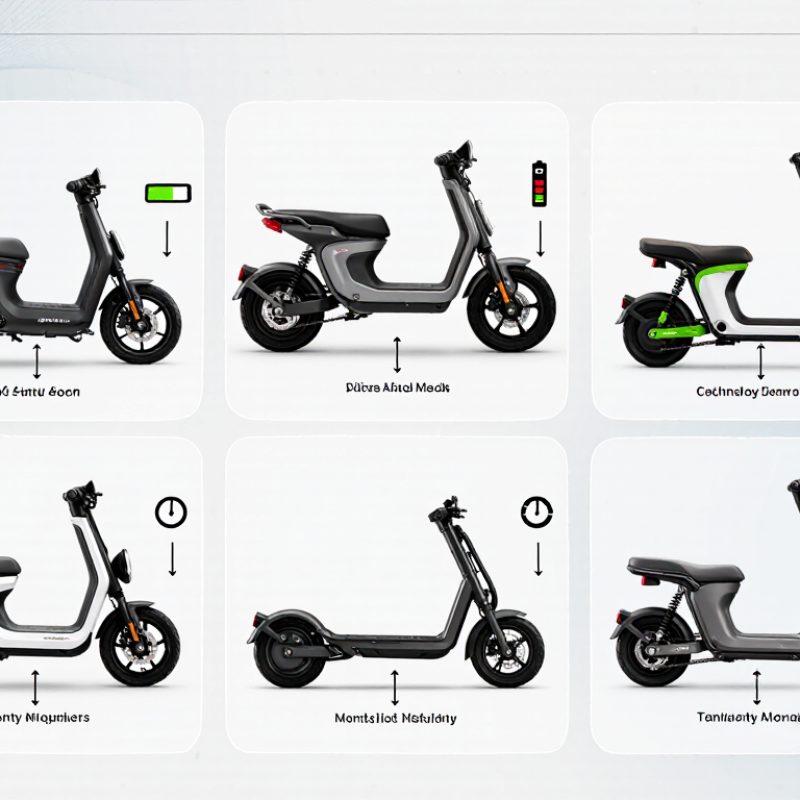
What Defines a Leading Electric Scooter Manufacturer
A leading electric scooter manufacturer is defined by more than sales volume or attractive design. It combines practical engineering, verified performance, and honest communication. Experienced teams test scooters on wet roads, steep hills, rough pavement, and repeated stop-and-start routes. They measure braking distance, battery temperature, motor efficiency, and frame strength. Small details matter. A loose folding latch can become a serious safety concern.
Reliable manufacturers publish meaningful specifications instead of vague marketing claims. They explain how range changes with rider weight, temperature, speed, and road conditions. Independent laboratory testing, traceable components, and compliance with applicable safety standards strengthen credibility. Clear warranty terms also reveal confidence in product quality. However, certification alone does not guarantee a perfect scooter. Real-world use is less predictable.
Strong manufacturers continue improving after release. They monitor service reports, investigate battery failures, and provide accessible replacement parts. Software updates should improve safety without creating confusing ownership problems. Customer support needs trained staff, not only automated replies. That difference becomes obvious when a commuter faces a charging fault before work. No manufacturer gets every decision right. Some published range estimates still feel optimistic. The more trustworthy companies admit these limits, correct weak designs, and share measurable improvements. Their authority grows through consistent evidence, careful testing, and responsible after-sales support.
Key Technologies Shaping Modern Electric Scooters
Modern electric scooters are shaped by technologies that affect safety, comfort, and daily reliability. High-density lithium batteries reduce weight while extending practical riding range. However, range estimates can change sharply with rider weight, hills, temperature, and tire pressure. A clear battery management system monitors voltage, heat, and charging balance. It can reduce risk, but it cannot correct careless charging habits.
Motor control is equally important. Brushless motors deliver smoother acceleration and better efficiency than basic systems. Sensors adjust power when the rider starts, climbs, or releases the throttle. Regenerative braking can return small amounts of energy to the battery. It is useful, but not a replacement for mechanical brakes. Experienced technicians also check brake cables, disc wear, steering bearings, and frame joints during routine inspections.
Safety features are becoming more connected. Some scooters use electronic locking, location tracking, diagnostic alerts, and overheat warnings. These tools help owners identify faults before a short ride becomes a roadside problem. Suspension systems and wider pneumatic tires improve control on cracked pavement. Solid tires resist punctures, though they often transmit more vibration. This trade-off deserves attention.
Water resistance is another key engineering area. A sealed motor does not mean unlimited protection from heavy rain or deep puddles. Manufacturers should state testing conditions clearly. Consumers should still inspect charging ports and seals regularly. No technology is perfect. Real-world performance depends on maintenance, honest specifications, and responsible riding decisions.
Top 10 Electric Scooter Manufacturers Worldwide
The global electric scooter industry is expanding through urban mobility, delivery fleets, and short-distance commuting. Grand View Research estimated the electric scooter market at about USD 20.4 billion in 2023. Its forecast suggests a 7.8% compound annual growth rate from 2024 to 2030. However, market definitions vary. Some reports include seated scooters, while others count only stand-up models.
A credible top 10 manufacturer ranking should examine more than production volume. Useful measures include annual output, battery safety testing, range consistency, warranty support, and certification coverage. The International Energy Agency reported that global electric two- and three-wheeler sales exceeded 10 million units in 2023. That figure shows why manufacturing scale matters, especially in Asian cities with dense traffic and established charging networks. Yet volume alone can mislead. A factory may produce many units but offer weak after-sales service.
The strongest manufacturers usually control several steps, from battery integration to software diagnostics and spare-parts supply. Independent testing also matters. Real-world range can fall sharply in cold weather, heavy rain, or steep streets. I have found that published specifications often look cleaner than daily riding conditions. This is where rankings need more honesty. Regional regulations, repair access, and fleet durability should receive equal attention, not just impressive acceleration figures. Consumer demand is growing, but reliability still decides whether an electric scooter becomes useful transport or an expensive garage object.
Factors to Consider When Comparing Scooter Manufacturers
Factors to Consider When Comparing Electric Scooter Manufacturers
A credible top-ten comparison should examine more than sales volume. The IEA’s Global EV Outlook 2024 identifies China as the dominant electric two-wheeler market, with electric models exceeding half of new sales there. This scale can indicate manufacturing experience, but it does not guarantee quality. Check production audits, battery traceability, water-resistance testing, and independent safety certificates. A scooter should survive wet streets, repeated braking, and uneven pavement—not only showroom photography.
Battery performance needs careful reading. BloombergNEF reported an average lithium-ion battery pack price of 115 dollars per kWh in 2024, down 20% from 2023. Lower costs may improve value, yet cheaper cells can bring faster degradation if thermal control is weak. Compare usable capacity, charging time, cycle-life evidence, and the warranty’s actual mileage limits. Claimed range is not everything. Real riders face hills, cold weather, heavy bags, and frequent stops.
After-sales support often separates reliable manufacturers from impressive catalogues. Look for stocked replacement tires, controllers, chargers, and brake parts in the destination market. Ask how long repairs typically take. Also compare software update policies and data protection practices. My practical concern is simple: a technically excellent scooter becomes expensive when one small component takes eight weeks to arrive. Some comparisons still overvalue speed and screen features. That is a weakness worth correcting.


