Top 5 Tips for Choosing the Best Acid Silicone Sealant?
Choosing the right Acid Silicone Sealant can be a daunting task. With so many options available, it’s essential to know what to look for. Quality sealants provide strong adhesion and durability. However, there are factors that can complicate this choice.
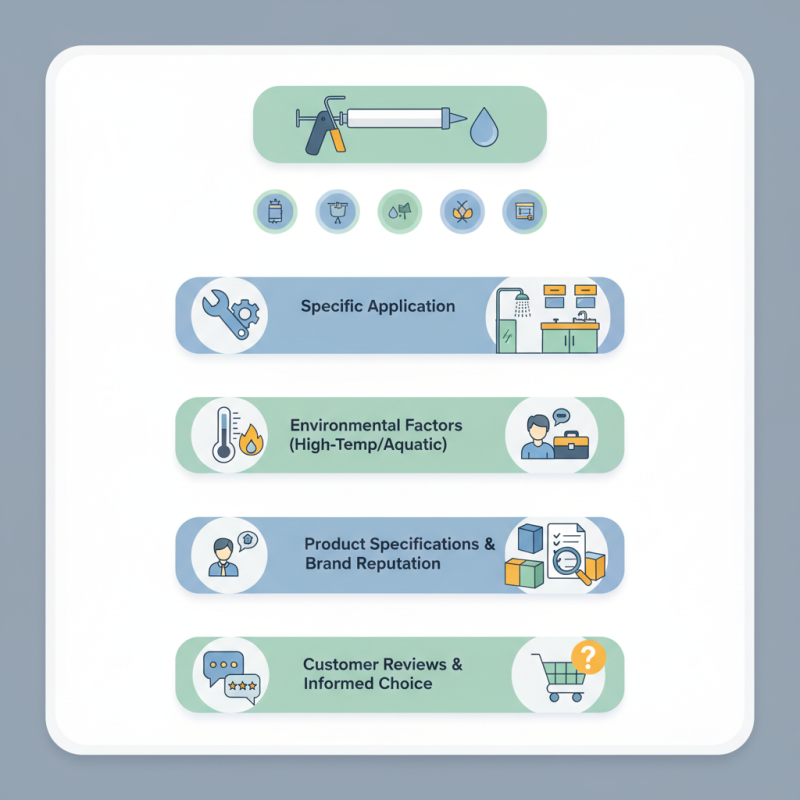
Consider the specific application for your sealant. Different projects may require different properties. Some sealants are better for high-temperature environments. Others might be more suitable for aquatic use. The level of expertise you have will also affect your selection.
When shopping, check the product specifications carefully. Not all Acid Silicone Sealants are created equal. Look for brands with a proven track record. Customer reviews can offer insights, but be wary of biased opinions. Your best choice will be informed and thoughtful, reflecting both your needs and the sealant’s capabilities.
Top 5 Tips for Choosing the Best Acid Silicone Sealant
Choosing the best acid silicone sealant requires careful consideration of several factors. First, consider the specific application. Different projects may demand different properties. For instance, bathroom use requires mold resistance, while kitchen uses may need waterproofing. Match the sealant's features with your project needs.
Next, examine the curing time. Some products cure quickly, while others take longer. Quick curing can save time for urgent repairs. However, longer curing may allow for adjustments in larger applications. Read user reviews to get insights on performance and ease of use.
Lastly, consider the color options available. A sealant that matches your surfaces can enhance appearance. Yet, remember that color may fade over time. It's also important to test a small area before full application. This helps identify any potential issues. Reflect on these points to make informed choices.
Understanding Acid Silicone Sealant Composition and Properties
Acid silicone sealants are widely used in construction and manufacturing due to their unique composition and properties. These sealants contain acetic acid, which gives them excellent adhesion to a variety of substrates. They cure quickly and can withstand high temperatures and humidity, making them ideal for bathrooms and kitchens. According to industry reports, the global silicone sealant market is expected to grow by 5% annually, signifying their increasing reliance in various applications.
When selecting an acid silicone sealant, consider the application environment. For areas exposed to moisture, ensure the sealant has waterproof features. Additionally, check the curing time. Rapid curing is important for time-sensitive projects.
Tip: Always review the technical data sheet for specific material compatibility. It helps in avoiding failures due to incorrect sealant choice.
Another aspect to reflect on is the color. Many acid silicone sealants come in various colors. Choosing the right color is essential for aesthetics. Yet, it is crucial to remember that color matching may not always be perfect.
With the right knowledge about composition and ideal application, choosing the best sealant becomes less daunting. Make informed decisions to avoid common pitfalls.
Evaluating Performance Standards and Certifications for Sealants
Choosing the right acid silicone sealant involves understanding performance standards and certifications. Various testing standards exist to determine sealant effectiveness, including ASTM and ISO metrics. These tests evaluate factors like adhesion strength, flexibility, and temperature resistance. The American Society for Testing and Materials (ASTM) outlines specific tests for sealants, ensuring they meet rigorous standards.
Certifications can provide valuable insight. For instance, a sealant with an ISO 11600 rating indicates it has passed stringent durability tests. Additionally, a sealant tested according to ASTM C920 can offer assurance of performance in various environmental conditions. This can be crucial for construction and renovation projects where reliability is non-negotiable.
However, industry reports highlight that not all sealants labeled as “high performance” live up to expectations. In fact, a report from a leading construction research firm indicated that nearly 30% of sealants failed during long-term testing. This underlines the importance of not just trusting labels but also reviewing detailed certification data. Understanding these standards helps ensure you choose a sealant that meets your project's specific needs.
Identifying Suitable Applications for Acid Silicone Sealants
When selecting acid silicone sealants, understanding their applications is crucial. These sealants excel in environments where strong adhesion and flexibility are needed. According to a report by the Adhesive and Sealant Council, over 30% of silicone sealant applications occur in construction. This highlights their significant role in both interior and exterior projects.
Acid silicone sealants are ideal for areas exposed to moisture. They are commonly used in bathrooms, kitchens, and other wet areas. Their resistance to mold and mildew makes them a reliable choice. However, improper application can lead to issues like cracking or peeling. A study in the Journal of Adhesives noted that nearly 18% of sealant failures arise from poor surface preparation.
Another area of application is in glazing. Acid silicone sealants bond well with glass, often used for curtain wall systems. These sealants provide excellent durability against weathering. However, in environments with high levels of ultraviolet light, some degradation can occur over time. Understanding these factors can significantly improve the effectiveness of your sealant choice.
Comparing Variations in Viscosity and Cure Times
When selecting an acid silicone sealant, viscosity and cure times are pivotal factors. Viscosity influences how easily the sealant can be applied. A higher viscosity means a thicker product, making it suitable for vertical surfaces. Conversely, low-viscosity sealants are easier to spread, perfect for even seams. Understanding these properties helps in choosing the right product for your specific project needs.
Cure time varies significantly between different formulations. Some sealants cure within hours, while others might take days. It’s crucial to consider the environment where the sealant will be used. Moisture and temperature can affect curing. A fast-curing option may be appealing, but slower options often offer better final durability. Experimentation might be necessary here to find the perfect fit for your application.
Comparison of Acid Silicone Sealants: Viscosity and Cure Times
Conclusion
Choosing the right Acid Silicone Sealant is crucial for ensuring optimal performance in various applications. Understanding the sealant's composition and properties is the first step, as it influences adhesion and longevity. Performance standards and certifications should also be evaluated to ensure the sealant meets industry requirements. It's important to identify suitable applications to select the best product for the job, considering specific environments and materials.
Variations in viscosity and cure times can affect the application process, so comparing these factors is vital. Additionally, assessing the sealant's resistance to environmental factors, such as moisture, UV exposure, and temperature fluctuations, as well as its aging effects, will determine its durability and effectiveness over time. By keeping these tips in mind, one can choose the most appropriate Acid Silicone Sealant for their needs.