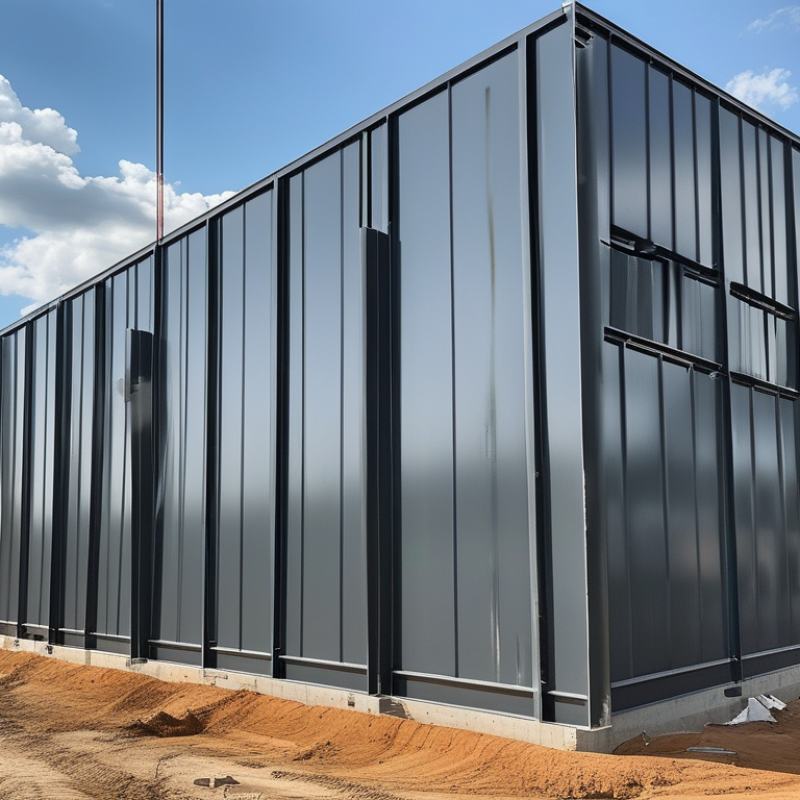
Why Steel Channel is Essential for Your Construction Projects?
Steel Channel plays a pivotal role in modern construction projects. As a versatile and durable structural element, it offers numerous benefits. Builders appreciate its strength and reliability, ensuring buildings are both safe and resilient.
Incorporating Steel Channel into designs enhances stability in frameworks. It helps distribute weight evenly, making structures less susceptible to environmental factors. The uniformity of Steel Channel allows for easy integration with various materials. This compatibility supports innovative architectural styles.
However, choosing the right type of Steel Channel can be challenging. The market offers various sizes and specifications. Understanding your project's specific requirements is essential. Reflecting on this complexity can lead to better decisions and outcomes. Ultimately, a thoughtful approach to using Steel Channel can significantly improve construction quality.
The Definition and Characteristics of Steel Channels
Steel channels are vital components in construction projects. They provide significant structural support and stability. A steel channel has an elongated "U" shape, allowing it to bear heavy loads while distributing weight evenly. According to the American Institute of Steel Construction, steel's tensile strength exceeds that of concrete mixtures. This characteristic makes steel channels highly effective in various constructions.
A critical aspect of using steel channels is their versatility. They are available in different sizes and thicknesses. This diversity allows engineers to select appropriate channels for specific applications. Whether in bridges, buildings, or industrial structures, the right channel can enhance safety and durability.
Tip: Always consider the specific load requirements and environmental factors when choosing steel channels. Using the wrong size can compromise structural integrity.
Another point to reflect on is the potential for corrosion. Steel channels can be susceptible to rust if not treated properly. Protective coatings can mitigate these issues. The industry standards suggest regular inspections to maintain structural health. This practice helps extend the lifespan of the materials used.
Tip: Incorporate regular maintenance checks to ensure steel channels remain robust and safe over time.
The Advantages of Using Steel Channels in Construction
Steel channels have become an essential element in modern construction projects. Their unique shape provides high strength and versatility. This makes them ideal for a variety of applications, from framing to supports. When used correctly, steel channels enhance the durability of structures.
One significant advantage of steel channels is their resistance to corrosion. Unlike other materials, they can withstand harsh weather conditions. This reduces the need for frequent maintenance and replacements. Additionally, their lightweight nature simplifies the installation process, saving time and labor costs. They also offer excellent load-bearing capabilities, making them reliable for heavy structures.
Another aspect to consider is the design flexibility steel channels provide. They can be easily cut, welded, or formed to meet project specifications. This adaptability can lead to creative solutions for complex design challenges. However, it’s crucial to analyze each project’s specific needs. Not every scenario requires steel channels, and sometimes traditional materials may suffice. Balancing these factors can lead to better overall project outcomes.
Common Applications of Steel Channels in Various Projects
Steel channels play a significant role in construction projects across various sectors. Their unique shape provides superior structural support. According to the American Institute of Steel Construction, steel channels are frequently used for framing and bracing in building structures. In commercial buildings, engineers often use them to create load-bearing walls, ensuring stability.
In residential construction, steel channels are common in developing foundations and roofs. They add durability and resistance to extreme weather conditions. Research from the Steel Construction Institute highlights that structures using steel channels can last longer compared to those with traditional materials. They are also resistant to pests, which often plague timber.
Industrial applications are another key area. Steel channels are visible in manufacturing facilities, where they support heavy machinery. They help distribute weight evenly, reducing the risk of structural failure. Despite their advantages, some projects might overlook the long-term cost benefits of steel channels. Planning must consider both immediate needs and future maintenance. Balancing these factors is crucial for overall project success.
Why Steel Channel is Essential for Your Construction Projects?
| Application Area | Description | Benefits | Common Sizes |
| Construction Framing | Used for providing structural support in buildings and bridges. | High strength-to-weight ratio, cost-effective, and durable. | 3"x 2", 6"x 4", 8"x 6" |
| Industrial Racking | Supports storage systems in warehouses and industrial spaces. | Increases storage efficiency and load capacity. | 2"x 2", 4"x 4", 5"x 3" |
| Machinery Support | Frames and supports for various machinery and equipment. | Sturdy and reliable support for heavy machinery. | 1.5"x 1.5", 3"x 3", 4"x 4" |
| Transportation Structures | Used in the construction of bridges, railways, and other transit structures. | Long-lasting and flexible for various designs. | 5"x 3", 4"x 6", 6"x 8" |
| Wind Turbines | Supports for turbine towers and infrastructure. | Corrosion resistance and strength for outdoor applications. | 5"x 5", 8"x 4", 10"x 5" |
Comparison of Steel Channels with Other Structural Steel Forms
When evaluating structural steel forms, steel channels stand out in versatility and performance. According to the American Institute of Steel Construction, steel channels offer extensive load-bearing capabilities. They are especially effective in various construction applications due to their unique shape. This allows them to support more weight with less material compared to other forms like angles or I-beams.
When comparing steel channels to angles, channels provide greater stability in horizontal applications. In many instances, engineers prefer channels for their strength-to-weight ratio. The American Iron and Steel Institute reports that a standard C-channel can handle considerable loads without bending. This characteristic makes them ideal for beams and frames in major projects.
However, steel channels can be more expensive upfront than alternative materials like wooden beams. While they offer durability and require less maintenance, the initial budget constraints can be a challenge. Constructing designs that effectively use steel channels may also require specialized skills. Ultimately, assessing the project requirements is crucial. The choice between steel channels and other forms must consider both performance benefits and budget realities.
Best Practices for Sourcing and Using Steel Channels in Construction
When sourcing steel channels for construction projects, it is essential to understand standard specifications and grades. Steel channels are available in various sizes and thicknesses, which impact their load-bearing capacity. According to the American Institute of Steel Construction, using the right steel channel for the intended application can enhance structural integrity. Often, contractors overlook these critical specifications, leading to suboptimal performance in their projects.
Selecting suppliers with a solid reputation is crucial. Researching vendors ensures that you receive high-quality materials. Engaging with suppliers who adhere to industry standards, such as ASTM or ISO certifications, can minimize risks. Recent surveys reveal that 40% of construction failures stem from using inferior materials. Such statistics stress the importance of sourcing steel channels from reputable suppliers.
When utilizing steel channels on-site, proper handling and installation practices are vital. Ensure that workers are trained to manage materials safely. Furthermore, it's important to incorporate regular inspections throughout the construction process. Even slight deviations in alignment can compromise the entire structure. Continuous assessment ensures longevity and safety, which should be the ultimate goal of any construction project.