What is a Panel PC and How Does it Benefit Various Industries
In today's fast-paced world, the demand for efficient computing solutions grows. A panel PC emerges as a unique device that integrates a computer and a touchscreen display. This combination is particularly beneficial in various industries, like manufacturing, healthcare, and retail.
Panel PCs enhance productivity by offering intuitive interfaces. Workers can easily interact with software applications, improving workflow and reducing errors. However, not all panel PCs meet every industry's needs. Some may lack ruggedness or specific features required in industrial settings. This invites reflection on how we choose technology.
Moreover, while many businesses find success with panel PCs, others may face challenges integrating them. Each environment presents unique demands. Understanding these nuances is vital for making informed decisions. Ultimately, a panel PC can bring efficiency, but thoughtful consideration is essential for achieving optimal results.
What is a Panel PC?
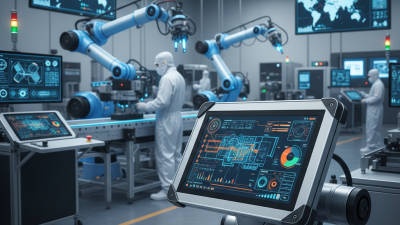
A Panel PC is a compact computer system integrated into a display. This device combines a touchscreen monitor and a computer in one unit. Typically, it's designed for various industries, including manufacturing, healthcare, and retail. Sleek and efficient, a Panel PC can operate in harsh environments. It often withstands dust and moisture, making it ideal for factory floors.
Panel PCs enhance workflow by providing real-time data access. Employees can interact directly with the software through the touchscreen. This reduces errors and improves efficiency. But, there are challenges. Not all Panel PCs are created equal. Some may not offer enough processing power for demanding applications. Users might find themselves facing limitations.
In healthcare, a Panel PC can streamline patient records management. Doctors and nurses benefit from quick access to data at the bedside. However, privacy concerns arise. Sensitive information needs protection to comply with regulations. In retail, these devices assist with inventory management and customer service. Yet, if not user-friendly, they may frustrate staff instead of helping them. This balancing act is crucial for success.
What is a Panel PC and How Does it Benefit Various Industries
| Industry |
Application |
Benefits |
Panel PC Features |
| Manufacturing |
Machine Control |
Increased productivity, real-time monitoring |
Durability, touchscreen interface |
| Healthcare |
Patient Management Systems |
Improved patient care, easy access to information |
Hygienic design, portability |
| Retail |
Point of Sale (POS) |
Enhanced customer experience, efficient checkout |
Compact design, multi-touch support |
| Transportation |
Fleet Management |
GPS tracking, route optimization |
Rugged build, connectivity options |
| Hospitality |
Guest Check-in Systems |
Streamlined operations, better guest satisfaction |
Intuitive UI, security features |
Key Components of a Panel PC
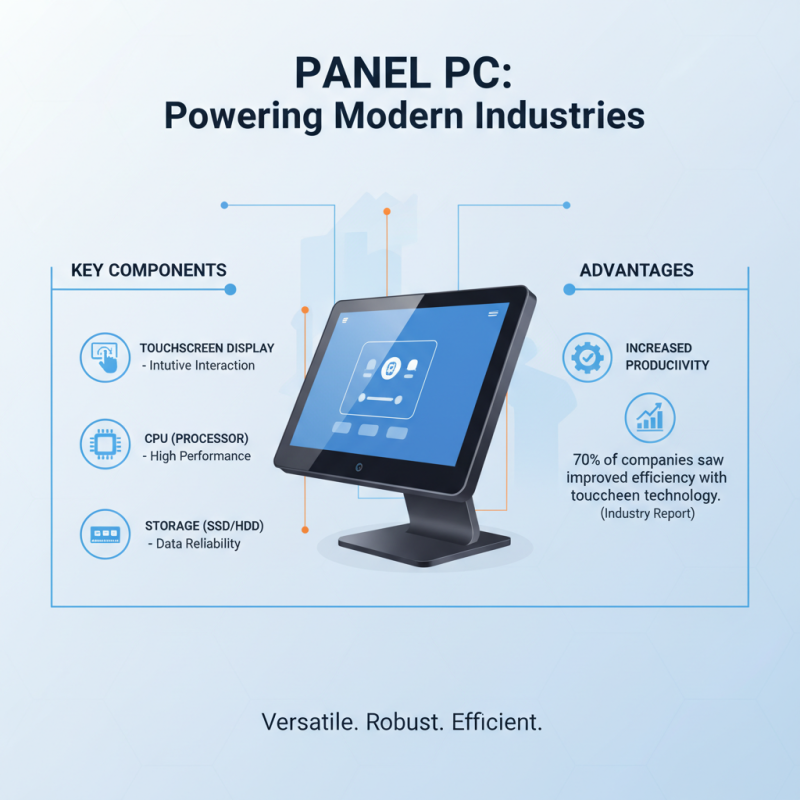
A Panel PC is a versatile device used in various industries. Understanding its key components can illustrate its advantages. Typically, a Panel PC consists of a touchscreen display, a central processing unit (CPU), memory, and storage. The touchscreen allows for intuitive interactions, reducing training time for employees. According to a recent industry report, 70% of companies that adopted touchscreen technology saw increased productivity.
The CPU is vital. A powerful CPU ensures smooth operations, especially in data-heavy environments like manufacturing and logistics. The memory integrates with the CPU to handle multitasking effectively. Interestingly, 60% of users report that faster processing speeds led to enhanced workflow efficiency. In critical sectors, hardware reliability is as essential as speed.
Storage options also matter. Solid-state drives (SSDs) provide speed, while traditional hard drives offer larger capacities. The choice between them can reflect organizational priorities. In some cases, companies struggle to balance speed with storage needs. As industries evolve, the integration of these components will shape the future of workplace technology. Adapting to these changes presents challenges but also opportunities for growth.
Advantages of Panel PCs in Industrial Settings
Panel PCs offer remarkable advantages in industrial settings. They combine a display and computer into one cohesive unit. This integration saves space and simplifies equipment setups. In industries such as manufacturing, they facilitate real-time monitoring of processes. Users can interact directly with the touchscreen, enhancing efficiency.
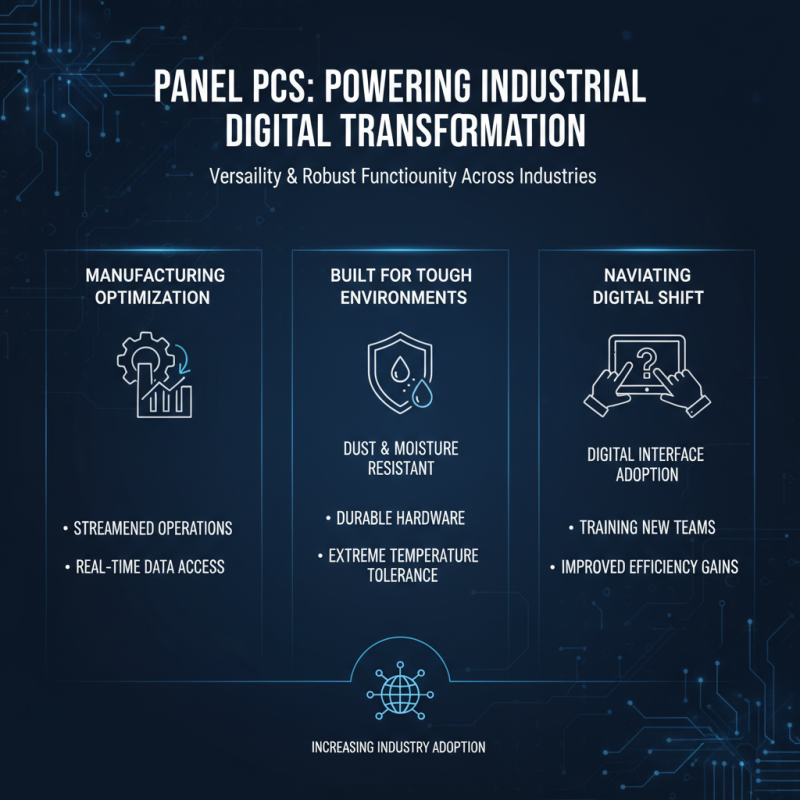
Durability is a standout feature. Many panel PCs are designed to withstand harsh environments. They resist dust, moisture, and temperature fluctuations. This resilience helps reduce downtime, which is critical for productivity. However, some businesses may find it challenging to maintain optimal conditions for these devices.
Moreover, panel PCs often support various industrial protocols. This capability allows seamless integration with existing systems. Yet, this flexibility might come at a cost. Small companies could struggle to afford the investments needed. Despite the challenges, the potential benefits make panel PCs an attractive option for many industries.
Applications of Panel PCs Across Different Industries
Panel PCs are increasingly popular in various industries due to their versatility and robust functionality. In manufacturing, they streamline operations. This technology can endure harsh environments with dust and moisture. Operators can access real-time data, improving efficiency. Yet, some teams struggle with the shift to digital interfaces.
In healthcare, these devices enhance patient care. Medical staff use touchscreens for quick access to patient records. This can reduce errors and speed up treatments. However, adapting to new technology might take time. Staff training is essential to maximize the benefits.
Retail environments also benefit from panel PCs. These devices simplify inventory management and point-of-sale operations. They provide an interactive shopping experience for customers. Still, businesses must consider the cost versus benefits. Balance is key in ensuring investments pay off.
Future Trends in Panel PC Technology and Usage
The panel PC market is evolving rapidly. With a projected compound annual growth rate (CAGR) of 6.8%, it is set to reach $4.2 billion by 2026. This growth indicates a rising demand in various sectors, from manufacturing to healthcare. Industries are recognizing the advantages of integrating panel PCs into their operations.
One significant trend is the development of touchscreen interfaces. These intuitive designs enhance user interaction, making it easier for workers to access information quickly. Industries implementing touchscreen panel PCs report increased efficiency and reduced training time. However, compatibility with existing systems can be a challenge. Organizations must ensure smooth integration to fully realize the benefits.
**Tip:** Before transitioning to panel PCs, assess your existing workflow. Focus on how the technology can address specific pain points.
Another emerging trend is the incorporation of IoT technology into panel PCs. This integration allows for real-time data collection and analysis, improving decision-making processes. For instance, businesses can monitor equipment health and performance remotely. Companies need to prioritize data security as IoT devices can be vulnerable.
**Tip:** Conduct regular security audits on your panel PC systems. It's vital to stay ahead of potential threats to safeguard your data.
As industries continue to adapt, the potential for panel PCs is immense. Fostering innovation and addressing challenges will determine how effectively these tools enhance productivity in the future.
Panel PC Usage Across Various Industries (2023)