Maximizing Impact with LED Poster Display Technology?
In today’s digital landscape, the potential of LED Poster Displays is immense. John Smith, a leading expert in display technology, emphasizes, “The future of advertising lies in the vibrancy of LED screens.” This statement resonates deeply in a world where visual engagement is key.
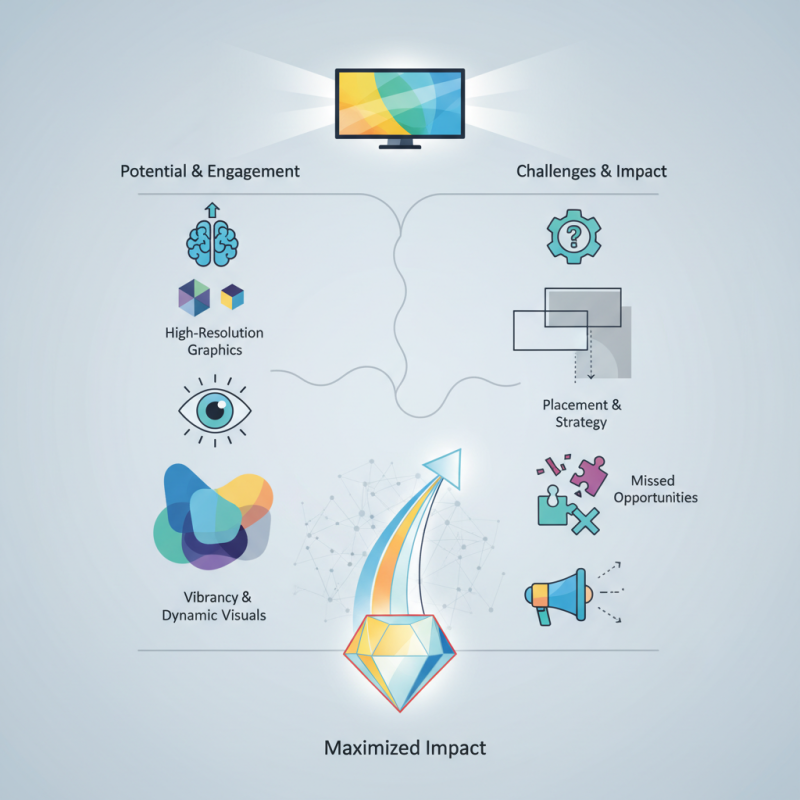
LED Poster Displays offer dynamic, eye-catching visuals that captivate audiences. High-resolution graphics and stunning colors can turn any space into an engaging environment. Businesses are increasingly utilizing these displays to communicate messages effectively.
However, maximizing the impact of LED Poster Displays is not straightforward. Many companies still struggle with placement and content strategy. Misjudged locations or uninspiring designs can lead to missed opportunities. Careful consideration must be given to both the message and its delivery for real impact.
Maximizing the Visibility of Brands with LED Poster Displays
In today's crowded marketplace, brand visibility is paramount. LED poster displays offer a vibrant and dynamic solution to capture the attention of passersby. The bright colors and captivating animations draw in viewers, making it hard for them to look away. These displays are not just eye-catching; they also convey messages quickly and effectively.
Imagine a busy street where traditional billboards struggle to stand out. LED displays shine brightly, using motion and color to communicate brand messages. However, achieving the right balance can be tricky. Overly flashy graphics may distract rather than engage. It’s crucial to keep designs simple yet impactful. Consider how images and text blend cohesively.
Moreover, while technology improves visibility, the over-reliance on screens can backfire. Audiences often seek authenticity. There’s a fine line between innovation and overwhelming your target market. Regularly evaluating content can help brands stay relevant. Seeking feedback from observers might also shed light on missed opportunities. In the end, it's about connecting deeply, not just shining brightly.
Enhancing User Engagement through Interactive LED Poster Technologies
Interactive LED poster technology is revolutionizing the way we engage with audiences. These dynamic displays draw attention instantly. Bright colors and moving images spark curiosity. Users are encouraged to interact, creating memorable experiences. Touch screens allow real-time feedback. This immediate connection can deepen engagement.
However, the implementation is not without challenges. Designing intuitive interfaces can be complex. Meeting diverse audience needs requires research and empathy. Some may find these technologies overwhelming. Clear instructions are often necessary. Additionally, ensuring content stays fresh is vital. Stagnant displays can lead to disengagement. A rotating schedule of content may help.
Finally, measuring success remains tricky. Metrics for user interaction aren’t always clear. Feedback loops must be established to improve experiences continually. Gathering insights from users can guide future enhancements. Overall, leveraging interactive LED technology can significantly heighten user engagement, but it demands careful planning and adaptability.
Evaluating Cost-Effectiveness of LED Displays in Marketing Campaigns
LED displays have become essential in modern marketing strategies. They capture attention with vivid colors and dynamic content. Many businesses are exploring their cost-effectiveness. Can these displays truly deliver a good return on investment?
The initial setup cost of LED displays can be high. However, their longevity and low maintenance can offset these expenses. Consider the energy savings, too. LED technologies consume less power, reducing bills over time. Brands must evaluate if this trade-off aligns with their budget.
Yet, not every campaign has benefited equally. Some displays may not generate the desired foot traffic or sales. Testing is crucial before committing to large-scale installations. Analyzing performance metrics helps refine future decisions. Reflecting on past efforts can guide better choices, ensuring your investment maximizes impact.
Measuring the Impact of LED Display Technology on Consumer Behavior
LED display technology deeply influences consumer behavior. Research shows that visually engaging displays can increase sales by over 30%. Bright, colorful visuals capture attention instantly. A study by the Digital Signage Federation found that 76% of consumers enter a store attracted by a digital display. This impact is hard to ignore.
Yet, the effectiveness of LED displays isn't universally positive. Some studies indicate that too much motion or brightness can overwhelm shoppers. A poorly designed display can distract instead of educate. It's crucial for businesses to find a balance. The right amount of motion keeps consumers engaged, but excessive flashing can lead to annoyance. Consumer retention depends on thoughtful design.
Foot traffic statistics are impressive. For instance, a well-placed LED sign can boost foot traffic in retail locations by as much as 20%. However, are brands monitoring the hitting point of saturation? Repeating the same visuals can dull consumer interest. An evolving display strategy is vital, ensuring that content remains fresh and relevant.
Recent Industry Trends and Projections for LED Poster Display Growth
The LED poster display market is witnessing significant growth. Research indicates a projected compound annual growth rate (CAGR) of 12.4% from 2023 to 2028. This trend is fueled by increasing demand for digital signage across retail, hospitality, and transportation sectors. Businesses are adopting LED displays for their versatility and striking visuals.
Key industry statistics highlight the shift towards more interactive and engaging advertising solutions. Reports show that around 68% of consumers remember messages displayed on digital screens. Advertisers are taking notice. They are investing more in LED technologies to capture audience attention. Yet, not all installations yield expected results. There is a gap between technology deployment and strategic implementation. Companies must reflect on their effectiveness.
Emerging technologies, such as AI and real-time data integration, show promise for enhancing user experience. However, the adoption rate remains uneven. About 35% of organizations are still hesitant to incorporate these advanced features. Challenges include costs and the need for trained personnel. The future of LED poster displays depends on how quickly these hurdles can be overcome.