Why Invest in Industrial Metal Detectors for Your Business?
Investing in Industrial Metal Detectors is crucial for modern businesses. These devices play a vital role in enhancing product safety and quality. According to a 2022 report by MarketsandMarkets, the global market for metal detectors is expected to reach $5.9 billion by 2026, growing at a CAGR of 7.4%. This growth highlights the increasing need for businesses to protect their products and minimize recalls.
Industrial Metal Detectors ensure compliance with safety regulations. In sectors such as food and pharmaceuticals, metal contamination can lead to serious health risks. A 2023 study indicated that 30% of product recalls were due to foreign contaminants. Investing in reliable metal detection technology can mitigate such risks, reduce liability, and enhance brand reputation.
However, not all metal detectors are created equal. Businesses must assess their specific needs and consider factors such as sensitivity and detection range. The right choice can be challenging. Misjudging requirements may lead to costly mistakes. Companies should prioritize thorough research and professional guidance when selecting industrial metal detectors, ensuring they maximize both safety and efficiency.
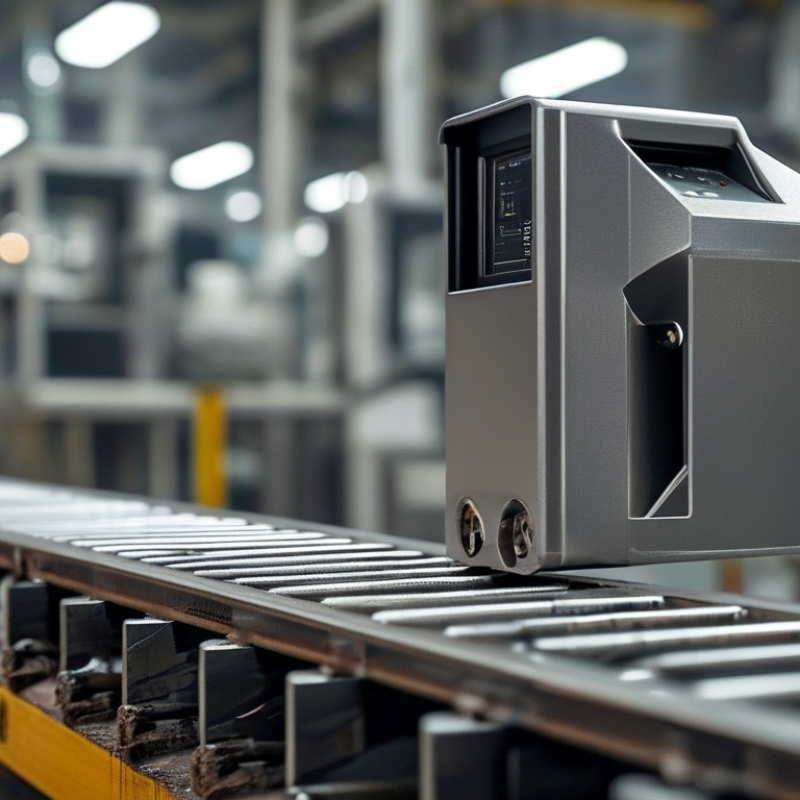
Key Benefits of Investing in Industrial Metal Detectors
Investing in industrial metal detectors can yield significant advantages for your business. These devices enhance product safety by detecting harmful metal contaminants. This feature is crucial in industries like food processing, pharmaceuticals, and packaging. The presence of metal can compromise the integrity of your products. Ensuring safety not only protects consumers but also boosts brand trust.
Another benefit is compliance with industry regulations. Many sectors must adhere to strict quality standards. Metal detectors help businesses meet these requirements efficiently. This can prevent costly fines and recalls, saving you time and resources. Moreover, they can streamline production processes. Detecting metal contaminants early reduces the chances of product loss.
However, it's essential to consider initial costs and ongoing maintenance. Some businesses overlook proper training for staff. This can lead to underutilization of equipment. Regular updates and checks are also vital for optimal performance. Investing in industrial metal detectors can bring numerous benefits, but assessing your specific needs is crucial.
Why Invest in Industrial Metal Detectors for Your Business? - Key Benefits of Investing in Industrial Metal Detectors
| Benefit | Description | Impact on Business |
| Enhanced Product Quality | Detects and removes metal contaminants, ensuring higher product standards. | Increases customer satisfaction and reduces returns. |
| Compliance with Regulations | Helps businesses meet industry safety standards and regulations. | Avoids fines and legal issues, promoting a safer work environment. |
| Cost Savings | Reduces production waste and product recalls by detecting contaminants. | Lowers operational costs and improves profit margins. |
| Operational Efficiency | Streamlines production lines by integrating detection systems. | Increases throughput and minimizes downtime. |
| Brand Reputation | Demonstrates commitment to quality and safety. | Enhances brand image and fosters customer loyalty. |
How Industrial Metal Detectors Enhance Product Safety and Quality
Industrial metal detectors play a crucial role in ensuring product safety and quality across various industries. A recent report by the Global Food Safety Initiative indicates that over 75% of food recalls are due to contamination. This highlights the increasing need for businesses to adopt advanced detection technologies. Metal detectors can identify hazardous contaminants, such as metallic fragments, that may compromise product integrity. Implementing these devices helps to mitigate risks and protects both consumers and brand reputation.
Tips for selecting the right metal detector include assessing your specific production needs. Factors like product type and production speed are vital. Utilize detectors that are highly sensitive and can detect even the smallest metal particles. Regularly calibrating and maintaining the detectors is essential for peak performance. Data from the International Association of Food Protection suggest that an effective detection system can reduce product recalls by up to 30%.
Incorporating industrial metal detectors can enhance product quality consistency. They ensure that products meet regulatory standards, which is crucial for market access. However, not all systems provide the same level of efficacy. It’s essential to evaluate the technology and choose one that aligns with industry best practices. Remember, investing in the right equipment reflects your commitment to quality and consumer safety.
Cost-Effectiveness of Implementing Industrial Metal Detection Systems
Investing in industrial metal detectors can enhance operational efficiency. These systems are designed to identify metal contaminants in products. Ensuring product integrity saves costs related to recalls and damaged reputations. Companies often overlook the financial impact of undetected metal contamination. Recovery from such incidents can be costly and time-consuming.
Implementing metal detection systems offers a competitive edge. The initial investment may seem significant. However, the potential savings greatly outweigh the costs. A well-functioning detection system reduces waste and increases product quality. Businesses must consider the long-term benefits, not just up-front expenses. Over time, these systems often pay for themselves through reduced liability.
Despite the clear benefits, some businesses hesitate. They may doubt the technology's effectiveness or fear disruption during installation. Addressing these concerns is vital. Training staff and integrating the systems can be done smoothly, fostering a culture of quality. Continuous evaluation and adaptation will enhance the effectiveness of implemented systems. Ensuring reliability in product safety strengthens relationships with consumers.
Regulatory Compliance and Risk Management with Metal Detectors
Metal detectors play a crucial role in regulatory compliance and risk management for businesses in various sectors. These devices help ensure that products meet safety standards. They detect unwanted contaminants that could compromise product integrity. By integrating metal detectors in your operations, you enhance safety measures. This investment can reduce the risk of costly recalls and ensure consumer trust.
Adhering to industry regulations is essential. Non-compliance can lead to significant fines and reputational damage. Metal detectors provide an efficient way to comply with food safety, pharmaceutical, and manufacturing regulations. They serve as a frontline defense in identifying foreign materials. However, businesses must routinely calibrate and maintain their detectors. Neglecting these practices can lead to false negatives.
Incorporating metal detectors not only mitigates risks but also provides peace of mind. Companies can demonstrate their commitment to quality and safety. Yet, it’s essential to ensure staff are trained properly. A lack of training can reduce the efficiency of these systems. Regular audits and assessments of the detection system can help identify areas for improvement.
Selecting the Right Industrial Metal Detector for Your Business Needs
Selecting the right industrial metal detector can significantly impact your business's efficiency and safety. Industry reports indicate that about 10% of product recalls are due to contaminants such as metal fragments. Ensuring that your production line is equipped with the right detection systems can mitigate these risks.
When choosing a metal detector, consider your production type and materials. For instance, food and pharmaceutical sectors require highly sensitive detectors to meet stringent safety regulations. The detection level can vary dramatically based on the application. A report from the Food Safety and Inspection Service highlights that sensitive detectors can identify metal contaminants as small as 0.3 mm.
Moreover, installation and maintenance shouldn't be underestimated. Regular calibration is essential to maintain accuracy. Reports suggest that improper maintenance can lead to a detection failure rate of 15%. Invest time in training your staff to use these systems correctly. This decision can ultimately save your business from costly errors and enhance your brand’s reputation in the market.


