

Choosing the best Terrain Cart in 2026 requires more than comparing prices, motor wattage, or advertised range. The right model must match the ground, workload, climate, and operator. A cart crossing wet grass, gravel paths, and steep service roads faces very different demands from one used on paved facilities.
Industry research supports this broader view. Grand View Research identifies continued growth in the global golf cart market, driven by electric mobility, commercial facilities, tourism, and low-speed transport. MarketsandMarkets also reports expanding interest in electric off-road vehicles, especially where operating costs and emissions matter. These reports offer useful direction, but market forecasts are not buying instructions. They can overlook local terrain and maintenance realities.
A practical evaluation should begin with payload, ground clearance, tire design, braking performance, turning radius, and battery protection. Check whether the stated range reflects flat, dry conditions. Usually, it does. A 48-volt lithium battery may deliver efficient daily use, while a sealed lead-acid system can remain attractive where purchase budgets are tight. The U.S. Department of Energy’s Alternative Fuels Data Center provides reliable guidance on charging behavior, battery technology, and electric-vehicle efficiency.
Safety also deserves measured attention. Models aligned with recognized industry guidance, such as ANSI/ITSDF B56.8 for industrial personnel and burden carriers, offer a stronger starting point. Still, certification does not replace operator training or site inspection. Walk the route before choosing. Measure the slope. Imagine the cart carrying a full load after rain. That small test may reveal more than a glossy brochure.
Some specifications look impressive. Real conditions decide.
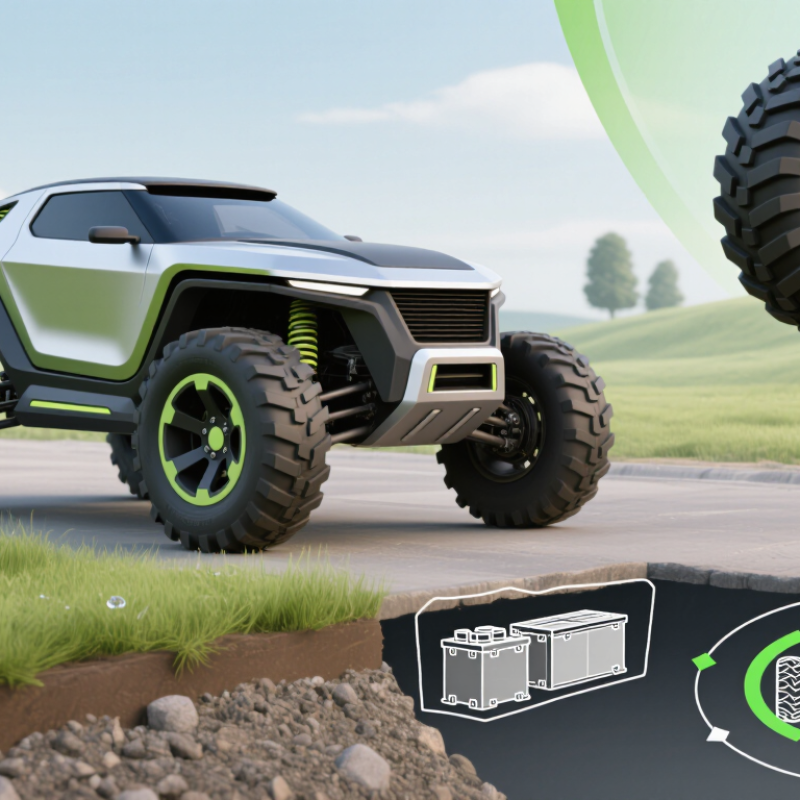
Terrain carts are not one universal machine. A utility cart carries tools, fencing, or supplies across farms, campuses, and construction sites. A passenger terrain cart prioritizes seating, handholds, suspension, and controlled speed. A compact cargo model fits narrow trails but sacrifices load volume. Remote or autonomous carts suit repetitive deliveries, although their sensors can struggle in mud, glare, and loose gravel.
Intended use should guide every specification. For steep ground, choose four-wheel drive, low-range gearing, and tires with deep, self-cleaning tread. For warehouse-to-field transport, compare payload, turning radius, braking, and ramp angles.
The 2024 OSHA powered-industrial-truck report notes about 35,000 serious injuries annually in the United States. Terrain carts are not identical to forklifts, but the warning remains relevant: stability matters more than advertised speed.
Market data also deserves careful reading. Grand View Research reported continued growth in the global utility vehicle sector, driven by agriculture, construction, and outdoor recreation. However, market growth does not prove that every cart fits your route.
Measure a real path. Record its slope, ruts, standing water, and average load. Then match those conditions with the cart’s rated capacity and ground clearance. A heavier frame may feel safer, but it can sink into wet soil. That trade-off is easy to miss.
Safety standards such as ANSI/ITSDF B56.8 can support evaluation, yet operator training and daily inspections remain essential.
Choosing a terrain cart starts with its real working load. Check the rated capacity, then measure your usual gear. Add extra weight for water, tools, and uneven movement. A cart carrying 100 kilograms on pavement may struggle on a slope. Numbers can mislead. Heavy items should sit low and near the axle. This arrangement reduces tipping and makes pushing easier. In practical field checks, small overloads often create large handling problems.
Stability depends on wheelbase, frame width, and center of gravity. Look for a broad stance and a rigid frame that does not twist under pressure. Test the cart with weight inside, not empty. Push it across a slope and stop suddenly. Does it lean, roll, or pull sideways? A reliable braking system matters on loose ground. I once preferred a lighter cart, but its narrow wheels became unstable beside a drainage ditch. That choice needed more thought.
Terrain compatibility comes from wheel design and ground clearance. Large, deeply treaded wheels handle gravel, mud, and wet grass better than small smooth wheels. Softer tires may improve traction, though they can demand more maintenance. For sand, wider wheels distribute pressure and reduce sinking. Check the route carefully. Steps, roots, and sharp stones expose weak joints quickly. A cart that performs well in a garden may fail on a rocky trail. Reassess your conditions each season, because rain and frost can change the ground dramatically.
How to Choose the Best Terrain Cart in 2026?
Compare Power Systems, Range, and Operating Performance
Choosing a terrain cart starts with its power system, not its appearance. Electric systems provide quiet torque and smooth control on steep paths. Lithium batteries usually reduce weight and offer faster charging. Lead-acid batteries cost less, but they need more maintenance and careful charging. Combustion systems can support long working periods, especially where charging access is limited. They are louder and require fuel, filters, and routine engine checks. That difference matters.
Range figures need careful interpretation. Manufacturers may measure range on flat ground with light loads. Real terrain adds slopes, mud, passengers, and repeated stops. Ask for test conditions before trusting a number. I once overestimated range during a hillside inspection. The cart returned with little battery reserve. That experience changed my buying checklist. Compare usable range, recharge time, payload capacity, and spare battery options. A dashboard showing remaining power is useful, but it is not perfectly precise.
Operating performance depends on more than speed. Look for strong ground clearance, stable suspension, progressive braking, and responsive steering. Wide tires can improve traction, yet they may increase rolling resistance. Check how easily the cart turns between trees or reaches narrow storage areas. Controls should remain clear when gloves are wet. Service access also matters. Difficult battery or belt access can turn simple maintenance into lost work hours. Test the cart on your actual route, with its normal load, before making a final decision.
Choosing the best terrain cart in 2026 requires more than checking motor power. Safety controls and user comfort often decide whether a cart performs well on slopes, gravel, or wet ground. The World Health Organization’s Global Status Report on Road Safety 2023 reports about 1.19 million annual road deaths worldwide. A terrain cart is not a road vehicle, but this figure reinforces the value of controlled speed, reliable braking, and clear operator visibility. Look for an emergency stop, automatic braking on inclines, bright lighting, and stable weight distribution. ISO 3691-4:2020 also emphasizes risk reduction for driverless and pedestrian-controlled industrial vehicles.
Controls should remain usable with gloves, rain, or limited hand strength. Test the throttle at walking speed. Check whether reversing requires a deliberate action. A display showing battery level, load warnings, and fault alerts reduces guesswork. Comfort matters during long routes. Adjustable handles, low vibration, soft grips, and a platform that suits different heights can reduce strain. The U.S. Bureau of Labor Statistics continues to identify overexertion and repetitive motion among major causes of workplace injuries. That evidence supports ergonomic design, although one report cannot predict every user’s experience.
Tips: Walk the cart over its real route before purchasing. Place the usual load inside. Test turning beside a wall, not just on a showroom floor. I would also record stopping distance on dry and damp surfaces. Small controls can feel convenient at first, yet become tiring after an hour. That detail is easy to miss.
| Terrain Cart Type | Recommended Use | Typical Load Capacity | Drive Configuration | Safety Features to Check | Control Design | Ride Comfort | Typical Ground Clearance | Recommended Terrain | Key Limitation |
|---|---|---|---|---|---|---|---|---|---|
| Compact Utility Cart | Light gardening, property maintenance, and short-distance material transport | Approximately 225–450 kg, including operator and cargo | Two-wheel drive; rear-wheel or front-wheel drive depending on configuration | Medium Mechanical parking brake, speed limiter, guarded moving parts, and stable cargo bed | Handlebar or thumb-throttle controls; simple forward and reverse selector | Medium Upright standing position or basic padded seat; limited suspension | Approximately 100–180 mm | Firm grass, gravel paths, compact soil, and gently sloped ground | Less stable and less comfortable on steep, rocky, or deeply rutted surfaces |
| Tracked Crawler Cart | Construction work, forestry access, landscaping, and uneven job sites | Approximately 300–1,000 kg, depending on frame and track size | Rubber tracks with independent left-and-right drive control | High Low center of gravity, emergency stop, overload protection, track guards, and controlled descent capability | Independent steering levers or joystick; variable-speed travel control | Medium Good stability, but vibration can be noticeable on hard ground | Approximately 150–250 mm | Mud, loose soil, slopes, gravel, and uneven construction surfaces | Slower on paved surfaces and may cause greater ground disturbance |
| Four-Wheel Electric Utility Cart | Estates, campuses, resorts, warehouses, and routine maintenance routes | Approximately 450–900 kg, including passengers and cargo | Two-wheel or four-wheel drive; electric motor with rechargeable battery pack | High Hydraulic or electric braking, seat belts, headlights, reverse alarm, battery protection, and parking brake | Steering wheel, accelerator pedal, brake pedal, gear selector, and dashboard indicators | High Bench seating, padded backrest, lower vibration, and optional suspension | Approximately 120–220 mm | Maintained grass, paved routes, packed gravel, and moderate inclines | Range and hill performance decrease with heavy loads, cold weather, or rough terrain |
| All-Terrain Cargo Carrier | Remote-site logistics, farm work, trail maintenance, and heavy cargo hauling | Approximately 500–1,500 kg, depending on payload configuration | Four-wheel drive with low-range gearing or hydrostatic drive | High Rollover protection structure, seat belts, hydraulic brakes, differential lock, load restraints, and rollover warnings | Steering wheel or industrial joystick; selectable low-speed work mode | Medium Suspension seat and wide stance improve stability; cab insulation varies | Approximately 200–300 mm | Steep grades, mud, loose aggregate, ruts, and off-road work areas | Higher purchase, maintenance, and transport requirements than compact carts |
| Passenger Terrain Shuttle | Outdoor tourism, parks, campuses, event venues, and accessible transport | Approximately 450–900 kg, including passengers and equipment | Four-wheel drive or rear-wheel drive; electric or hybrid powertrain | High Seat belts, handrails, non-slip floor, audible warning, emergency brake, lights, and passenger grab points | Steering wheel, pedal controls, speed selector, and clearly visible status display | High Padded seats, step-through access, handholds, canopy, and optional weather protection | Approximately 140–220 mm | Park roads, compacted trails, grass, and moderately uneven access routes | Passenger capacity and comfort can decline on severe slopes or highly technical trails |
| Remote-Controlled Work Cart | Hazardous areas, repetitive material movement, agricultural tasks, and restricted-access sites | Approximately 100–750 kg, depending on chassis size | Tracked or four-wheel drive; battery-electric or combustion-powered | High Emergency remote stop, obstacle detection, geofencing, automatic braking, and loss-of-signal shutdown | Handheld controller, proportional joystick, speed presets, and battery or engine status display | Basic No onboard seating; operator comfort depends on controller weight, range, and feedback | Approximately 120–280 mm | Uneven ground, slopes, agricultural fields, and areas unsafe for onboard operation | Requires operator training, reliable communication range, and clear line-of-sight procedures |
How to Choose the Best Terrain Cart in 2026?
Check Maintenance Needs, Budget, and Long-Term Value
Choosing a terrain cart in 2026 requires more than comparing prices. A low purchase cost can hide expensive repairs later. Start with your working conditions, including slopes, loose gravel, mud, and daily load weight. Inspect the frame, tires, suspension, brakes, and steering joints carefully. Look for uneven tire wear, cracked welds, and fluid leaks. These details often reveal poor maintenance.
Ask for a clear service history and replacement-part costs. Maintenance should fit your available time and technical skills. A grease fitting is useful. A sealed system may reduce routine work. However, sealed parts can cost more when they fail. Check battery replacement intervals, charging equipment, and motor accessibility. A technician’s inspection before purchase is money well spent.
Build a three-year budget before deciding. Include fuel or electricity, tires, lubrication, storage, insurance, and unexpected repairs. I once underestimated tire wear on rocky ground, and the budget changed quickly. That mistake matters. Compare total ownership costs, not only the invoice. A durable cart with simpler maintenance may offer better long-term value. Review warranty limits, local service access, and likely resale demand. A cheap cart becomes costly when downtime interrupts work. Choose carefully, but leave room for imperfect estimates.

