What is a Golf Cart and How Can it Benefit Your Business?
A Golf Cart is more than just a compact vehicle for transporting players on a golf course. It has emerged as a versatile tool for various businesses. Many industries find value in its flexibility. Golf Carts are silent, eco-friendly, and efficient, making them perfect for tasks in crowded spaces.
Consider a resort that uses Golf Carts to shuttle guests between locations. This not only enhances guest experience but also improves staff efficiency. Retail establishments also benefit from Golf Carts for quick inventory deliveries across large parking lots. The compact nature allows easy navigation in tight spots.
However, not all businesses leverage the potential of Golf Carts. Some may hesitate, fearing high costs or maintenance issues. Understanding the various applications of a Golf Cart can lead to a reassessment. They can enhance productivity and foster a smoother workflow. Investing in a Golf Cart might be an overlooked opportunity for growth.
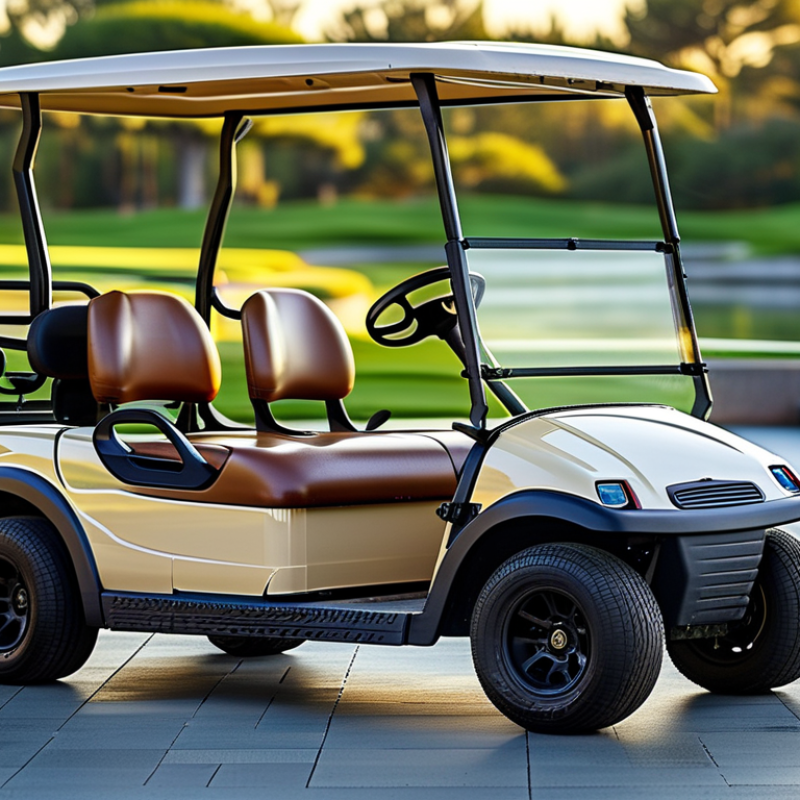
What Is a Golf Cart: Definition and Common Uses in Various Industries
Golf carts are versatile vehicles commonly associated with golf courses. However, their applications extend far beyond the fairways. According to a report by the National Golf Foundation, the U.S. golf industry alone generates over $84 billion annually. Many businesses leverage golf carts for operational efficiency and cost savings.
In various industries, golf carts are invaluable. In large warehouses, they help transport goods quickly. Facilities like parks and large resorts use them for efficient guest services. A study from IBISWorld highlights that the demand for Electric Golf Carts has surged, with anannual growth rate of 5.2% in recent years. This reflects a shift towards eco-friendly solutions and energy efficiency.
Importantly, relying solely on golf carts presents challenges. Maintenance can be costly if not managed properly. Staff training is crucial for safe operation. Businesses must weigh the benefits of enhanced mobility against potential pitfalls. Addressing these concerns helps ensure that investment leads to meaningful returns in productivity and service.
Historical Evolution of Golf Carts and Their Transition to Commercial Use
Golf carts have come a long way since their inception in the 1950s. Initially designed for golfers, these small electric vehicles are now common in various commercial settings. According to a report by IBISWorld, the global golf cart market was valued at approximately $1.3 billion in 2021 and is expected to witness steady growth. This shift from recreational use to a broader application is particularly notable in industries such as tourism, hospitality, and even real estate.
The versatility of golf carts allows businesses to adapt them for various operational needs. In resorts and large properties, golf carts enhance mobility, making it easier for staff to transport goods and guests. A 2022 study published by MarketsandMarkets reveals that the adoption of electric carts can reduce operational costs by over 30% compared to traditional vehicles. Yet, the transition isn’t without challenges. Businesses must consider factors like battery life and maintenance, which can impact overall efficiency.
As more industries recognize their potential, golf carts are evolving. Their capacity for customization can lead to innovative solutions tailored to specific business needs. However, businesses must evaluate both benefits and limitations. While golf carts offer cost-saving potential, the right infrastructure is crucial for maximizing effectiveness. The journey has just begun.
What is a Golf Cart and How Can it Benefit Your Business? - Historical Evolution of Golf Carts and Their Transition to Commercial Use
| Year | Event | Impact on Golf Carts | Commercial Use Examples |
| 1951 | First Electric Golf Cart Introduced | Increased accessibility for golfers | Used in golf courses to transport players |
| 1970s | Golf Carts Gain Popularity | Transition from a luxury to a necessity | Commercial transportation at events |
| 1990s | Emergence of Custom Golf Carts | Personalization boosts appeal | Resorts using customized carts for guests |
| 2000s | Hybrid and Solar-Powered Models Released | Shift towards sustainability | Eco-friendly transportation solutions |
| 2020s | Expansion into Various Industries | Versatile utility in business operations | Used in construction sites, large events, and gated communities |
Key Benefits of Golf Carts for Businesses: Cost Savings and Efficiency
Golf carts are increasingly popular among businesses for their impressive cost savings and efficiency. These vehicles offer an ideal solution for moving employees and goods across large properties. With lower operating costs compared to traditional vehicles, golf carts help businesses save on fuel and maintenance. They are also eco-friendly, reducing carbon footprints in a world that values sustainability.
One key benefit of using golf carts is their versatility. Many businesses, from resorts to large corporate campuses, can utilize golf carts effectively. These vehicles are not only efficient but also help streamline operations. Employees can easily navigate between departments, enhancing communication and productivity. However, reliance on golf carts may require companies to assess their actual transportation needs carefully. Overuse can lead to unnecessary expenses.
Training staff to operate these carts safely is essential. Proper usage minimizes accidents and promotes a safe environment. Employers should consider the specific requirements of their workforce when implementing golf carts. Crafting the right policies for their use can be challenging. Balancing efficiency with safety is crucial as businesses grow and evolve.
Statistics on Golf Cart Utilization in Golf Courses and Resort Management
Golf carts are widely used in golf courses and resorts. Statistics show that over 60% of golf courses utilize these vehicles to enhance guest experiences. They provide convenient transportation across large areas, improving accessibility for players and visitors alike. Many resorts also use golf carts to shuttle guests between amenities, such as pools, restaurants, and recreational areas.
The benefits extend beyond convenience. Data indicates that courses with golf carts experience increased rounds played by 15-20%. This boost can significantly impact a business's revenue. However, reliance on golf carts may also lead to environmental concerns. It's important to balance transportation efficiency with sustainability goals.
Some businesses have experimented with electric golf carts to address this issue. Yet, the upfront costs can be a deterrent. It's essential to evaluate the long-term benefits versus initial investments. In the ever-evolving landscape of hospitality management, finding this balance is a continual challenge.
Environmental Impact of Golf Carts Compared to Traditional Vehicles in Business
Golf carts are becoming an effective solution for businesses seeking to reduce their environmental footprint. The use of electric golf carts can significantly lower carbon emissions compared to traditional gasoline vehicles. According to a report by the U.S. Department of Energy, electric vehicles produce zero tailpipe emissions. This is particularly advantageous in settings like large campuses, resorts, and urban developments, where maintaining air quality is crucial.
The energy efficiency of golf carts is noteworthy. They typically consume less energy per mile compared to standard cars. A study from the National Renewable Energy Laboratory indicates that electric golf carts can operate at about four times the efficiency of conventional vehicles. This level of efficiency translates into lower operating costs for businesses. However, the upfront costs and charging infrastructure need consideration. Companies should assess if the return on investment aligns with their sustainability goals.
Adopting golf carts can also shape customer perception. Businesses may appear more eco-conscious. Yet, some might argue that the initial shift requires planning and adjustment. For example, integrating charging stations and training staff can present challenges. Overall, while electric golf carts offer clear environmental benefits, the transition period should not be underestimated.


