Why Are Flexible PCBs Essential for Modern Electronics?
In today’s fast-paced technological landscape, Flexible Pcbs have emerged as vital components in modern electronics. These printed circuit boards, characterized by their pliability, allow for unique device designs. They can be molded to fit various shapes, making them essential for compact gadgets. Moreover, flexible PCBs reduce weight and space. This leads to lighter electronics, appealing to consumers who value portability.
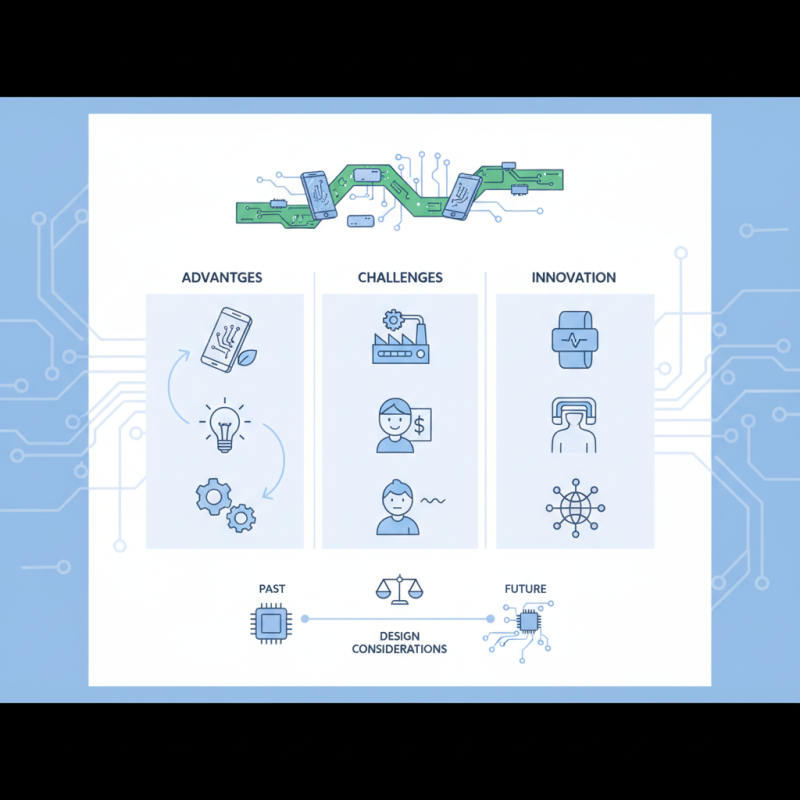
However, the adoption of flexible PCBs brings challenges. Manufacturing procedures can be complex and costly. Design engineers must navigate these issues while ensuring high-performance standards. Additionally, not all devices benefit from flexibility. Some applications still require traditional rigid PCBs. This creates a delicate balance that engineers must consider.
The versatility of flexible PCBs opens doors to innovation. New applications in wearables and medical devices showcase their importance. As we move forward, understanding their role will be crucial for future advancements. Exploring these aspects reveals both opportunities and limitations that the industry must confront.
The Definition and Composition of Flexible PCBs
Flexible printed circuit boards (PCBs) are revolutionizing modern electronics. Their design allows for bendable and lightweight structures, making them ideal for compact devices. A typical flexible PCB consists of a substrate layer, usually made of polyimide, copper layers for electrical conductivity, and protective coatings. This composition not only ensures durability but also enhances the PCB's performance in harsh conditions.
Data shows that the flexible PCB market is projected to grow significantly. According to a recent industry report, the global flexible PCB market is expected to reach $25 billion by 2025. This growth is driven by increasing demand for portable electronics and wearable devices. The lightweight nature of flexible PCBs enables designers to create compact and efficient products.
Tips: When designing flexible PCBs, consider thermal performance. The materials used can impact heat dissipation. Proper heat management is essential for reliability. Also, evaluate the number of layers needed. More layers provide better performance but may lead to increased complexity. Balance is key for effective PCB design.
Key Advantages of Flexible PCBs in Modern Electronics
Flexible printed circuit boards (PCBs) have transformed modern electronics with their unique capabilities. These thin, lightweight circuits can bend and fit into various shapes. This flexibility allows for more compact designs in smartphones and wearables. Engineers appreciate the ability to create intricate layouts without sacrificing performance.
One major advantage is their resilience. Flexible PCBs can withstand stress during installation and use. They are less prone to breakage than traditional rigid PCBs. This durability can lead to longer lifespans for devices. But not all designs seamlessly integrate this technology. Careful planning is crucial to avoid circuit failures.
Tips: When designing with flexible PCBs, consider the bending radius. A tight bend may cause damage. Allow adequate space for movement.
Another benefit is the potential for reduced manufacturing costs. Fewer components often lead to lower assembly costs as well. However, this low-cost advantage can be misleading. Quality control is vital in ensuring reliability.
Tips: Always prototype your designs. Testing can reveal flaws before mass production. Early modifications can save time and money later on.
Applications of Flexible PCBs in Various Industries
Flexible printed circuits (FPCs) play a crucial role in modern electronics. Their adaptability makes them invaluable across various industries. In consumer electronics, for instance, FPCs enable compact designs in smartphones and wearable devices. Their ability to bend and shape allows manufacturers to create thinner gadgets. According to a recent market report, the flexible PCB market is anticipated to grow at a CAGR of 11.5% from 2021 to 2026.
In the automotive sector, FPCs are essential for advanced driver-assistance systems (ADAS) and electric vehicles. Their lightweight and flexible nature helps reduce the overall weight of vehicles, improving fuel efficiency and performance. Many modern cars use more than 100 meters of flexible circuitry in their systems. This integration significantly enhances electronic functions, including navigation and entertainment.
**Tip:** When designing with flexible PCBs, ensure your team is knowledgeable about material limitations. Durability and temperature resistance are key factors that can affect performance.
Flexible PCBs are also utilized in medical devices. They contribute to miniaturization, enabling life-saving technology like portable diagnostic tools. Observing market trends, it’s clear that nearly 30% of medical devices now incorporate some form of flexible circuitry.
**Tip:** Always consider the end-use environment for your flexible PCBs. Factors like humidity and exposure to chemicals can influence design choices significantly.
Why Are Flexible PCBs Essential for Modern Electronics? - Applications of Flexible PCBs in Various Industries
| Industry | Application | Advantages of Flexible PCBs |
| Consumer Electronics | Smartphones, Tablets | Lightweight, Compact Design |
| Medical Devices | Wearable Health Monitors | Flexibility for Body Contours |
| Automotive | Flexible Display Panels | Durable under Vibration |
| Aerospace | Avionics Systems | Weight Reduction |
| Telecommunications | RFID Tags | Enhanced Signal Integrity |
| Industrial Automation | Robotics | Increased Design Flexibility |
Comparison of Flexible PCBs with Rigid Circuit Boards
Flexible PCBs are revolutionizing modern electronics. They offer distinct advantages over rigid circuit boards. The flexibility allows for creative designs and innovative applications. Devices can be lighter and more compact. This leads to improved efficiency in electronic systems.
Rigid boards lack this versatility. They can be bulky and limited in design. They are often more challenging to fit into smaller devices. A flexible PCB can bend and twist. This adaptability is crucial for wearable technology and compact gadgets.
Tip: When choosing between flexible and rigid PCBs, consider your device's space constraints. A flexible design may be the best fit for smaller environments.
Interestingly, manufacturing flexible PCBs can be more complex. They often require advanced techniques. This means potential delays. Quality control is also harder to manage. You might face issues with signal integrity. Therefore, thorough testing is essential.
Tip: Always evaluate the trade-offs between flexibility and reliability when designing electronic devices. This can help you avoid costly mistakes later.
Future Trends in Flexible PCB Technology and Innovations
Flexible PCBs are reshaping modern electronics with remarkable innovations. According to a recent industry report, the flexible PCB market is projected to reach $36 billion by 2024. This significant growth is driven by the increasing demand for consumer electronics and wearables. Flexible circuits offer lighter weight and space-saving designs that traditional rigid PCBs cannot achieve. As devices become smaller, flexible PCBs are becoming essential. They are ideal for compact environments, enhancing device functionality.
Emerging trends show that manufacturers are focusing on improving materials and production techniques. Advanced substrates are being developed to enhance durability and electrical performance. The integration of smart features into flexible PCBs is also gaining traction. For instance, sensors embedded into flexible circuits are paving the way for innovative applications in healthcare and IoT devices. However, these advancements also highlight the challenges of material costs and manufacturing complexities. As technologies evolve, stakeholders must address these hurdles while pushing the limits of flexibility and performance in PCB design.
Trends in Flexible PCB Technology
This chart illustrates the increasing adoption of flexible PCBs across various sectors from 2018 to 2023, showcasing their rising significance in modern electronics.


