Why is Energy Management Crucial for Global Procurement Success?
Energy Management plays a pivotal role in global procurement success. As organizations strive for efficiency, energy consumption is often overlooked. Yet, it holds significant sway over operational costs and sustainability. Effective energy management can lead to substantial savings. Companies can reduce their carbon footprint while enhancing their brand image.
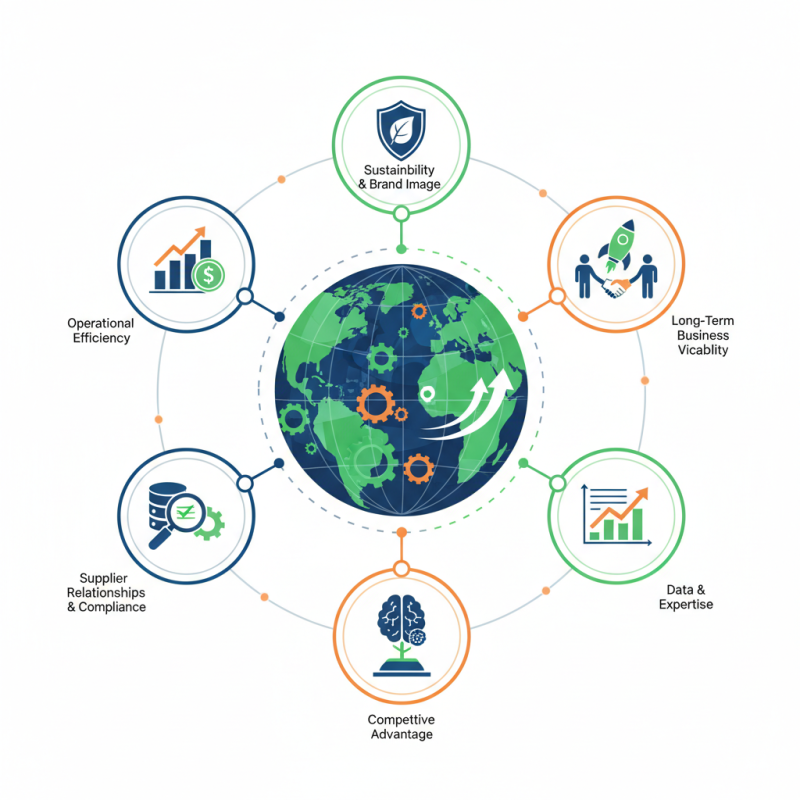
In a world increasingly focused on sustainability, energy management is no longer optional. Companies must adapt their procurement strategies to incorporate energy efficiency. This shift can provide a competitive advantage. Firms that prioritize energy management often experience improved supplier relationships and better compliance with global standards. However, the integration of energy management into procurement requires careful planning and execution.
Many organizations underestimate the complexities involved. They may face challenges such as lack of data or insufficient expertise. Insights from energy management can boost decision-making in procurement. Therefore, building a knowledgeable team is essential. It’s crucial to recognize that energy management impacts not only the bottom line but also long-term business viability.
The Importance of Energy Management in Procurement Strategies
Energy management is becoming a vital aspect of procurement strategies. As organizations strive for sustainability, they recognize that energy efficiency can significantly impact cost reductions. By integrating energy management, companies can optimize their resources, leading to better decision-making and enhanced supplier relationships.
Investing in energy-efficient technologies can seem daunting. However, organizations can start by conducting energy audits. Understanding consumption patterns is essential. These audits help identify areas where energy waste occurs. This is not just about reducing costs; it's about setting a precedent for sustainability.
Tips: Encourage staff training on energy conservation practices. This can foster a culture of awareness and engagement. Additionally, explore partnerships with energy management consultants. They can offer insights that lead to better procurement outcomes. Remember, small changes can make a significant impact.
Key Benefits of Energy Management in Global Supply Chains
Energy management plays a vital role in enhancing the efficiency of global supply chains. According to the Carbon Disclosure Project, logistics account for approximately 14% of global greenhouse gas emissions. This presents a pressing need for companies to evaluate their energy usage. Implementing effective energy management strategies can lead to a reduction in operational costs by 15% or more. This is significant, especially when procurement budgets are often tight.
One key benefit of energy management is improved sustainability. Organizations that adopt energy-efficient practices can reduce waste significantly. A recent study showed that companies using renewable energy reduced their carbon footprint by up to 65%. This not only meets regulatory demands but also fulfills consumer expectations for responsible sourcing. Additionally, a focus on energy management enhances overall supply chain resilience.
Tips: Monitor energy consumption regularly. Small adjustments can lead to major savings. Train your team on energy-efficient practices. Collective awareness can drive change.
Companies face challenges in data accuracy. Many struggle to track energy use effectively. Without accurate data, identifying areas for improvement becomes difficult. Moreover, energy analytics tools can be complex to integrate into existing systems. It’s crucial to ensure that businesses invest time in training employees to use these tools effectively.
Integrating Sustainable Practices in Procurement Processes
Sustainable practices in procurement processes are more vital than ever. According to a report by the Global Sustainability Forum, companies integrating sustainable procurement strategies have seen a 15% reduction in costs. This is often due to improved supplier relationships and efficiency gains. The push for sustainability is not just about ethics; it’s also about financial performance. Businesses can save resources and capture emerging opportunities by adopting greener practices.
Many organizations still struggle with implementing these sustainable approaches. A study by the Supply Chain Sustainability School revealed that only 40% of firms actively align their procurement practices with sustainability goals. This gap indicates a need for better education and training in this area. Furthermore, without clear metrics, evaluating the impact of these practices becomes challenging, leading to a potential disconnect between intent and execution.
Incorporating energy management into procurement can address these issues. Organizations measured by the Carbon Disclosure Project show that firms utilizing energy-efficient procurement practices improved their operational resilience by 30%. This demonstrates a clear link between energy management and procurement success. However, businesses must critically assess their methods and be willing to adapt to truly benefit from sustainable procurement strategies.
Challenges and Solutions in Energy Management for Procurement
Energy management plays a critical role in global procurement. It helps businesses optimize resources and reduce costs. However, many organizations face significant challenges. A recent report by the International Energy Agency notes that energy consumption in global supply chains is rising, making effective management indispensable.
One major challenge is the lack of visibility into energy usage. Many companies do not track energy consumption accurately. This leads to inefficiencies and higher expenses. Another obstacle is the fragmented nature of procurement processes. A study from McKinsey indicates that organizations struggle to implement cohesive energy strategies across their supply chains. This results in missed opportunities for savings.
To tackle these issues, businesses must prioritize energy assessments. Regular audits can reveal areas for improvement. Implementing smart technologies also enhances energy tracking. According to a recent survey, 62% of organizations using smart energy solutions reported significant cost reductions. Embracing collaborative partnerships with energy suppliers can further streamline procurement processes. These steps can pave the way for more sustainable and cost-effective procurement strategies.
Energy Consumption Trends in Global Procurement
This chart illustrates the energy consumption trends in global procurement, highlighting the significant use of electricity compared to other energy sources. Understanding these trends is crucial for optimizing energy management strategies and enhancing procurement success.
Measuring the Impact of Energy Efficiency on Procurement Success
Energy efficiency plays a pivotal role in global procurement success. Organizations that prioritize energy management see tangible benefits. Reducing energy waste lowers operational costs. This directly impacts the bottom line and enhances competitiveness. Energy-efficient practices can lead to smarter sourcing decisions.
Measuring the impact of energy efficiency involves various metrics. One key indicator is the reduction in energy consumption. Organizations can track their usage over time to see progress. Monitoring can reveal unexpected spikes. Such insights guide procurement strategies. Evaluating supplier energy practices also becomes essential. Partnering with energy-efficient suppliers can yield long-term benefits.
However, not every initiative will succeed. Some projects may require more resources than anticipated. The difficulty in measuring intangible benefits can lead to skepticism. Not all stakeholders may readily embrace these changes. Organizations must reflect on these challenges and adapt. Continuous improvement remains crucial for sustaining energy efficiency in procurement.
Why is Energy Management Crucial for Global Procurement Success? - Measuring the Impact of Energy Efficiency on Procurement Success
| Dimension | Metric | Value | Impact on Procurement Success |
| Energy Consumption | Annual Energy Use (kWh) | 1,200,000 | Lower operational costs |
| Carbon Emissions | Annual Carbon Footprint (tons CO2) | 500 | Improved sustainability image |
| Cost Savings | Total Savings ($) | $150,000 | Increased budget for procurement |
| Supplier Collaboration | Number of Energy-Driven Initiatives | 10 | Stronger supplier relationships |
| Regulatory Compliance | Compliance Rate (%) | 95 | Reduced legal risks |


