What is an Electric Water Heater and How Does It Work?
An Electric Water Heater is a critical appliance in many homes. It provides hot water for various needs, from showering to cleaning. Understanding its operation can enhance your energy efficiency and comfort.
These heaters work by converting electrical energy into heat. The heating elements inside warm the water until it reaches the desired temperature. However, like any appliance, electric water heaters have their challenges. Users may experience fluctuating temperatures or unexpected leaks. These issues can be frustrating and require timely solutions.
Electric Water Heaters offer convenience but demand regular maintenance. Neglecting periodic checks can lead to inefficiencies or breakdowns. Learning about their functions can empower homeowners to make informed decisions. This knowledge fosters a more reliable relationship with this important appliance.
What is an Electric Water Heater?
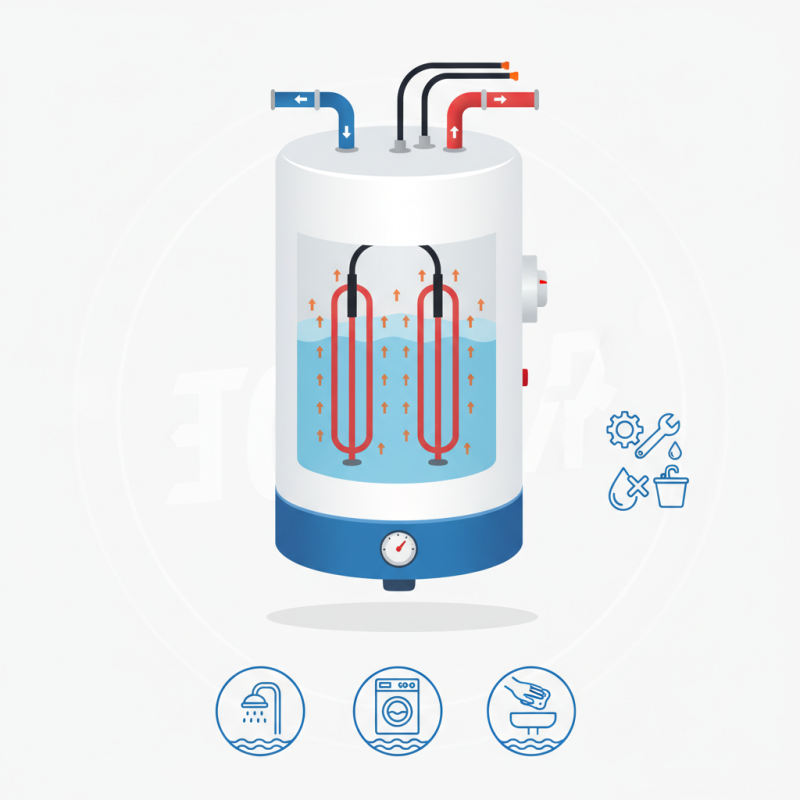
An electric water heater is a popular household appliance. It heats water using electric coils. These coils are submerged in water. When activated, they generate heat, raising the temperature of the water inside the tank. This heating process can be efficient and relatively quick.
Different models come with varied tank sizes. A standard size might hold 30 to 50 gallons of water. This allows for multiple uses, from showers to laundry. Some may find it challenging to choose the right size. Too small a tank can lead to running out of hot water, while too large can waste energy.
Safety is essential when using electric water heaters. Overheating can occur, leading to possible damage or inefficiency. Regular maintenance checks can prevent these issues. However, users often overlook this step. Understanding how your water heater operates can help diagnose problems early. Many still remain unaware of how to adjust their settings effectively. Making improvements in these areas can lead to better efficiency and long-term savings.
Components of an Electric Water Heater
An electric water heater consists of several key components that work together to provide hot water on demand. The heating element is the heart of the system, usually made of a metal alloy that heats up when electricity flows through it. Studies indicate that around 90% of homeowners rely on electric heaters for their water heating needs. The efficiency of these elements can vary, affecting overall energy consumption.
Another essential part is the thermostat. This component regulates water temperature by switching the heating element on or off. Accurate temperature settings can significantly reduce energy costs. According to industry reports, improper thermostat settings can lead to a 20% increase in energy bills. Many users often overlook this aspect, leading to unnecessary expenses.
The tank itself stores the heated water. Insulation materials surrounding the tank help maintain water temperature, minimizing heat loss. Surprisingly, around 30% of energy goes into keeping water hot in poorly insulated tanks. Homeowners should consider investing in better insulation to improve efficiency. Regular maintenance of these components ensures optimal performance and longevity of the water heater.
How Electric Water Heaters Generate Hot Water
Electric water heaters are essential appliances in many households. They operate on a straightforward principle: converting electrical energy into thermal energy. This process involves a heating element submerged in the water tank. When the heater is activated, electricity flows through the heating element, raising the water temperature until it reaches the desired level, usually between 120°F to 140°F.
According to the U.S. Department of Energy, electric water heaters account for approximately 18% of a home’s energy consumption. The efficiency of these units is often reflected in their Energy Factor (EF) ratings, with modern units achieving up to 0.95 EF. However, the installation and operating costs can vary significantly based on local energy prices. Inconsistent maintenance, such as flushing the tank to remove sediment build-up, can also reduce efficiency over time.
Users often report fluctuating performance due to factors like inadequate tank size or aging heating elements. Some heaters may not provide enough hot water during peak usage hours. Regular inspections and timely replacements of outdated models can improve reliability. Understanding these variables helps homeowners make informed decisions about their hot water needs.
Types of Electric Water Heaters
Electric water heaters come in various types, each designed for specific needs and preferences. The most common type is the tank water heater. This system heats and stores a large volume of water, typically ranging from 20 to 80 gallons. When you open the hot water faucet, the heated water is delivered to you. However, these tanks can take up significant space and may lead to heat loss.
Another popular option is the tankless water heater. Unlike traditional models, these units heat water on demand. They provide hot water instantly, which can save energy. However, they may not be able to supply enough hot water for multiple outlets simultaneously. These systems require careful sizing to ensure they meet your household’s needs.
Heat pump water heaters represent an innovative choice, using electricity to move heat rather than generate it directly. This can lead to lower energy bills. Yet, they perform best in moderate climates and may require extra space. Understanding the differences in these electric water heater types can guide you in making the right choice for your home.
What is an Electric Water Heater and How Does It Work? - Types of Electric Water Heaters
| Type | Capacity (Gallons) | Energy Efficiency (%) | Recovery Rate (Gallons/Hour) | Average Lifespan (Years) |
| Storage Water Heater | 30-80 | 90 | 20-30 | 10-15 |
| Tankless Water Heater | On Demand | 98 | 2-5 | 20+ |
| Heat Pump Water Heater | 40-80 | 300% | 20-25 | 10-15 |
| Solar Water Heater | 30-80 | 70-90 | 10-25 | 20+ |
Key Benefits and Considerations of Using Electric Water Heaters
Electric water heaters are becoming increasingly popular for their efficiency and convenience. They heat water directly through electric elements, providing hot water on demand. This means no need for bulky storage tanks. However, there are important benefits and considerations to weigh.
One key benefit of electric water heaters is their ability to heat water quickly. They work efficiently and can often deliver a constant supply of hot water. However, if the electrical demand is high, it can lead to increased utility bills. This is something new users should be aware of.
When choosing an electric water heater, consider the size and capacity needed for your household. It's easy to underestimate hot water usage. Additionally, pay attention to energy efficiency ratings. A higher rating may save money in the long run.
Tips: Regular maintenance is essential for optimal performance. Flushing the tank can eliminate sediment build-up. Also, check the heating elements annually for any signs of wear. Don't hesitate to reach out for help if needed, as sometimes DIY solutions may not address underlying issues properly.