What is an Electric Tricycle and How Does it Work?
Electric Tricycles are becoming more popular in urban areas. These unique vehicles combine the convenience of a bicycle with the stability of a tricycle. According to Dr. Emily Chen, an expert in sustainable transportation, “Electric tricycles are reshaping how we view urban mobility.”
These vehicles offer an eco-friendly alternative to cars. Electric tricycles provide a way to navigate busy streets without contributing to congestion. They can carry more than traditional bicycles, making them practical for various needs. Many families choose them for errands or outings. Yet, challenges remain, such as varying regulations and safety concerns.
Consumer awareness is growing, but many still have questions. Understanding how electric tricycles work and their benefits is essential. Investigating the technology behind them is a step toward informed choices. As interest rises, the industry must address potential issues. Electric tricycles may represent a bright future, but continuous improvement is necessary.
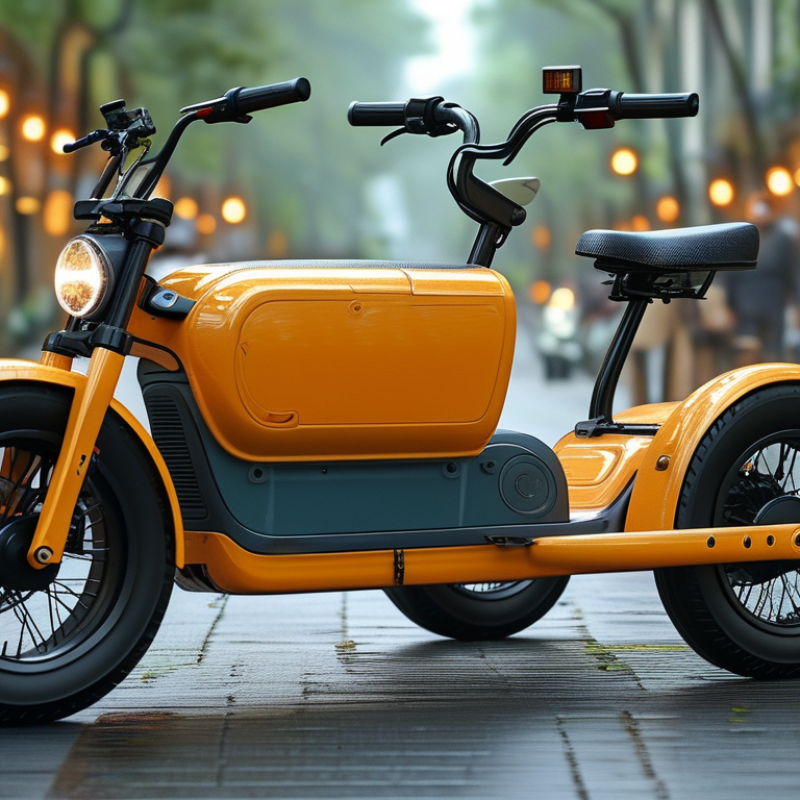
What is an Electric Tricycle?
An electric tricycle is a three-wheeled vehicle powered by electricity. It offers riders an efficient and eco-friendly mode of transportation. Featuring a battery and electric motor, it operates quietly and smoothly. Riders can enjoy the fresh air without the noise of traditional vehicles. This makes it perfect for short trips and urban commuting.
These tricycles are designed for stability and comfort. They accommodate various riders, including seniors and those with mobility challenges. Many models come with baskets or cargo space, enhancing their utility. Some people may find handling a two-wheeled bicycle easier. However, the added wheels enhance balance. It’s essential to consider personal comfort and skill level when choosing one.
Despite their advantages, electric tricycles aren't without challenges. Battery life, range, and charging times are common concerns. Also, riders should be aware of traffic rules. Some may feel uncertain navigating busy roads. It’s important to reflect on these factors before committing. Engaging with local communities can provide valuable insights and shared experiences.
Electric Tricycle Sales Comparison (2020-2023)
This chart illustrates the growth in electric tricycle sales from 2020 to 2023, showcasing a notable upward trend as consumer interest in eco-friendly transportation options increases.
Main Components of an Electric Tricycle
Electric tricycles offer a unique blend of convenience and efficiency. Understanding their main components is vital for potential buyers. An electric tricycle typically consists of a battery, motor, controller, and frame. The battery is the powerhouse, storing energy to propel the trike. It is crucial to choose a reliable battery for durability and performance.
The motor, often located at the wheels, transforms electrical energy into mechanical energy. This component affects the tricycle's speed and torque. The controller manages the power flow, ensuring smooth operation. A well-functioning controller is essential for an optimal riding experience. The frame supports these components and must be sturdy enough for stability.
Tips: Always check the weight capacity of the tricycle. Overloading can lead to potential damage. Regular maintenance on the battery and motor enhances longevity. Remember, investing in quality components can save you from frequent repairs. When choosing an electric tricycle, observe how each part is built. Sometimes, poorly designed components can affect safety and functionality. Do your research to understand the product better.
How Does an Electric Tricycle Work?
Electric tricycles have gained popularity as an eco-friendly transport option. Their operation relies on a combination of electric motors, batteries, and a three-wheel design. The electric motor provides the necessary thrust, while the battery stores energy and powers the entire system. On average, an electric tricycle can travel between 15 to 30 miles on a single charge, making them suitable for urban commuting.
The framework of an electric tricycle typically includes a pedal-assist system. This feature allows riders to pedal while receiving additional power from the motor. According to the Electric Vehicle Association, the global electric tricycle market is expected to grow at a rate of 25% annually. This growth indicates an increasing adoption of electric tricycles in both developed and emerging markets.
Despite their advantages, electric tricycles face challenges. Range anxiety can deter potential users. Some people may feel uncomfortable transitioning from traditional bicycles. Additionally, maintenance can be a concern. Electric components require knowledge and care. For those willing to adapt, electric tricycles offer a sustainable commuting alternative. The evolving technology aims to address those concerns by providing better battery longevity and user-friendly designs, yet some roadblocks remain.
Benefits of Using Electric Tricycles
Electric tricycles offer numerous benefits for urban mobility. They combine the advantages of traditional bicycles and scooters, providing a stable and efficient mode of transport. Their three-wheel design ensures balance, making them a great choice for all ages. Riders can enjoy a smooth ride even on uneven surfaces. The electric motor assists with pedaling, making it easier to travel longer distances without excessive physical strain.
Using electric tricycles can reduce personal carbon footprints. They produce zero emissions during operation, promoting cleaner air in cities. Many users find that they can avoid traffic congestion, arriving at their destinations faster. Additionally, these tricycles are often less expensive to maintain than cars. This can lead to significant savings over time.
However, potential buyers should consider the limitations. Battery life may vary, impacting travel distances. Weather conditions can also affect the comfort of the ride. It's essential to invest time in learning how to operate the vehicle safely. A thoughtful evaluation can lead to a rewarding experience. Balancing convenience and sustainability is key when choosing an electric tricycle.
What is an Electric Tricycle and How Does it Work? - Benefits of Using Electric Tricycles
| Feature | Details |
| Type of Drive | Electric Motor |
| Battery Life | 25 to 50 miles per charge |
| Charging Time | 4 to 8 hours |
| Weight Capacity | 300 to 400 lbs |
| Average Speed | 15 to 20 mph |
| Benefits | Eco-friendly, cost-effective, easy to use |
| Types Available | Cargo, passenger, foldable |
| Maintenance | Low maintenance, mainly tire and battery care |
| Price Range | $800 to $3,500 |
Safety Features and Considerations for Electric Tricycles
Electric tricycles, or e-trikes, are gaining popularity for transportation. Their unique design includes three wheels, offering stability and comfort. However, safety features should be a primary consideration for users.
Many e-trikes come equipped with essential safety components. These include lights for visibility, reflective strips, and a sturdy braking system. Users should always wear a helmet and consider additional protective gear. While e-trikes are generally safe, the presence of other vehicles can pose risks.
Riders must remain alert and follow traffic regulations. Battery maintenance is another aspect to consider. Ensuring a well-charged battery helps avoid sudden stops. Regular inspections of brakes and tires can prevent accidents. Riders should also be cautious in inclement weather. Wet or slippery conditions can make riding more challenging. Thus, understanding your environment is key.


