How to Ensure Effective Welding Protection for Your Safety?
Welding Protection is crucial for maintaining safety in any welding environment. Every welder faces hazards that can lead to severe injuries. When dealing with intense heat, sparks, and radiation, proper precautions are essential.
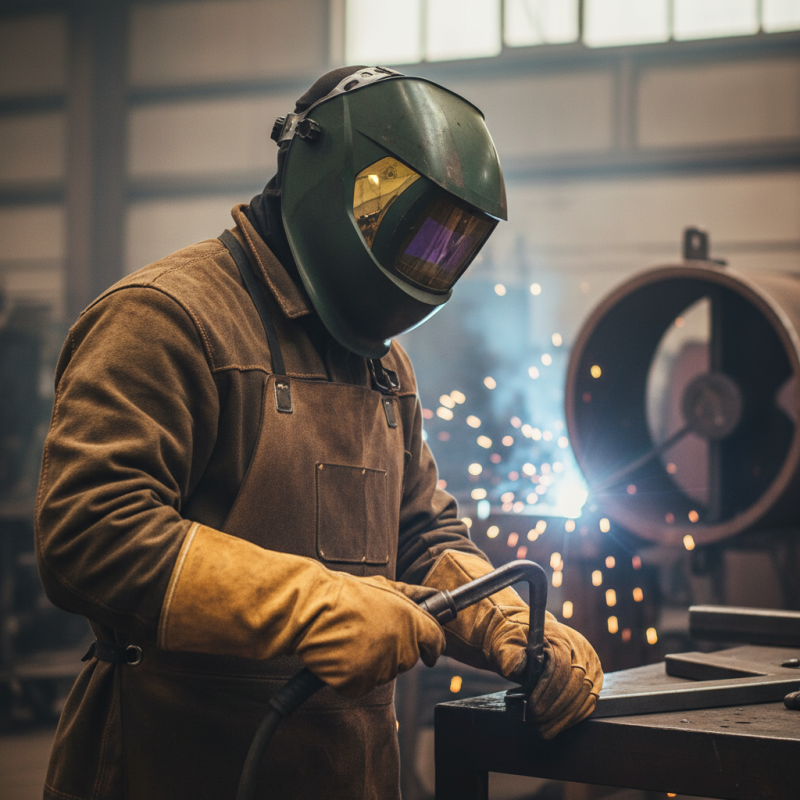
Effective welding protection includes using the right equipment. A high-quality helmet shields your face from UV rays and sparks. Gloves and protective clothing reduce the risk of burns and injuries. Still, many workers neglect their gear, leading to avoidable accidents.
It's important to reflect on your practices. Are you consistently checking your equipment’s condition? Small gaps in safety can result in significant risks. By prioritizing welding protection, you create a safer workplace for yourself and your colleagues.
Understanding the Importance of Welding Safety Protection Measures
Welding safety protection measures are crucial in preventing accidents and injuries. According to the American Welding Society, over 50,000 injuries occur each year due to welding-related mishaps. Many of these incidents could have been avoided with proper protective gear and safety practices. Critical equipment includes helmets with appropriate filters. They help shield against harmful UV radiation and intense light. It is alarming how many welders neglect to use proper filtration.
Moreover, respiratory issues are a real threat. The Occupational Safety and Health Administration (OSHA) states that inhaling welding fumes can lead to long-term health problems. It is vital to use effective ventilation systems to minimize exposure. Unfortunately, many workplaces still overlook this aspect. According to a report by the National Institute for Occupational Safety and Health, inadequate ventilation was a factor in 40% of welding-related illnesses.
Welders should also focus on ensuring their work environment is free from hazards. Regular checks can help identify fire risks or unsafe equipment. Yet, many workers skip these safety protocols in favor of speed. This practice can lead to dire consequences. Emphasizing safety culture in welding operations remains an ongoing challenge. Recognition of these issues is the first step toward improvement.
Welding Safety Protection Measures: Assessing the Importance
Types of Welding Protective Gear and Their Functions
Welding is an essential industrial process, but it poses significant risks. Effective welding protection is critical for worker safety. Different types of protective gear serve specific functions to mitigate these dangers.
Welding helmets are essential. They protect against harmful UV rays and bright sparks. Many helmets now feature auto-darkening filters. This innovation increases comfort and visibility. According to industry reports, 25% of welders encounter eye injuries without proper face shields. Proper eyewear can drastically reduce these incidents.
Welding gloves are equally important. They not only protect hands from heat but also from sharp objects. A good pair of gloves should offer dexterity. Many workers often overlook this aspect. Studies indicate that 15% of hand injuries occur due to inadequate gloves. Lastly, heavy-duty aprons offer vital protection against molten metal splashes. Choosing the right material can make a significant difference.
Overall, investing in quality welding protective gear is crucial. Workers often underestimate the importance of such equipment. Safety should always be a priority in any welding environment.
Guidelines for Proper Use of Welding Protective Equipment
Welding can be a risky process without proper protective equipment. Effective welding protection is vital for safety. Always wear a welding helmet that fits well. Choose gloves made from durable materials. They should resist heat and provide a good grip. Protective clothing is essential too. Flame-resistant fabrics can prevent burns.
When using welding goggles, ensure they match the specific needs of your task. Having the right lens shade is crucial for eye protection. Inspect your gear regularly for wear and tear. Signs of damage can lead to accidents. Remember, not all equipment lasts forever. Some items may need replacement sooner than you think.
Comfort also plays a role in safety. If protective gear is uncomfortable, you may be tempted to remove it. This is a mistake. Always prioritize safety over convenience. And don’t forget to educate yourself. Understanding the risks can help you appreciate the importance of proper equipment. Reflect on your practices. Continuous improvement is vital in welding safety.
Maintenance and Inspection of Welding Safety Gear
Maintaining and inspecting welding safety gear is crucial for worker safety. Regular checks can identify wear and tear. Look for signs of damage, like frayed straps or burnt materials. Inspect helmets for cracks and ensure face shields are intact.
It's essential to clean safety gear regularly. Dust and debris can affect visibility and functionality. Sometimes, we overlook this simple task. Ensure your gloves are free from holes and other damages. Remember, a small tear can lead to serious injuries.
Establish a routine for inspections. It helps maintain awareness and responsibility. However, it's easy to forget. Make it a habit to check your gear before starting work. Develop a checklist to make the process more effective. Reflect on past experiences, and prioritize safety above all else.
How to Ensure Effective Welding Protection for Your Safety? - Maintenance and Inspection of Welding Safety Gear
| Safety Gear | Maintenance Frequency | Inspection Checklist | Replacement Guidelines |
| Welding Helmet | Daily | Check for cracks, lens clarity, and functionality of auto-darkening | Replace every 2-3 years or immediately if damaged |
| Gloves | Weekly | Inspect for burns, holes, and general wear | Replace if any damage or wear is observed |
| Welding Jacket | Monthly | Check for fabric integrity, and ensure all closures function | Replace if severely soiled or damaged |
| Safety Boots | Monthly | Check soles for wear, ensure steel toe protection is intact | Replace if soles are worn down or if protection is compromised |
| Respirator | Before each use | Check seals and filters, and ensure there's no damage | Replace filters as per usage guidelines or if damaged |
Training and Best Practices for Safe Welding Operations
Welding involves risks that require steadfast attention. Proper training is essential for ensuring safety. It is important to equip welders with knowledge about equipment usage and safety protocols. Regular training sessions can help reinforce safe practices. Hands-on experience combined with theoretical understanding leads to better outcomes.
In the training environment, real-life scenarios should be simulated. This allows welders to practice safe responses to unexpected situations. Many apprentices feel overwhelmed during their training. They often forget safety procedures under pressure. This highlights the need for continuous practice and reminders.
Best practices involve the right protective gear. But even with the right equipment, some overlook regular inspections. A small crack in a helmet or worn gloves can lead to serious injuries. Employees must not only use protective gear but also check its condition. Open discussions about safety experiences can foster a culture of vigilance. It’s crucial that everyone feels comfortable sharing concerns without fear. Reflecting on past mistakes can pave the way for improvement.