Why Are Control Components Essential for Modern Technology?
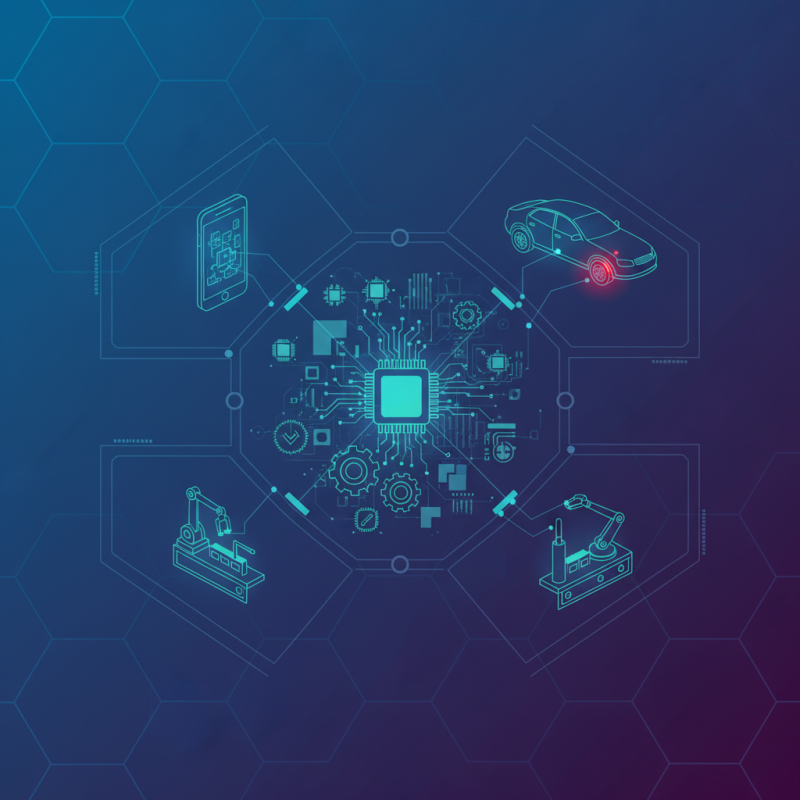
Control Components play a pivotal role in modern technology. Their functions are often unnoticed, yet they are vital for efficiency and safety. From smartphones to industrial machinery, these components ensure smooth operations. They regulate processes and enhance functionality in various devices.
Without Control Components, technology would struggle to meet today's demands. For instance, think of a car's braking system. It relies on precise control components to function safely. A failure in this system can lead to dire consequences. This highlights the importance of reliable components.
However, not all Control Components are perfect. Some may fail under pressure or extreme conditions. This prompts us to reflect on the quality and reliability of these components. Investing in superior Control Components can ultimately lead to better technology.
Control Components: The Backbone of Modern Technological Systems
Control components serve as the backbone of modern technological systems. They ensure stability, precision, and efficiency across various applications. According to a report by MarketsandMarkets, the global market for control components is projected to reach $130 billion by 2025. This growth reflects the increasing reliance on automation and intelligent control systems in industries like manufacturing, energy, and transportation.
Take manufacturing, for instance. Advanced control systems enable real-time data processing, optimizing production lines. However, challenges exist. Integration issues often arise when incorporating legacy systems with new technologies. Many companies struggle to maintain efficiency due to these disparities. Furthermore, a study shows that nearly 25% of organizations face difficulties in managing control system obsolescence. This gap can hinder innovation and lead to significant downtime.
Despite their importance, control components are frequently undervalued. Organizations may overlook the need for regular updates and maintenance. Studies indicate that lack of attention to these components can result in reduced system performance and increased operational costs. Investing in control components is not just about money; it's about ensuring technological advancement and sustainability in an increasingly automated world.
Why Are Control Components Essential for Modern Technology?
| Dimension | Description | Importance |
| Automation | Streamlines processes across various industries. | Increases efficiency and reduce labor costs. |
| Precision Control | Ensures accurate processing and handling of materials. | Minimizes errors and enhances product quality. |
| Data Acquisition | Collects critical information for analysis and decision-making. | Enables real-time responsiveness and strategic planning. |
| Safety Management | Monitors systems to prevent hazards and accidents. | Protects personnel and machinery, reducing downtime. |
| Integration | Connects various technological components and systems. | Facilitates seamless operation and interoperability. |
Types of Control Components and Their Functions in Different Industries
Control components play a crucial role in various industries. Their primary function is to manage and regulate operations efficiently. In manufacturing, for example, sensors monitor machines. They detect speed, temperature, or pressure changes. If a problem arises, these sensors trigger alarms or shutdown systems. This prevents potential damage and maintains safety.
In the automotive industry, control components shape the driving experience. Electronic control units monitor engine performance. They adjust fuel injection and emission levels. These adjustments enhance efficiency and reduce pollution. However, there's a risk. If these systems fail, it could lead to accidents. The reliance on technology raises questions about over-dependence.
In healthcare, control components are vital for monitoring patient conditions. Devices track vital signs in real-time. They alert healthcare professionals if something goes wrong. The accuracy of these devices is critical. Mistakes can lead to severe consequences. Continuous improvement in technology counteracts such risks, but vigilance is necessary. Balancing innovation and reliability remains a challenge for all industries.
The Role of Control Components in Enhancing Efficiency and Accuracy
Control components play a vital role in modern technology. They serve as the backbone of various systems, impacting both efficiency and accuracy. Without these components, processes can become chaotic and unpredictable. For instance, in industrial automation, sensors and actuators work together to monitor and adjust operations. They ensure machines perform tasks correctly and on time.
However, issues can arise. Not all control components are flawless. A malfunctioning sensor might lead to errors in data collection. This can result in significant inefficiencies, costing both time and resources. Engineers often find themselves troubleshooting these components regularly. The importance of precise calibration cannot be overstated. A small error can snowball into major complications, affecting the entire system's integrity.
Moreover, advancements in control technologies come with learning curves. Adapting to new systems takes time and effort. Even experienced technicians can encounter unexpected challenges. It’s crucial to continuously improve these components to enhance performance. Regular updates and training programs can help avoid pitfalls, ensuring that control systems remain reliable and effective. Each flaw presents an opportunity for better design and understanding.
Challenges in the Design and Implementation of Control Components
Control components play a vital role in modern technology. However, designing and implementing them comes with significant challenges. Engineers often face difficulties in integrating these components into complex systems. The nature of control systems is inherently dynamic, requiring real-time adjustments. This adds layers of complexity to the design process.
One common issue is ensuring accuracy in control decisions. Delays in data processing can lead to inefficiencies. Control components must react promptly, yet achieving this can be tricky. Calibration is another area where problems often arise. Small errors can lead to large discrepancies in performance. These factors necessitate ongoing adjustments and testing.
Another concern is the compatibility of various components. Different systems may use diverse protocols, making integration difficult. Engineers must navigate these discrepancies while maintaining reliability. Moreover, the constant evolution of technology means designs must adapt quickly. This pressure can lead to rushed implementations, often revealed in later stages. Balancing innovation with practicality remains an ongoing challenge.
Future Trends in Control Components and Their Impact on Technology
Control components are pivotal in the evolution of modern technology. As we look ahead, several trends are shaping their future. Miniaturization is one significant trend. Smaller components lead to more compact devices. This shift impacts everything, from smartphones to industrial machines. However, the challenge lies in maintaining performance while reducing size. Engineers grapple with this dilemma constantly.
Another profound trend is the rise of smart technology. Control components are becoming smarter. They can learn and adapt. This adaptability enhances efficiency and performance. Yet, there is a risk. Over-dependence on such technologies can lead to job displacement. Society must address this impact thoughtfully.
Furthermore, sustainability plays an essential role. Future control components aim to minimize environmental impact. Energy-efficient designs are gaining prominence. Still, the production of such components can be resource-intensive. The balance between innovation and sustainability requires continuous reflection. This complex interaction will shape the landscape of control components in the years to come.