

Choosing the right Tps Sensors in 2026 is not just a matter of matching a part number. A throttle position sensor must fit the vehicle, communicate correctly with its control system, and perform consistently through heat, vibration, and repeated movement. A connector that looks right can still have the wrong pinout. Small details matter.
Buyers can use quality expert W. Edwards Deming’s well-known reminder: “In God we trust; all others must bring data.” It is not a TPS-specific statement, but its lesson applies: request documented test results, clear specifications, and traceable product information. Check operating voltage, output signal, mounting dimensions, connector design, and stated temperature range. Ask how samples are tested, and whether production units follow the same process. Evidence beats confident promises.
Look closely at supplier support, too. Can the seller confirm fitment against the vehicle’s make, model, engine, and year? Are drawings and warranty terms available before purchase? A reliable supplier should answer plainly, not hide behind vague claims such as “universal fit.” That claim deserves a second look.
This guide explains how global buyers can compare TPS sensors, assess supplier quality, and reduce avoidable sourcing mistakes in 2026. No checklist can remove every risk. Yet careful verification can prevent a box of unusable parts from arriving at your warehouse. Start with data, then confirm the details.
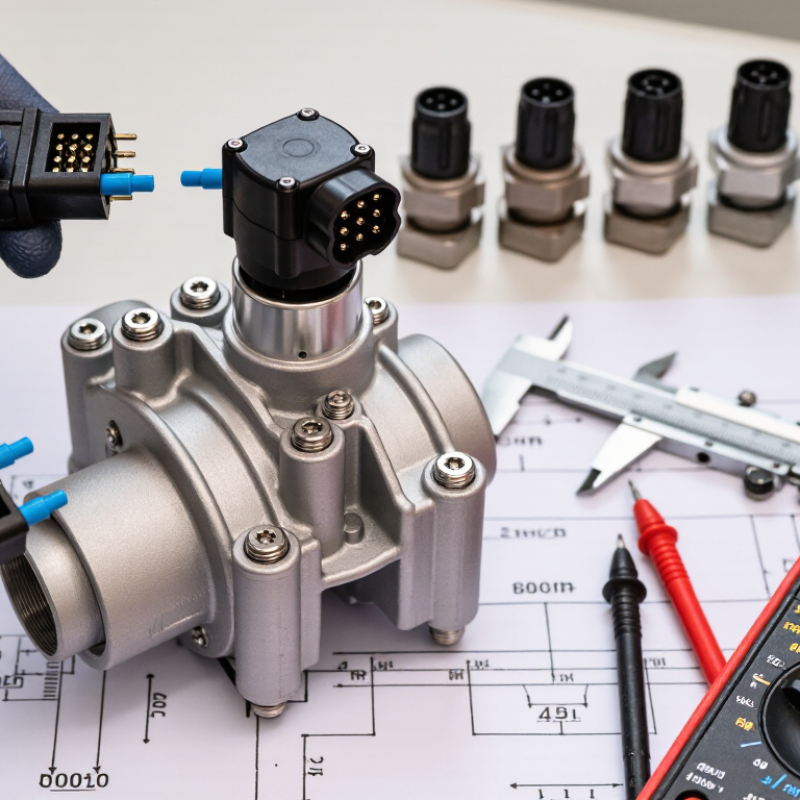
A throttle position sensor measures the throttle plate’s opening angle. It does not measure engine speed. The sensor sends a changing voltage to the engine control unit, often around 0.5 volts when closed and 4.5 volts when fully open. The control unit uses this signal to adjust fuel delivery, ignition timing, transmission shifts, and idle control. Modern sensors may use a contactless Hall-effect design. Traditional units commonly use a resistive track. Both can work well, but contamination and poor calibration remain practical concerns.
Global vehicle production reached about 75.5 million units in 2024, according to the International Organization of Motor Vehicle Manufacturers. The International Energy Agency also reported more than 17 million electric cars sold in 2024. This shift matters because hybrid vehicles still use engine control systems, while battery vehicles may not require a conventional TPS. Buyers should confirm the target vehicle architecture before comparing specifications. A familiar connector is not enough.
Tips: Check the sensor’s voltage curve, return response, connector pinout, sealing level, and operating temperature. SAE J1979 defines throttle position data used in diagnostic communication, but real testing is still necessary. A smooth scan-tool reading can hide intermittent dead spots. I would test the signal slowly, then repeat it with vibration and heat. That step is easy to skip. It should not be. Also review ISO 26262-related quality processes when the sensor affects torque control. Specification sheets help, but field evidence deserves equal weight.
Match the throttle position sensor to the exact vehicle, engine, and throttle-body configuration. Start with the vehicle identification number, model year, engine code, and transmission type. Similar engines may use different throttle bodies or wiring. A sensor can fit physically and still send the wrong signal.
Check the original part number against a reliable parts catalog or service manual. Compare the connector shape, pin count, mounting holes, shaft orientation, and operating range. Small details matter. For example, a three-pin connector does not prove that two sensors share the same pin assignment. Confirm the signal and reference-voltage specifications before ordering, especially for an engine swap or regional vehicle variant. Do not guess.
For a replacement, follow the maker’s installation procedure and check whether adjustment or ECU relearning is required. After installation, a scan tool can help verify that throttle readings change smoothly from closed to open. A brief hesitation or unstable idle may point to a mismatch, wiring fault, or setup issue—not automatically a defective sensor. Catalog data can be imperfect, too, so request clear connector photos and written fitment confirmation when buying across markets.
A throttle position sensor (TPS) reports throttle movement to an engine control system. Choose the sensor type around the vehicle’s original design, not price alone. Potentiometric sensors use a moving contact and resistive track. They can be economical, but repeated movement may wear the contact. Hall-effect and magnetoresistive designs measure position without that sliding contact. They may suit demanding duty cycles, yet still require compatible wiring and signal interpretation. Fit matters.
Compare the electrical specifications carefully. Check supply voltage, output range, connector pinout, mounting pattern, shaft rotation, and signal direction. A sensor with the wrong rotation can send a plausible but incorrect reading. Review linearity, operating temperature, response time, and sealing against dust or moisture. For vehicles used in hot, humid regions, environmental ratings deserve close attention. A polished datasheet can still leave questions about real installation conditions.
Tips: Ask for a dimensional drawing and a sample output curve before ordering. Confirm whether the signal rises or falls as the throttle opens. Check twice. For global purchasing, verify packaging, traceability, and consistency between production batches. If specifications seem incomplete, request clarification rather than assuming two similar-looking sensors are interchangeable. That extra check may feel slow, but a wrong connector or calibration can cost more time later.
A throttle position sensor should be checked against the vehicle’s exact engine, connector, mounting pattern, and signal range. A matching plug is not enough. Compare the supplier’s pinout and operating-voltage data with the vehicle service information. Check whether the sensor produces a smooth, repeatable signal across the throttle’s full movement. Numbers can mislead. Request test conditions and sample results, not just a pass certificate.
Assess build quality with evidence from production controls and validation tests. Ask how the supplier checks output consistency, connector retention, sealing, and resistance to heat and vibration. For incoming samples, inspect the housing and terminals, then compare several units under the same test setup. Small differences matter. A bench test is useful, but it cannot reproduce every vehicle environment; that limitation deserves attention.
Regulatory requirements vary by destination and application. Request current declarations, material information, traceability records, and relevant test reports, then confirm they match the intended market and vehicle program. Check document dates, part revisions, and the legal manufacturer’s details. If a certificate names a different model or revision, ask for clarification before ordering. A tidy folder is not proof by itself. Verify claims with the issuing body where practical, and retain records for receiving inspections and future audits.
When comparing TPS suppliers, start with fit and signal details, not the quoted unit price. Confirm connector shape, shaft design, mounting points, voltage range, and output curve against your application. Ask for a current datasheet and a sample test report. A sensor may match the drawing yet behave differently after installation. Check that the supplier can trace production batches and explain how samples are tested. Small detail. It matters.
Compare total landed cost, including tooling, minimum order quantity, packaging, freight, insurance, and import charges. Request separate quotes for air and sea shipping, with estimated dispatch and transit times. For a time-sensitive repair, a low sea-freight quote may not help. Confirm the shipping terms and required documents in writing. Protective packaging also deserves attention; bent terminals can turn a good price into a costly delay. Exchange rates and freight rates can shift, so note how long each quote remains valid.
After-sales support should be specific, not just a promise to “help.” Ask about the defect-report window, replacement process, warranty coverage, and technical response time. Keep photos, test readings, and batch numbers when checking incoming parts. If a sensor fails, clear evidence can speed up diagnosis. A supplier that answers application questions carefully is often easier to work with than one offering the fastest reply. Still, support quality is hard to judge before a problem happens, so test communication with a sample order.

