How to Choose the Right Static Balancing Valve for Your Needs?
Choosing the right Static balancing valve can be a challenging task. These valves are essential for maintaining optimal flow in various systems. Many factors influence this decision, including system type, flow requirements, and pressure drop. It's crucial to understand how each valve performs under different conditions.
Static balancing valves play a critical role in HVAC systems and hydronic circuits. They help ensure balanced flow and improve energy efficiency. Selecting the appropriate one ensures effective heating or cooling. However, the choice often leads to confusion due to the variety available. Some may feel overwhelmed by technical specifications, leading to mistakes.
Reflecting on your needs is vital. Consider the specific application and system requirements. Analyze past experiences with balancing valves to avoid repeating errors. Understanding the differences among options will enhance your ability to make informed decisions. Investing time in research can prevent costly missteps down the line.
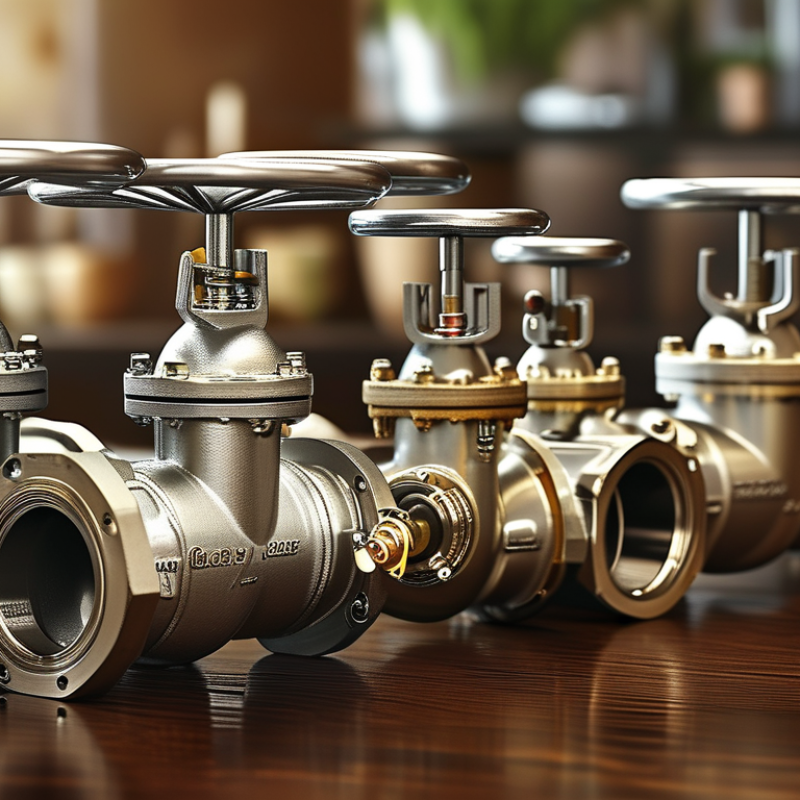
Understanding Static Balancing Valves and Their Functions
Static balancing valves play a crucial role in hydronic systems. They ensure the efficient distribution of water in heating and cooling applications. Their primary function is to control flow rates. This is vital for maintaining system balance and efficiency. According to industry reports, systems without proper balancing can waste up to 20% more energy. In turn, this can increase operational costs.
Choosing the right static balancing valve depends on various factors. These include system size, pressure requirements, and flow rates. An incorrectly sized valve can lead to underperformance or frequent adjustments. For instance, a valve with a flow capacity of 15 GPM is suitable for smaller loops. However, for larger systems, valves capable of handling 100 GPM are necessary.
Tip: Always consult with a professional before purchasing a static balancing valve. This will help ensure compatibility with your system. Also, consider systems with flow measurement features for better monitoring. Understanding the specific needs of your application is key. It can save time and resources in the long run.
How to Choose the Right Static Balancing Valve for Your Needs?
| Valve Type | Size (Inches) | Flow Rate (GPM) | Pressure Drop (psi) | Material | Application |
| Manual Balancing Valve | 1 | 50 | 5 | Brass | Heating Systems |
| Automatic Balancing Valve | 1.5 | 75 | 3 | Stainless Steel | Cooling Systems |
| Differential Pressure Balancing Valve | 2 | 100 | 4 | Copper | Hydronic Systems |
| Two-Port Balancing Valve | 2.5 | 150 | 6 | Plastic | Industrial Processes |
Key Factors to Consider When Selecting a Static Balancing Valve
Selecting the right static balancing valve is crucial for optimal system performance. When choosing, consider the system's pressure and flow requirements. Accurate calculations ensure the valve meets your needs. An undersized valve might restrict flow, while an oversized one can lead to inefficiencies. Striking the right balance is essential.
Another key factor is the material of the valve. Different applications require specific materials for durability and compatibility. For example, some systems might need corrosion-resistant materials, while others may prioritize heat resistance. Evaluate the operating environment carefully to avoid potential failures that could arise from using the wrong material.
Tips: Always consult with an experienced engineer to review your selections. They can provide invaluable insights based on their experience. Moreover, consider long-term maintenance. A valve that’s easy to service can save you time and money down the line. Relying solely on initial purchase costs could lead to regrettable choices. Always factor in future implications when making your decision.
Types of Static Balancing Valves and Their Applications
Choosing the right static balancing valve involves understanding the types available and their specific applications. Typically, static balancing valves fall into three main categories: pressure-independent, pressure-dependent, and dynamic balancing valves. Each type serves a unique purpose in HVAC systems, ensuring optimal performance and energy efficiency. According to the American Society of Heating, Refrigerating and Air-Conditioning Engineers (ASHRAE), improper valve selection can lead to energy wastage of up to 30%.
Pressure-independent valves are ideal for systems requiring consistent flow rates. They automatically adjust to changes in pressure, ensuring balanced distribution. In contrast, pressure-dependent valves are less versatile but are often more cost-effective for simpler systems. Dynamic balancing valves offer real-time adjustments during operation, proving advantageous in complex setups. However, the initial cost can be higher and requires careful planning.
When choosing a static balancing valve, consider these tips: Assess your system's needs first. Use flow measurement tools to evaluate existing conditions. Review installation requirements thoroughly before making a decision. Prioritize energy efficiency; this focuses on long-term savings. Remember, selecting the right valve can significantly improve system performance and reduce operational costs, yet it requires diligent consideration. Balancing between cost and efficiency is key, and it’s important to reflect on the potential trade-offs involved in your choice.
Static Balancing Valve Types and Applications
Assessing Flow Requirements and System Compatibility
When selecting a static balancing valve, assessing flow requirements is crucial. According to industry reports, nearly 75% of HVAC systems experience inefficiencies due to improper flow regulation. Understanding your system's demands helps prevent these issues. Flow requirements often depend on parameters like pipe size, fluid type, and temperature. Accurate calculations based on these factors ensure optimal valve selection.
Compatibility with existing systems cannot be overlooked. A valve that does not fit the system's specifications can lead to operational failures. For instance, a valve might not handle the pressure drop if it doesn’t match the pipe dimensions. Research indicates that nearly 40% of HVAC malfunctions arise from poor valve compatibility. This mismatch can cause leaks, increased energy costs, or equipment failure.
Analyzing these variables is essential. In some cases, using the wrong valve may result in over-pressurization or insufficient flow, leading to safety hazards. Industry professionals recommend gathering detailed flow data and conducting system checks. Tools like flow measurement devices can offer insights into the current performance. Addressing these elements ensures a balanced system, enhancing overall efficiency and reliability.
Installation and Maintenance Tips for Optimal Performance
When installing a static balancing valve, ensure you follow best practices for optimal performance. Begin by locating the valve in the right section of the system. Installing it at a place where flow control is critical can promote better efficiency. If the valve is installed incorrectly, it may lead to unbalanced flow and increased energy consumption. Make sure to inspect the alignment and fittings to avoid leaks, which can undermine performance.
Regular maintenance is essential for the longevity of static balancing valves. Check for any debris or obstructions in the valve regularly. Cleaning the valve can improve flow characteristics and prevent wear. Pay attention to the sealing mechanisms as well. Over time, these seals may wear out and require replacement. Inadequate maintenance can lead to performance issues. Setting a schedule for inspections can help catch problems early, making it easier to address them.
Sometimes, you may find that your system does not perform as expected. This could be due to external factors, like changes in the environment or shifts in other connected systems. Reflection on these aspects can guide future adjustments. Being proactive in addressing these issues can lead to improved system health and efficiency.


