How to Choose the Right Isolation Switch for Your Needs?
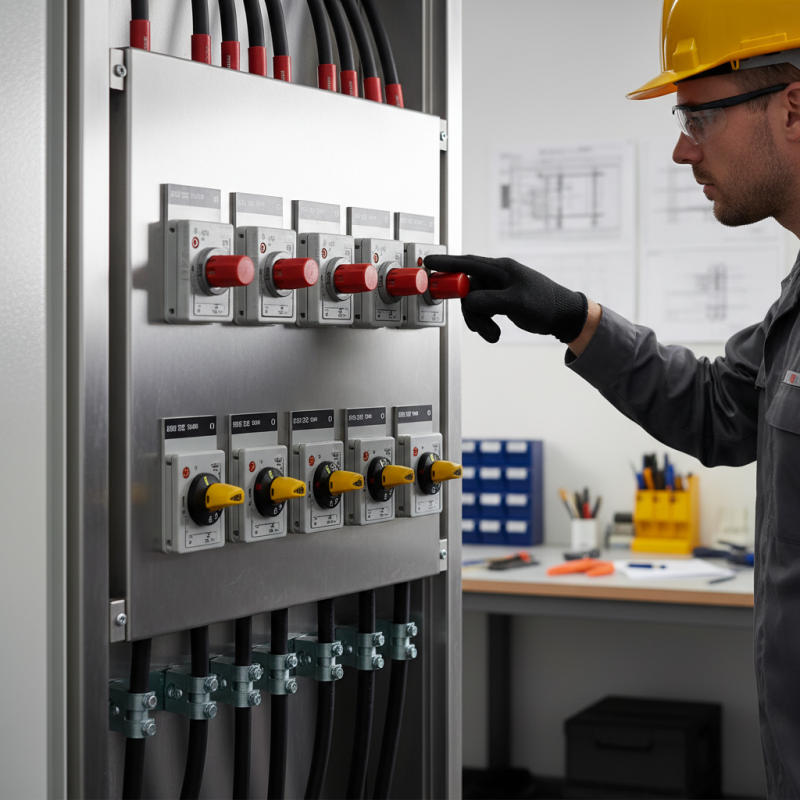
Choosing the right Isolation Switch is crucial for safety and efficiency. John Smith, a renowned expert in electrical safety, emphasizes, "The right switch can save lives." Isolation switches play a vital role in protecting electrical systems. They allow for safe maintenance by cutting off power.
When selecting an Isolation Switch, consider factors like voltage, current ratings, and environmental conditions. An appropriate switch prevents equipment damage and ensures worker safety. Many overlook these details, leading to potential hazards and costly mistakes.
Reflecting on past decisions can highlight gaps in our understanding. Sometimes, a rush to purchase leads to poor choices. Investing time in research can yield better results. Ultimately, the right Isolation Switch enhances both safety and efficiency in electrical systems.
Understanding the Purpose of Isolation Switches in Electrical Systems
Isolation switches play a crucial role in electrical systems. Their main function is to disconnect circuits for maintenance or safety. This action helps prevent accidents during repairs. For example, a technician needs to ensure that the power is off before working on a circuit. An isolation switch provides that safety.
Understanding how these switches operate is essential. They come in various types and sizes, depending on their application. Some operate manually, while others are automatic. Choosing the right one can be complex. You must assess your specific needs carefully. For instance, where will the switch be installed? Is it for residential or industrial use?
Not everyone realizes the importance of quality in isolation switches. A poor choice could lead to failures. These failures may cause dangerous situations. Knowing the differences between switches helps. Look at the specifications closely. Some might not handle high voltage. That's a risk that shouldn’t be overlooked.
How to Choose the Right Isolation Switch for Your Needs?
| Feature | Importance | Types | Applications |
| Voltage Rating | Ensures safe operation without overload | Low Voltage, Medium Voltage, High Voltage | Industrial machinery, commercial buildings |
| Current Rating | Necessary for preventing overheating | Rated for specific amperage levels | Electrical panels, motor disconnects |
| Pole Configuration | Determines the number of circuits switched | Single Pole, Double Pole, Triple Pole | Residential wiring, commercial systems |
| Mounting Style | Affects installation flexibility and space | Panel Mount, DIN Rail Mount | Control panels, distribution boards |
| Enclosure Type | Protects from environmental factors | NEMA Ratings, IP Ratings | Outdoor installations, harsh environments |
Types of Isolation Switches: A Comparison of Options Available
Isolation switches come in various types, each serving distinct purposes. For residential use, a basic switch might suffice. These are simple and cost-effective, often found in household electrical setups. However, they might not handle heavy loads well. Users should consider the specific application before choosing one.
Industrial environments require more robust options. Heavy-duty isolation switches are designed to manage high currents safely. These are built to withstand harsh conditions and frequent usage. The choice between manual and automatic switches can also affect safety and efficiency. While automatic switches offer convenience, they may fail during power outages. Manual switches provide reliability, but require user intervention.
Assessing the location and intended use is essential. Outdoor switches need weatherproof ratings. Indoor switches may prioritize aesthetics and ease of access. It's also vital to consider regular maintenance. Many users overlook this aspect. A neglected switch could lead to failures over time. Balancing these factors is crucial for optimal performance.
Key Specifications to Consider When Selecting an Isolation Switch
When selecting an isolation switch, you need to consider several key specifications. Start with the voltage rating. Different applications require different voltages. Ensure the switch can handle your specific voltage levels. Look closely at the current rating as well. A switch that can’t manage the required current may fail, leading to operational issues.
Next, examine the environment in which the switch will operate. Is it indoors or outdoors? Will it be exposed to moisture or dust? Some switches are designed for harsher conditions. Materials can also vary significantly, influencing durability.
You might find isolators made from plastics or metals. Each material offers different advantages and disadvantages.
Additionally, consider the size and mounting options of the switch. A switch that fits perfectly may provide easier installation and maintenance. It’s essential to assess these factors carefully. Remember that overlooking even one specification can lead to costly mistakes.
Choosing an isolation switch is about aligning it with your specific needs. Reflect on your options and make informed choices based on reliable data.
Factors Influencing the Placement and Installation of Isolation Switches
When selecting an isolation switch, the placement is crucial. It should be easily accessible for quick operation. Consider the location of equipment and potential hazards. For instance, if a switch is hard to reach, it may compromise safety. Think about areas prone to water and dust exposure. These factors can impact the switch's durability and performance.
Installation height and angle also matter. Ideally, the switch should be at a height that does not require stretching or bending. A poor angle may hinder visibility and accessibility. Additionally, ensure there is enough space around the switch for maintenance. Inspect for obstructions. Often, people overlook how physical space influences functionality.
Environmental conditions play a role in your choice. For instance, if a switch will be used outdoors, it may need to withstand extreme temperatures. Indoor locations should consider airflow and possible interference from nearby devices. Reflecting on these factors can lead to a more effective and reliable installation.
Maintenance and Safety Considerations for Isolation Switches
Isolation switches are crucial for the safety and maintenance of electrical systems. Proper selection can prevent accidents and ensure equipment longevity. According to a recent industry report, improper switch selection can lead to a 30% increase in maintenance costs over five years. This statistic emphasizes the need for informed choices.
Regular inspections of isolation switches are vital. Typically, switches should be tested at least once a year. Issues can build slowly but often go unnoticed. Visual inspections may miss internal failures. Thus, a thorough inspection can reduce potential hazards. A study showed that 18% of electrical failures occur due to contact wear or corrosion.
Safety features in isolation switches are also paramount. Features like clear labeling and emergency shut-off options are essential. Workers must understand these functions. However, many users overlook critical safety guidelines. Training and awareness can mitigate these oversights. Inadequate training can lead to improper usage, increasing the risk of accidents. Regular training sessions can reinforce necessary practices and elevate overall safety standards.