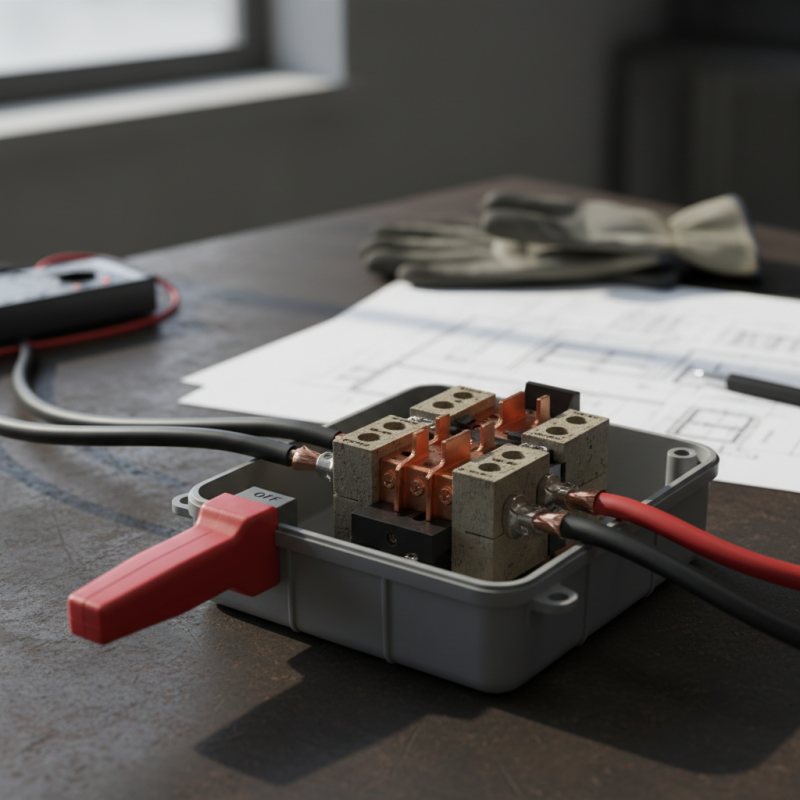
How to Choose the Right DC Isolation Switch for Your Needs?
Choosing the right DC Isolation Switch is crucial for safe electrical operations. John Davis, an industry expert, emphasizes, "A good DC Isolation Switch protects equipment and personnel." This statement reflects the importance of selecting the proper switch for specific applications.
Understanding your needs is vital. Different environments require different specifications. For example, a solar energy system may need a robust switch to handle constant outdoor exposure. Yet, simplicity matters. Overly complex switches can lead to confusion and errors.
Be mindful of compatibility. Not all DC Isolation Switches work in every system. Review your system's voltage and current ratings to ensure a safe fit. Remember, a poor choice can lead to costly downtime or safety hazards. Simple is often better when it comes to critical components.
Understanding the Basics of DC Isolation Switches
DC isolation switches play an essential role in electrical systems. They provide crucial safety and control features in renewable energy setups. Understanding their basics can guide you to make better choices for your needs.
A DC isolation switch is designed to safely disconnect circuits. This is particularly important in photovoltaic (PV) systems. According to the International Energy Agency, global solar capacity reached 1,000 GW in 2021. As more installations occur, reliable isolation switches become vital for maintenance and safety. They help prevent accidental electrocution during service.
Selecting the right switch involves considering several factors. Voltage rating is one. Most switches operate between 1000V and 2000V. Current rating is equally important; switches typically range from 10A to 300A. Not all switches offer adequate performance for every application. Some may not handle high inrush currents effectively. This can lead to premature failures or unreliable operation. It’s critical to evaluate a switch's ratings closely to avoid complications down the line.
Key Factors to Consider When Selecting a DC Isolation Switch
When selecting a DC isolation switch, several key factors require careful consideration. Voltage rating is crucial. The switch must handle the specific voltage of your system without failure. Reports show that 40% of equipment failures stem from mismatched voltage ratings. Moreover, choose switches with safeguards against potential surges. These features mitigate risks associated with electrical spikes.
Current rating is another significant aspect. It should match or exceed the expected load. Inadequate current ratings lead to overheating and equipment damage. A recent analysis indicated that nearly 35% of installations face operational problems due to this oversight. Enclosure type is equally important. Look for options rated for your environmental conditions. Outdoor installations demand higher protection levels. Some switches may need additional weatherproofing, especially in harsh climates.
Lastly, think about manufacturer reliability. An industry survey revealed that 25% of buyers experienced issues due to poor-quality switches. Quality assurance checks should be prioritized. There's always room for improvement in product design and performance, which often isn't highlighted. Collecting feedback from users can lead to better choices. It’s essential to remain vigilant throughout the selection process. The consequences of a hasty decision can be costly.
Types of DC Isolation Switches and Their Applications
DC isolation switches play a crucial role in electrical systems. They ensure safety and functionality. There are various types available, each serving different applications. Understanding these types can help you select the right switch for your needs.
The most common type is the knife switch. It's simple and reliable. However, it may not be suitable for high-current systems. Next, we have rotary switches. They allow for easy operation and can handle larger currents. Yet, they may wear out faster over time. For solar applications, the load break switch is often used. It allows for safe disconnection under load, but installation can be tricky.
When choosing a switch, consider your specific needs. There might be options that look appealing but don’t meet operational requirements. Sometimes, users overlook the importance of environmental factors. Your switch may need to withstand extreme temperatures or humidity levels. This factor is often neglected. Take your time and weigh your options carefully. A hasty decision could lead to future complications. Each choice carries weight, and understanding your application is key.
Evaluating Technical Specifications and Ratings
Choosing the right DC isolation switch involves careful evaluation of its technical specifications and ratings. Begin with voltage rating. It should match or exceed your system’s voltage. Pay attention to current rating as well. A switch with insufficient current capacity may lead to failure. Look at the operating temperature range. If your environment is extreme, make sure the switch can handle it.
Another important aspect is the isolation resistance. A higher resistance rating ensures better safety and performance. However, not every rating is suitable. Consider the context of your application. For instance, heavy loads might require robust switches. We often overlook the importance of physical size too. A switch that fits well in your setup is essential.
Lastly, think about features like manual operation and visual indicators. They add convenience but can complicate the selection process. Sometimes we choose based on initial impressions rather than thorough analysis. Reflecting on our needs is key. A disconnect switch is a crucial component. Ensuring it meets all criteria will serve your system well in the long term.
Installation and Maintenance Tips for DC Isolation Switches
When installing a DC isolation switch, proper attention to detail is crucial. Start by selecting a suitable location that is easily accessible for maintenance. Ensure that the switch is installed in a dry area, away from moisture and extreme temperatures. Check local regulations to comply with installation guidelines. The mounting surface should be stable and robust, supporting the switch's weight and operation.
Maintenance should not be overlooked. Regular inspections will help identify wear or damage early. Clean the switch periodically to remove dust and debris. It's tempting to skip this, but neglect can lead to performance issues. Test the operation of the switch frequently, ensuring it opens and closes smoothly. Record any irregularities. If the switch feels stiff or shows signs of corrosion, it might need replacement sooner than expected.
Documenting maintenance activities can also enhance accountability. Maintaining a log helps track when actions were taken. Sometimes, simple visual checks can reveal significant problems. However, don’t solely rely on visual inspection. Be prepared to dig deeper when issues arise. If something seems off, consider seeking expert guidance for a thorough evaluation.
How to Choose the Right DC Isolation Switch for Your Needs? - Installation and Maintenance Tips for DC Isolation Switches
| Feature | Description | Importance | Maintenance Tips |
| Current Rating | The maximum current the switch can handle safely. | Critical for preventing overheating and failures. | Regularly check for electrical wear and tear. |
| Voltage Rating | The maximum voltage the switch can control. | Essential for safe operation in electric systems. | Verify voltage levels before installation. |
| Isolation Type | Indicates how the switch isolates the circuit. | Affects safety during maintenance and troubleshooting. | Inspect for proper operation during quality checks. |
| Enclosure Rating | Rating for protection against environmental conditions. | Prevent equipment damage from dust and moisture. | Keep the enclosure clean and check for integrity. |
| Mounting Type | Type of fixture for installation (e.g., panel mount). | Influences installation ease and accessibility. | Ensure all fixtures are secure and not loose. |