How to Choose the Best Solar Light for Your Needs?
Choosing the right Solar Light for your needs can be a daunting task. According to John Peterson, a leading expert in solar technology, “Not all solar lights are created equal.” His insight highlights the variety and complexity in the solar light industry.
There are multiple factors to consider, such as brightness, style, and battery life. Solar lights come in various designs, from garden lamps to security lights. Each type serves a unique purpose and may require different specifications. It's essential to match your specific needs with the right solar light features.
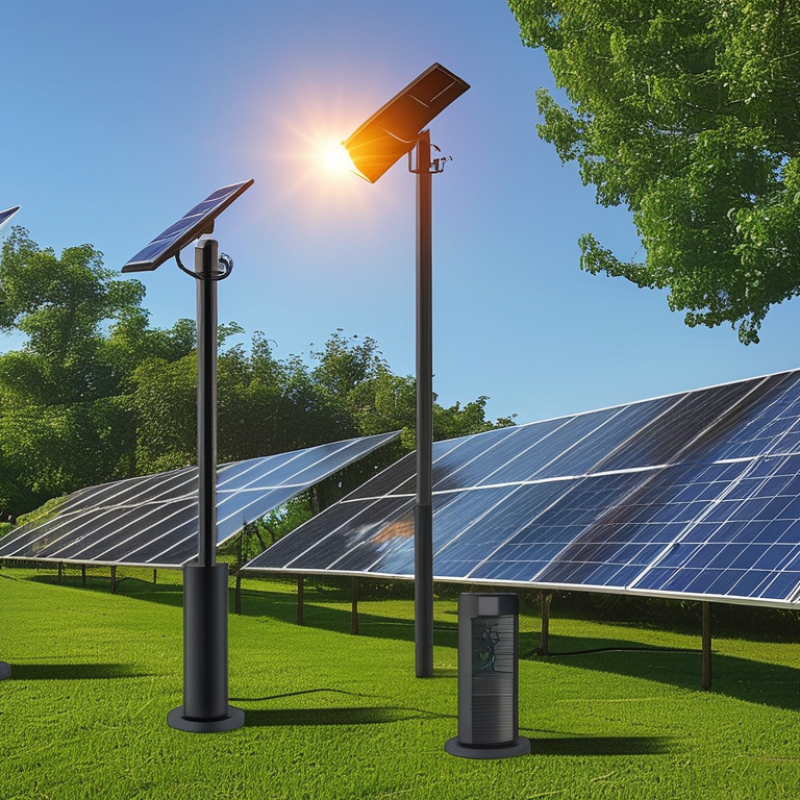
Moreover, understanding how solar lights work helps in making informed decisions. They rely on solar panels to convert sunlight into electricity. This renewable energy source can cut maintenance costs but requires adequate sunlight for optimal performance. Reflecting on these elements will aid you in choosing a solar light that not only meets your needs but also contributes positively to your environment.
Factors to Consider When Choosing Solar Lights
Choosing the right solar light requires a clear understanding of your needs. Factors like brightness, battery life, and sensor type play vital roles. Brightness, measured in lumens, directly affects the light's visibility. Consider how bright you need the light for your specific location.
Battery life is equally important. You want solar lights that last throughout the night. Look for models with high-capacity batteries. This ensures reliable performance, especially in winter months when daylight is limited.
Tips: Always check customer reviews. They often reveal long-term reliability. Additionally, assess the warranty. A trustworthy product usually comes with a solid guarantee.
Sensor type varies among products. Motion sensors provide security but may not offer constant lighting. In contrast, dusk-to-dawn sensors automatically turn on at sunset, ensuring continuous illumination. Reflect on your primary usage. Do you prioritize safety or ambiance? This consideration will shape your choice.
Types of Solar Lights and Their Applications
When choosing solar lights, understanding the different types and their applications is crucial. Pathway lights are popular for illuminating walkways and driveways. They offer safety and enhance landscape aesthetics. These lights typically feature stake designs, making them easy to install.
Another option is flood lights. They are ideal for larger areas, such as backyards or gardens. Flood lights provide bright illumination and are useful for security. Their powerful beams can deter potential intruders. However, placement is key. Improper positioning can cause light pollution and disturb neighbors.
String lights are becoming a trendy choice for outdoor gatherings. They create a cozy atmosphere for parties and events. However, some may find them difficult to install. Ensure you have the right tools and conditions to hang them properly. While soft lighting can enhance a space, too many lights can be overwhelming and reduce intimacy. It’s important to reflect on how each type of solar light will meet your specific needs.
Evaluating Brightness and Lumens for Your Space
When selecting solar lights, brightness is a crucial factor. The brightness of solar lights is typically measured in lumens. A higher lumen rating often means a brighter light. For outdoor areas like patios or gardens, consider lights with at least 500 lumens. This level ensures adequate illumination, making spaces safe and inviting. For pathways and decorative lighting, lower lumens can suffice, around 100 to 300, depending on the ambiance desired.
Understanding lumens helps tailor your choices to specific areas. For a cozy outdoor gathering, softer lighting with fewer lumens can set a relaxed mood. Yet, if safety is a priority, brighter options are essential. Not every setting requires the same level of brightness. Experimenting with different lumen outputs can lead to delightful discoveries.
Some lights may not deliver the expected brightness. This discrepancy can lead to frustration. Evaluating the product specifications and user reviews is critical for reliability. Sometimes, a light that promises high lumens might fall short in real-world conditions. Being aware of this inconsistency can guide better choices and enhance your outdoor experience.
Battery Life and Solar Panel Efficiency Explained
When selecting a solar light, understanding battery life and solar panel efficiency is crucial. Battery life significantly impacts how long the light operates after sunset. Most solar lights use lithium-ion batteries, which can hold a charge for 3 to 10 hours, depending on usage. According to a report by the Solar Energy Industries Association, a quality battery should maintain at least 80% of its capacity after 500 charging cycles. This longevity is essential for outdoor applications where reliability is key.
Solar panel efficiency also plays a vital role. More efficient panels convert more sunlight into energy. Typically, solar panels range from 15% to 22% efficiency. A report from the National Renewable Energy Laboratory highlights that higher-efficiency panels capture energy more effectively, providing longer-lasting illumination. However, some lower-efficiency options may cost less upfront but can lead to more frequent replacements.
It’s worth considering that not all solar lights perform similarly in various weather conditions. For example, prolonged cloudy weather can reduce charging time, impacting overall performance. Assessing local climate conditions can help in choosing the right product. Users should research products thoroughly, ensuring they meet specific needs without compromising on quality or efficiency.
Budgeting for Your Solar Lighting Needs
When budgeting for solar lighting, consider your specific needs. Think about where you will place the lights. This will influence the number and type required. Outdoor gardens or pathways may demand more illumination than indoor spaces. Assess the brightness levels you desire; some areas may need more light.
Determine your budget early on. Prices vary widely based on features, like solar panels and battery types. Set a range that feels comfortable. Remember, higher initial costs might lead to savings on energy bills over time. Look for options that offer the best balance between cost and performance.
Don’t forget to account for installation costs, if applicable. Some solar lights are easy to set up, while others may require professional help. Plan for maintenance as well. Although solar lights are generally low-maintenance, replacing batteries or cleaning solar panels can add costs. Reflect on the long-term benefits versus immediate expenditures to make an informed choice.


