


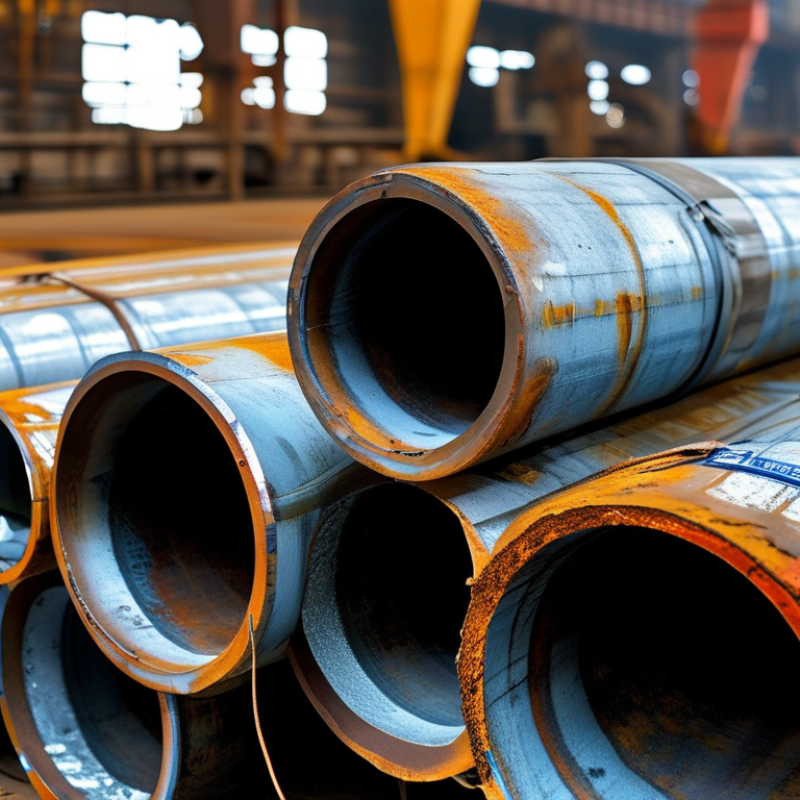
How to Choose the Best Galvanized Tube from China?
A reliable audit begins with the Mill Test Certificate (MTC). Check the heat number, steel grade, dimensions, chemical composition, and mechanical results. The heat number must match the tube bundle and production records. Do not accept a polished PDF alone. Ask for traceability evidence, including batch photos and packing lists. I have seen certificates that looked complete but lacked verifiable production details.
ISO 9001 shows that a supplier operates a quality management system. It does not prove every tube is flawless. Confirm the certificate’s validity, issuing body, and certified scope. Request recent test reports for zinc coating mass, wall thickness, outside diameter, weld quality, and coating adhesion. Independent laboratory testing adds confidence, especially for large orders. Still, sampling can miss defects. That limitation deserves attention.
Tips: Compare the supplier’s MTC data with your purchase specification. Request a pre-shipment inspection before final payment. Define acceptable tolerances in writing. Under Incoterms, clarify when risk transfers, who arranges insurance, and who pays freight, customs, and unloading. FOB, CIF, and DAP create different responsibilities. Incoterms manage delivery risk, not product quality. A clear contract should also state inspection rights, replacement terms, and document deadlines. Do not rely only on the lowest quotation. It may hide thinner walls, weaker coating, or incomplete testing. A practical audit combines documents, physical evidence, laboratory checks, and careful commercial terms.