Why Choose Rugged Industrial Computers for Your Business Needs?
In today's competitive business landscape, many companies face unique operational challenges. Choosing the right technology can make a significant difference. Experts agree that rugged industrial computers stand out as a reliable solution. Dr. Laura Chen, a renowned expert in industrial technology, emphasizes, “A rugged industrial computer is designed to endure harsh conditions while ensuring optimal performance.”
Rugged industrial computers are built to withstand extreme temperatures and vibrations. They excel in tough environments where standard computers would fail. From manufacturing floors to outdoor sites, these devices are essential. Their durability leads to lower maintenance costs and reduced downtime, something every business values.
However, selecting the right rugged industrial computer is not always straightforward. The market is filled with options that claim to be robust and reliable. Companies must assess their specific needs before making a choice. While some products perform well in tests, real-world applications often reveal limitations. Seeking expert advice can help avoid pitfalls and ensure a smart investment. Embracing rugged technology could be the key to overcoming operational hurdles and achieving long-term success.
Benefits of Rugged Industrial Computers for Business Efficiency
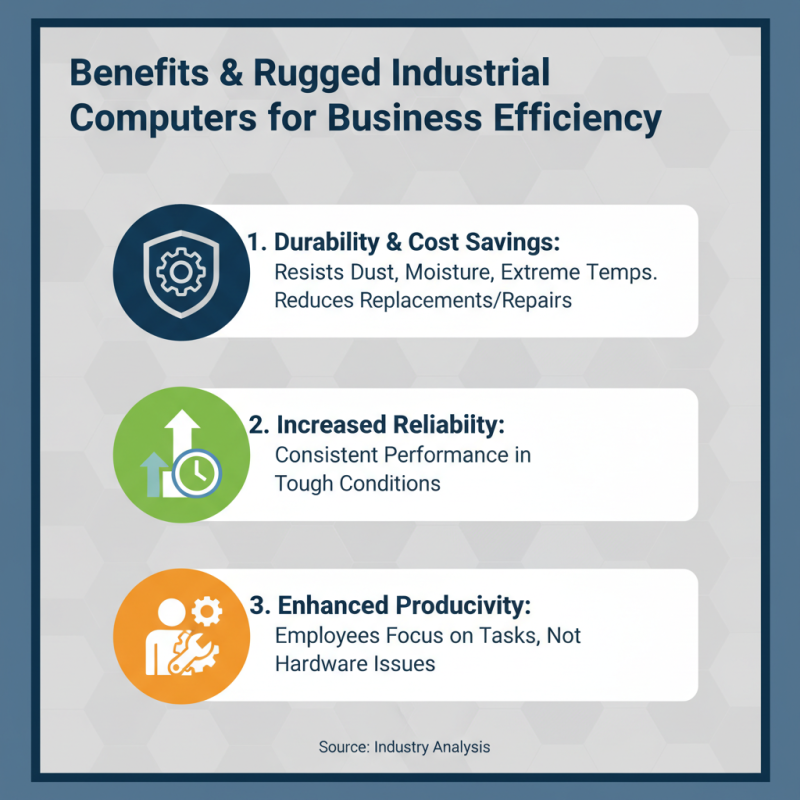
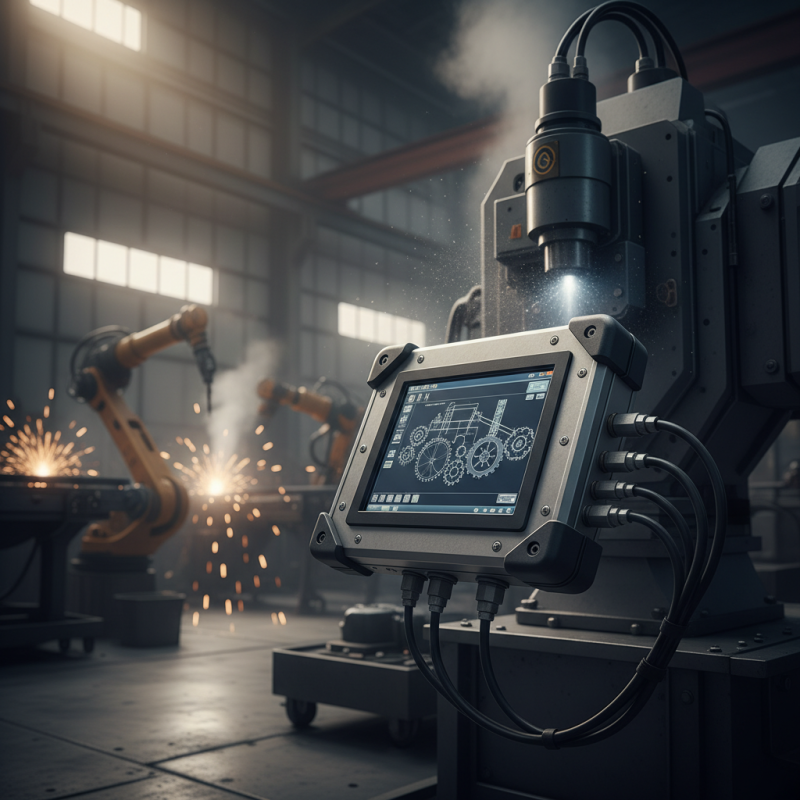
Rugged industrial computers are becoming essential in various industries. They are designed to withstand tough conditions. Dust, moisture, and extreme temperatures do not easily damage them. This durability saves businesses money on replacements and repairs. When systems are reliable, productivity increases. Employees can focus on tasks rather than hardware issues.
Efficiency is key in today’s competitive market. Rugged computers often come with features tailored for industrial applications. Touchscreens, large displays, and powerful processors facilitate quick data access. Workers can analyze data in real-time, improving decision-making processes. Many businesses note a boost in operational speed and accuracy when using these systems.
However, adopting rugged computers isn’t without challenges. Initial costs can be higher than standard options. It takes time to train staff to use new technology effectively. Some may find the transition process difficult. Yet, the long-term benefits often outweigh these hurdles. As technology progresses, rugged computers may adapt further to enhance business performance.
Key Features of Rugged Industrial Computers for Harsh Environments
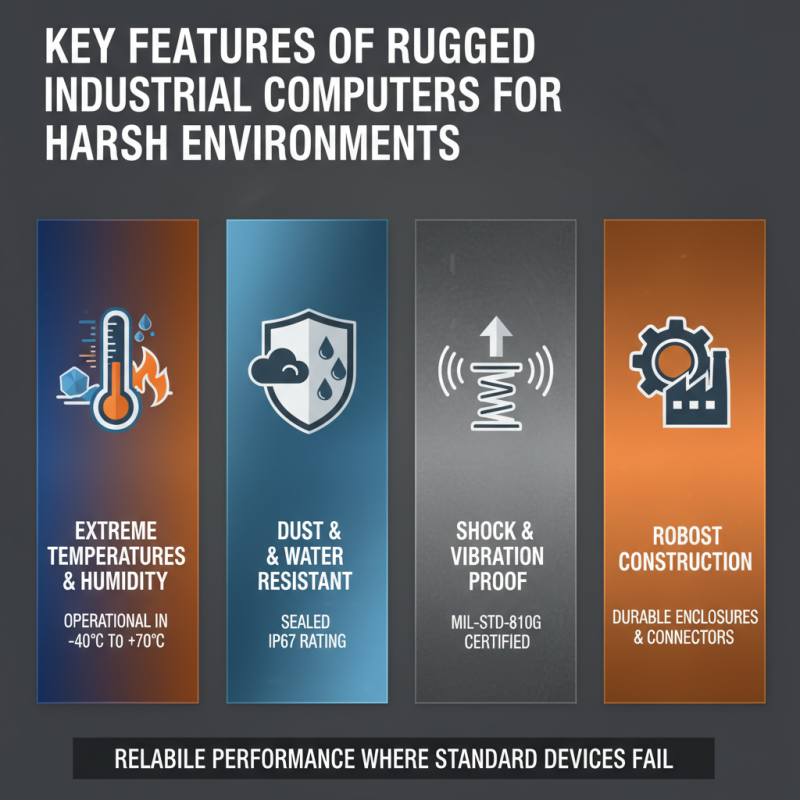
Rugged industrial computers are designed to thrive in harsh environments. These computers often endure extreme temperatures, humidity, dust, and vibrations. Their robust cases and special sealing protect internal components from damage. When installed in factories or construction sites, they maintain performance and reliability where standard devices might fail.
One key feature is their extended temperature range. Many rugged models operate effectively between -30°C and 70°C. This allows for flexibility in various environments. Additionally, they often include enhanced connectivity options like Wi-Fi, Bluetooth, and Ethernet. Reliable communication is vital for real-time data processing and remote monitoring. Power redundancy is another aspect to consider; dual power inputs ensure continuous operation even during outages.
Durability extends beyond physical resilience. Many rugged computers also feature improved shock resistance. This makes them ideal for mobile applications. Choosing the right rugged industrial computer means assessing these features according to specific business needs. It's crucial to reflect on actual usage scenarios to prevent costly mistakes. Balancing specifications with real-world demands ensures optimal investment for businesses.
Cost-Effectiveness of Rugged Computers in Long-Term Investment
Rugged industrial computers are more than just durable devices; they offer significant cost-effectiveness over time. Businesses that opt for these robust machines often find themselves saving money in the long run. Traditional computers may need frequent replacements due to harsh conditions, leading to ongoing expenses. Investing in rugged computers reduces the frequency of repairs and replacements, ensuring a stable operation.
In addition, rugged computers typically offer better performance, which can boost productivity. Their ability to withstand extreme temperatures, vibrations, and dust means fewer disruptions. An effective way to assess long-term costs is to analyze the total cost of ownership (TCO). This includes not only the initial investment but also maintenance and downtime.
Tip: Assess your work environment carefully. Understanding the conditions your equipment will face can inform your choices effectively.
Furthermore, rugged computers often come with
extended warranties. This indicates the manufacturer’s confidence in their product. Utilizing these warranties can further minimize costs associated with unexpected failures.
Tip: Always compare warranty terms between models. A longer warranty can lead to greater peace of mind and cost savings.
Selecting rugged industrial computers is an essential move for companies seeking
durability and reliability. Their cost-effectiveness becomes more apparent as businesses evaluate their overall operational expenses over time.
Comparative Analysis: Rugged vs. Standard Industrial Computers
Rugged industrial computers stand out when compared to standard models. They are designed for harsh environments. These computers can withstand extreme temperatures, dust, and moisture. In industries like mining and manufacturing, this durability is crucial. Standard computers often fail in these conditions, leading to downtime and costly repairs.
The performance of rugged industrial computers is another advantage. They typically offer better memory and processing power. This allows for smoother operation of complex applications. However, they may come at a higher initial investment. Some businesses may hesitate due to this cost. But in the long run, the reduction in maintenance costs can justify the price.
Not all rugged computers are created equal. Some might lack certain features or processing capabilities. It's essential for businesses to conduct thorough research. Are the specific needs of your industry being met? This reflection is vital when choosing the right system. Balancing performance, durability, and cost is key for making an informed decision.
Selecting the Right Rugged Industrial Computer for Your Specific Needs
Selecting the right rugged industrial computer requires careful consideration of various factors. Businesses in manufacturing, logistics, and field services often expose their equipment to harsh environments. According to a report by Research and Markets, the global rugged computing market is expected to reach $30 billion by 2025. This growth signals a demand for machines that can withstand extreme temperatures, dust, and shock.
When choosing a rugged industrial computer, consider the specific environment where it will operate. For instance, a unit intended for outdoor use may need enhanced waterproofing and UV protection. A study from VDC Research indicates that 70% of companies prioritize durability as a key feature when investing in rugged devices. This statistic underscores the importance of selecting machines that meet the demands of rough conditions without compromising performance.
Another critical factor is the computing power required for your applications. While many rugged devices boast impressive specifications, they may not always be necessary for all tasks. Reflecting on resource usage can lead to more sustainable practices. Balancing performance and cost within rugged systems can prevent wasteful spending. Businesses should assess their needs to ensure they are not over-committing resources on features that go unused.