Choosing the Right Solenoid Valve for Your Irrigation System?
Choosing the right Solenoid Valve In Irrigation Systems is crucial for optimal water management. These valves control the flow of water, making them essential for effective irrigation. A well-selected solenoid valve can enhance efficiency and reduce waste.
When considering a solenoid valve in your irrigation system, factors like size and type matter. Understanding specifications can seem daunting. Many fail to realize the impact of a poorly chosen valve. It can lead to leaks or decreased pressure. This highlights the importance of proper selection.
Quality matters too. Not all valves are created equal. Investing in a reliable solenoid valve in irrigation systems is necessary for long-term success. Reflecting on your current setup can help you identify areas for improvement. Are you ready to make informed choices? Your irrigation system's performance depends on it.
Understanding the Basics of Solenoid Valves in Irrigation Systems
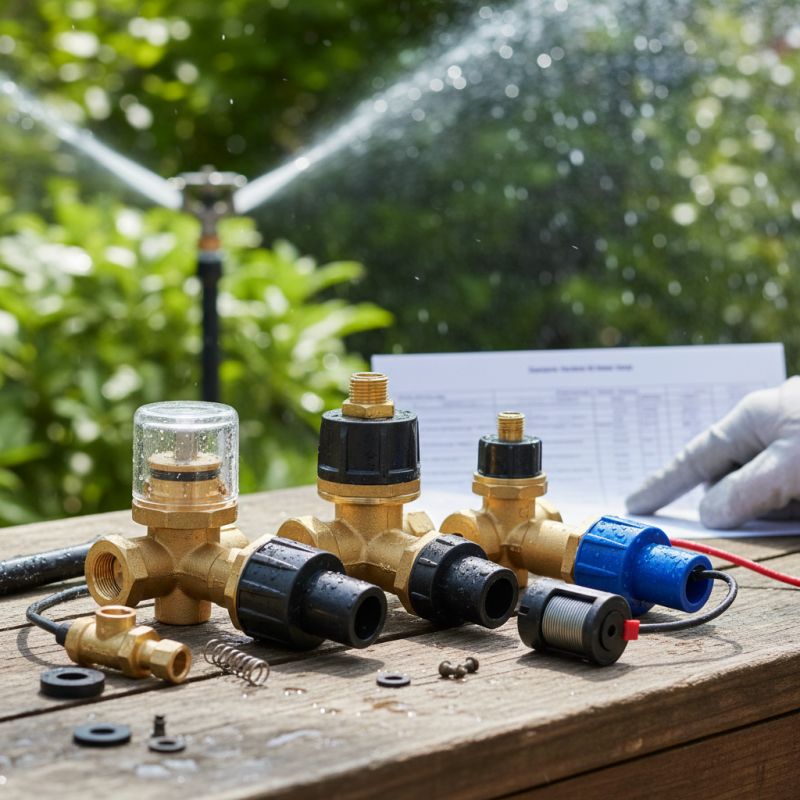
Understanding solenoid valves is crucial for effective irrigation systems. These devices control the flow of water based on electrical signals. They consist of a coil, plunger, and valve body. When electricity passes through the coil, it creates a magnetic field. This field moves the plunger, opening or closing the valve. This action regulates water flow precisely.
Choose a solenoid model based on your specific needs. Consider the water pressure and flow rate in your system. Also, think about the environment; outdoor conditions can affect durability. Solenoids may fail if not the right choice. There may be leaks or inefficient watering if improperly sized.
Installation matters too. Even the best solenoid won't work if installed incorrectly. Make sure to follow guidelines. Testing is essential after installation. Observe the system for any issues. Sometimes, the simplest solutions are overlooked. Regular checks can prevent costly repairs later on. A bit of attention goes a long way in maintaining your irrigation system efficiently.
Key Factors to Consider When Choosing a Solenoid Valve
When selecting a solenoid valve for your irrigation system, several key factors can enhance performance. The valve's size is crucial. It should match the pipe diameter. A mismatched size can lead to inefficiencies. Choose a valve that handles the flow rate needed for your system. Too small? It won’t allow proper flow. Too large? It might waste water.
Consider the type of solenoid valve. There are various options available. You can choose between normally closed and normally open valves. Each type serves different functions within your irrigation system. Think about the layout and operation. Are you watering regularly or just occasionally?
Tips: Always check the valve's compatibility with the irrigation controller. This can save you time during installation. Inspect the material of the valve. PVC and brass have different durability levels. Ensure you pick a robust option for your environment. Don't forget to factor in power requirements. Sometimes, valves need a specific voltage to operate correctly.
It’s vital to reflect on installation space. Sometimes, ideal valves don't fit the physical space. You might need to adjust equipment or use alternative solutions. This can lead to unexpected delays. A careful evaluation helps manage these challenges. A small mistake can cause significant disruptions later.
Types of Solenoid Valves Suitable for Irrigation Applications
Choosing the right solenoid valve is crucial for effective irrigation. Different types of solenoid valves suit various irrigation needs. Two common types are normally closed and normally open valves.
Normally closed valves only allow flow when energized. This design is useful for conserving water. They can prevent backflow and reduce wastage. On the other hand, normally open valves facilitate immediate water flow. They suit applications where consistent water supply is required.
Research shows that the agriculture sector could save up to 10-20% of water using efficient solenoid valves.
Selecting the right valve can sometimes be confusing. Many users overlook flow rates. It's essential to match the valve with the system's requirements. Erroneous choices can lead to poor performance and increased costs. Reports indicate that a significant portion of irrigation failures stems from incorrect equipment selection. Understanding the specific needs can help ensure optimal function.
Evaluating Specifications: Voltage, Flow Rate, and Pressure Ratings
When choosing a solenoid valve for your irrigation system, it's essential to evaluate key specifications. Voltage, flow rate, and pressure ratings are crucial. A solenoid valve typically operates on either AC or DC voltage. The choice affects performance and compatibility with your existing system. Check the system's voltage to avoid mismatches and operational issues.
Flow rate is another vital factor. It determines how much water your system can deliver. Different applications require different flow rates. Measure your system's needs before selecting a valve. Too high or too low a flow rate can lead to inefficiency.
**Tips:** Always check the pressure ratings of the valve. High pressure can damage some valves. Ensure the selected valve can handle your system's maximum pressure. Choosing a valve with a wider pressure range offers flexibility.
Many people overlook these details. It is easy to assume one valve fits all. However, imperfect selections can result in frequent issues. Reflect on your system's unique requirements before making a decision. A bit of extra time spent evaluating specifications can lead to a more efficient irrigation setup.
Choosing the Right Solenoid Valve for Your Irrigation System
| Specification | Value | Unit |
| Voltage | 24 | V AC |
| Flow Rate | 10 | GPM |
| Pressure Rating | 150 | PSI |
| Max Temperature | 160 | °F |
| Orifice Size | 0.5 | inches |
| Material | Brass | - |
Installation and Maintenance Tips for Solenoid Valves in Irrigation Systems
When installing solenoid valves in your irrigation system, choosing the right location is crucial. Place them near the water source for optimal performance. Ensure valves are accessible for easy maintenance. Clear any debris from the area. An unexpected blockage can lead to system failures.
Regular maintenance is essential for efficiency. Inspect the valves periodically for leaks or any signs of wear. Check the wiring connections too. Sometimes, simple issues can cause significant problems. Replace any damaged components promptly. Cleaning the valves can prevent build-up, which affects their operation. Consider the weather when planning maintenance tasks.
Remember, not every decision will be perfect. Take time to reflect on the setup. Observe how the system functions under different conditions. Adapt your approach if needed. Understanding the nuances of solenoid performance will lead to better water management in your garden or landscape. Keep testing and improving your methods for the best results.