How to Choose the Best Panel PC for Your Business Needs?
Choosing the right panel PC for your business can be challenging. Expert David Wong, a leading authority in industrial computing, emphasizes, "The right panel PC can revolutionize your workspace." His words resonate with many businesses looking to enhance their operations.
Panel PCs come with diverse features. They range from touchscreen capabilities to rugged designs. Each choice impacts usability and efficiency. Many businesses overlook the specifics, focusing only on brand names. Yet, understanding your unique needs is crucial. For example, consider how often your panel PC will be exposed to harsh conditions. This decision could mean the difference between reliability and constant repairs.
Finally, remember that not every panel PC suits every environment. It's essential to assess your requirements carefully. Reflect on your team's daily tasks. Gather input from them. This collaboration can lead to a more informed purchase. The perfect panel PC does exist, but it requires thoughtful consideration.
Understanding Your Business Requirements for a Panel PC
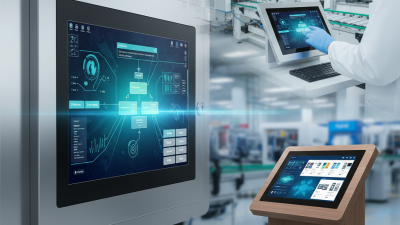
When selecting a panel PC for your business, understanding requirements is crucial. Start by assessing your operational environment. Are you in manufacturing, retail, or healthcare? Each sector has unique needs. For instance, a report from Industry Week indicates that 70% of manufacturing firms rely on real-time data from panel PCs for operational efficiency. This statistic underscores the necessity of choosing a device that suits your specific industry challenges.
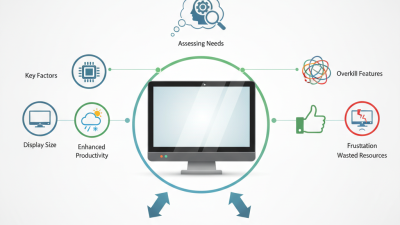
Next, consider the performance required for your applications. The Computing Technology Industry Association (CompTIA) notes that about 60% of businesses value durability and speed. If your panel PC will be used in high-traffic areas or harsh conditions, durability is non-negotiable. Furthermore, the size and resolution of the display can impact user experience significantly. A crisp, large screen may enhance visibility and productivity, especially if staff are interacting with complex software.
While price might be a driving factor, reflecting on total cost of ownership is essential. Maintenance, upgrades, and energy consumption can add up. According to a recent study, businesses often overlook these costs, which can lead to larger expenses down the line. Balancing these factors requires thoughtful planning and consultation with IT professionals to ensure the best fit for your operational needs.
Key Features to Consider When Selecting a Panel PC
When selecting a panel PC for your business, consider a few essential features. The display quality is critical. A bright, resolution-rich screen can enhance visibility in various lighting conditions. According to industry data, a panel PC with an IP65 rating can provide excellent dust and water resistance, ideal for manufacturing environments. A robust touchscreen with multitouch capabilities can improve efficiency in interactive applications, increasing user satisfaction.
Next, performance specifications are vital. Look for a panel PC with a powerful processor and sufficient RAM. For instance, a device equipped with an Intel i5 processor can handle multitasking efficiently, supporting demanding applications. Furthermore, long-term reliability must not be overlooked. Systems with a lifespan of at least five years are often considered more reliable, reducing replacement costs.
Connectivity options also play a significant role. Panel PCs with multiple ports and wireless capabilities allow for easier integration into existing systems. According to a recent survey, 70% of businesses prioritize flexible connectivity when choosing tech devices. These features directly impact productivity and can result in a smoother workflow. Hence, take time to assess these aspects carefully to avoid potential operational hiccups in the future.
Assessing Performance Specifications and Compatibility
Performance specifications are crucial when choosing a panel PC for your business. Look at the processor type, speed, and the RAM capacity. These components dictate how smoothly your applications will run. If your business demands multitasking capabilities, opt for a higher RAM. A fast processor can significantly enhance productivity, especially in resource-heavy environments.
Compatibility also plays a vital role. Ensure that the chosen panel PC can integrate seamlessly with your existing systems. Investigate the operating system options and software compatibility. This will prevent future headaches and facilitate easier updates. Always consider the ports available for your peripherals, as this can affect functionality.
Evaluate your specific needs. For example, a touchscreen might be necessary for interactive applications. Smaller businesses might prioritize cost-effectiveness over advanced features. Consider future scalability. As your business grows, can the hardware support upgrades? Reflecting on these aspects will help in making a well-informed decision.
Evaluating Design and Usability for Operational Efficiency
When selecting a panel PC for your business, design and usability are paramount. A well-designed interface enhances operational efficiency. It should be intuitive, allowing users to navigate easily. Consider the physical attributes as well. A sleek, compact design might save space but ensure it doesn’t compromise functionality.
Check for touch responsiveness. A fast, error-free touch experience is crucial in busy environments. Pay attention to screen brightness as well. A display that's hard to read under bright light can lead to mistakes. Reflection issues might also hinder usability. Always test the usability before finalizing your choice.
Think about the ergonomic design. A comfortable user experience reduces fatigue during long hours of use. Consider the weight and mounting options as well. Bulky units can create challenges in positioning your panel PC effectively. Fit into the existing workspace seamlessly.
Evaluate the ease of access to ports and components. Complicated setups can disrupt workflow. Finally, seek feedback from actual users. They can provide insights that are often overlooked. Aim for a balance between functionality and comfort, as it directly impacts productivity.
Budget Considerations and Return on Investment for Panel PCs
When considering a panel PC for your business, budget plays a pivotal role. It's essential to define what you can realistically spend. Initial costs can vary significantly based on specifications and features. For instance, high-performance models often come with a hefty price tag. However, cheaper options might compromise on quality and durability. Investing a bit more upfront can lead to better long-term value.
Return on investment (ROI) should also factor into your decision-making process. A reliable panel PC can enhance productivity and streamline operations. Take into account how often staff will use the device and what tasks it needs to perform. Evaluate potential gains in efficiency against the cost of purchase and maintenance. Sometimes, the cheapest option may not yield the best results. Regular downtime can incur extra costs.
Consider potential upgrades as well. Future-proofing your panel PC can be beneficial. This might require a larger initial investment, but it can save you from costly replacements shortly after purchase. Investing in a modular design may allow for easy upgrades, thus extending the life of the unit. Thoughtful budgeting and a clear understanding of expected returns will lead to a more suitable choice for your needs.