Why Choose the Right Drop Cable for Your Connectivity Needs?
Choosing the right Drop Cable for your connectivity needs is essential for reliable performance. Drop cables play a significant role in telecommunications. They connect buildings to networks and ensure that signals are efficiently transmitted.
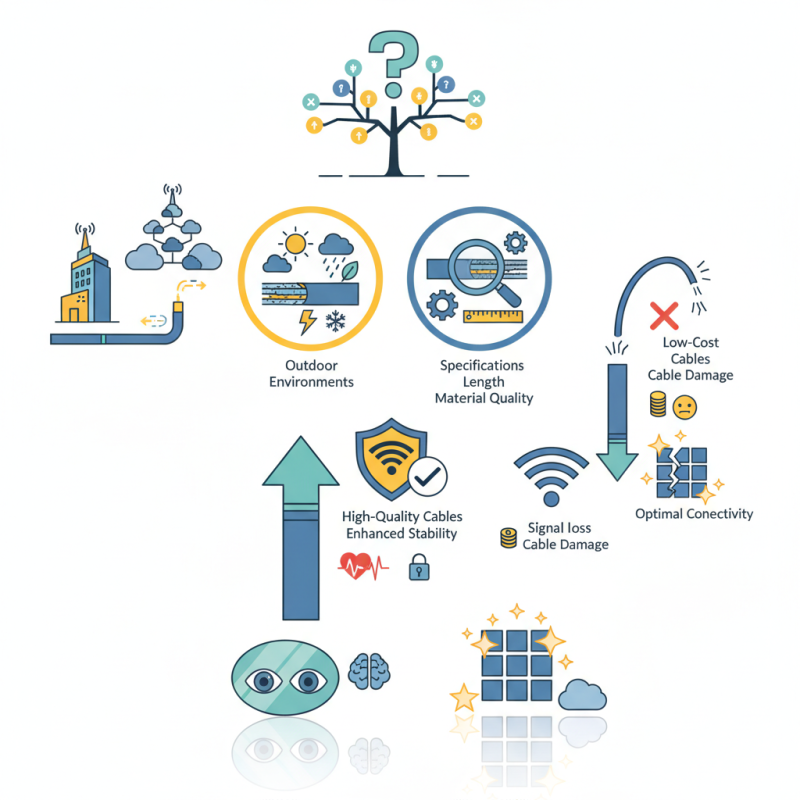
Selecting the appropriate drop cable involves several considerations. Different environments require different materials. For instance, outdoor drop cables need to withstand harsh weather conditions. Overlooking these details can lead to issues like signal loss or cable damage.
Understanding the specifications of drop cables is crucial. Factors like length, insulation, and material quality can affect overall performance. Investing in high-quality drop cables can enhance connection stability. However, not all users recognize their importance. Many might choose cables based solely on cost, missing out on long-term benefits. It's vital to reflect on these choices for optimal connectivity.
Understanding Drop Cables and Their Importance in Connectivity
When it comes to connectivity, drop cables play a crucial role. These cables connect service providers to individual customers, ensuring reliable internet and telecommunication services. Understanding the types of drop cables can significantly improve network performance. For instance, optical fiber drop cables have emerged as the preferred choice due to their high speed and bandwidth capabilities.
According to industry reports by the Fiber Optic Association, over 80% of new installations favor fiber drop cables. They deliver faster data rates, reduce latency, and offer greater resistance to interference. In contrast, traditional copper cables, while still in use, struggle to keep pace. They are less efficient, especially over long distances, causing service degradation. This discrepancy highlights the need for careful consideration in selecting the appropriate cable type.
However, the choice isn’t always straightforward. Challenges exist, such as installation costs and maintenance considerations. Some areas may lack the necessary infrastructure to support advanced drop cables. Additionally, while fiber provides speed, it may not be the silver bullet for all network issues. Balancing these factors is essential for meeting connectivity needs effectively.
Why Choose the Right Drop Cable for Your Connectivity Needs?
| Cable Type | Material | Typical Applications | Length Options | Maximum Data Rate | Durability Rating |
| Single-mode Fiber | Glass Fiber | Long-distance telecommunication | 1m - 300m | Up to 10 Gbps | 20 years |
| Multi-mode Fiber | Glass Fiber | Data centers, Local Area Networks | 1m - 150m | Up to 400 Gbps | 15 years |
| Copper Drop Cable | Copper | Home and office networks | 1m - 100m | Up to 1 Gbps | 10 years |
| Armored Fiber Cable | Glass Fiber with Steel Armor | Outdoor applications, industrial environments | 1m - 200m | Up to 25 Gbps | 25 years |
Key Factors to Consider When Choosing Drop Cables
When choosing the right drop cables, several key factors can significantly impact your connectivity experience. One of the most critical elements is the cable's material. Fiber optic cables, for example, offer high-speed internet but require careful installation. Copper cables may be less expensive but might not support higher bandwidths as efficiently. Assessing the material based on your specific needs is essential.
Next, consider the distance the cable will cover. Longer distances can lead to signal loss, especially with copper. In environments where the length exceeds standard limitations, fiber optics become a better choice. Environmental factors such as temperature and humidity also play a vital role. Outdoor cables need to withstand harsher conditions compared to those used indoors. Making a choice that aligns with your location and installation type can enhance performance and longevity.
Lastly, cable compatibility is another factor not to overlook. Ensure that the chosen drop cable works seamlessly with your existing infrastructure. Sometimes, people overlook this step and face connection problems later. Testing the compatibility beforehand can save time and resources in the long run. Taking the time to understand these key considerations will help secure a reliable and efficient connectivity solution.
Connectivity Needs: Drop Cable Performance Comparison
This chart illustrates the bandwidth capabilities of various drop cable types commonly used for connectivity. Fiber optic cables offer the highest bandwidth, making them suitable for high-speed internet applications, while twisted pair cables are more adequate for basic networking needs.
Types of Drop Cables and Their Specific Uses
When selecting drop cables, understanding their types is crucial. Each type serves unique connectivity needs. For instance, fiber optic drop cables are ideal for high-speed data transmission. They excel in environments requiring quick, reliable connections. These cables are also resistant to electromagnetic interference, making them perfect for urban settings.
Another popular choice is coaxial drop cables. They are widely used for television and internet services. Their construction allows for effective signal transmission over longer distances. However, they are less suitable for high-bandwidth applications compared to fiber optics. Installing coaxial cables requires careful consideration of the environment. Over time, they might degrade if not maintained properly.
Twisted pair cables, such as CAT5 or CAT6, are also prevalent. These cables are often utilized for local area networks (LANs). They offer decent speed and are cost-effective. However, they can be limited by distance and may require quality testing. Understanding these distinctions can lead to more informed decisions. Selecting the right drop cable affects connectivity performance significantly. It's worth researching and analyzing the options available.
Comparative Analysis of Materials Used in Drop Cables
When choosing drop cables, understanding the materials used is crucial. The most common materials include optical fibers, copper, and hybrid designs. Optical fibers offer high bandwidth and low signal loss, making them ideal for modern networks. According to a report by the Fiber Optic Association, fiber optic connections can transmit data over long distances without degradation.
Copper cables, while more affordable, struggle with distance and bandwidth limitations. The International Telecommunications Union highlights that copper cables can degrade quickly, affecting performance. Hybrid cables combine the strengths of both materials, providing versatility in connectivity options. They adapt to various environments, enhancing network reliability.
Tips: Always evaluate the installation environment. For outdoor setups, consider UV-resistant materials. In humid areas, moisture-resistant options are essential to prevent damage.
Careful material selection impacts network longevity. The wrong choice can lead to higher maintenance costs. Regular assessments of your cable infrastructure help identify potential issues before they affect performance. The right drop cable can optimize your connectivity needs effectively.
Maintaining and Troubleshooting Drop Cables for Optimal Performance
Drop cables play a crucial role in maintaining robust connectivity. However, performance issues often arise due to improper handling or environmental factors. According to industry reports, over 30% of connectivity failures are linked to cable faults. Regular maintenance is essential for avoiding downtime.
Inspecting drop cables periodically ensures they are free from physical damage. This includes checking for bends, kinks, or signs of wear. It’s important to monitor cable tension, as excessive strain can lead to breakage. Inadequate securing methods are often overlooked, but securing cables properly can prevent unexpected failures.
Troubleshooting drop cables can be challenging. Common issues include insufficient signal strength and intermittent connectivity. An easy first step is to verify connections at both ends. If problems persist, using specialized testing equipment can identify faults. Reports show that 20% of connectivity issues could be resolved by simple adjustments. Regular assessments can save time and costs. Focusing on consistent performance leads to a more reliable connectivity experience.