Why Choose a Ruggedized PC for Harsh Environments?
In today's demanding industries, a ruggedized PC stands out as a vital tool. Harsh environments pose unique challenges for traditional computers. Extreme temperatures, moisture, and dust can quickly damage standard devices. In contrast, ruggedized PCs are built to withstand these conditions. They utilize stronger materials and advanced engineering. This ensures functionality in the most difficult settings.
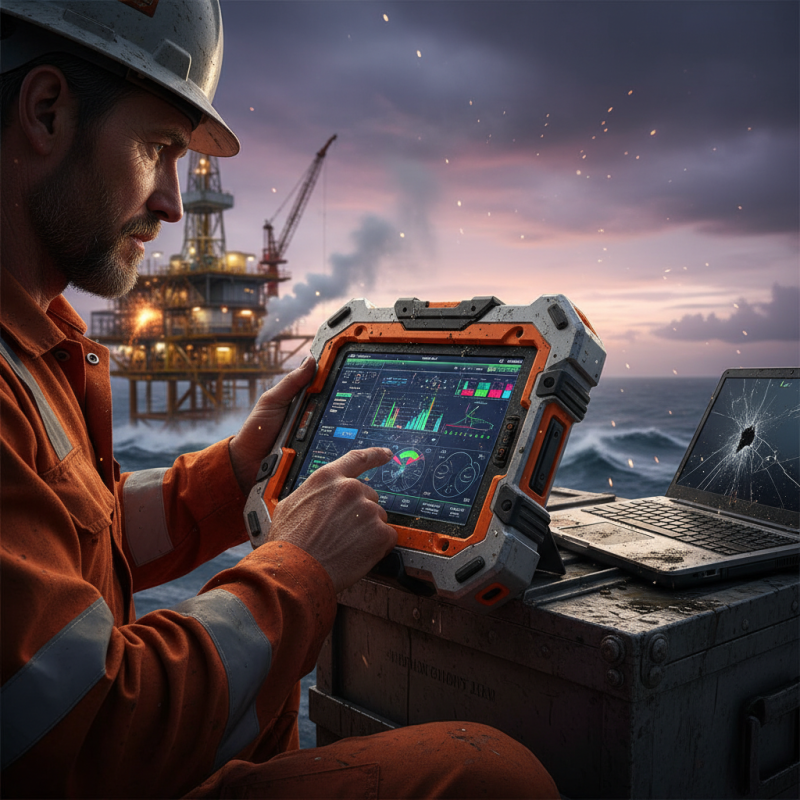
Consider an oil rig worker using a ruggedized PC. Dust and oil spills are common. Yet, the device functions seamlessly, providing crucial data. In contrast, a regular laptop would fail quickly under such stress. Such scenarios highlight the importance of durability and reliability.
However, choosing a ruggedized PC is not without its challenges. These devices can be more expensive. Businesses must weigh cost against the risks of equipment failure. A ruggedized PC may not be necessary for all applications, leading to potential over-investment. Each situation requires careful consideration to ensure it meets specific needs. Understanding these factors is essential when selecting technology for harsh environments.
Advantages of Ruggedized PCs in Extreme Conditions
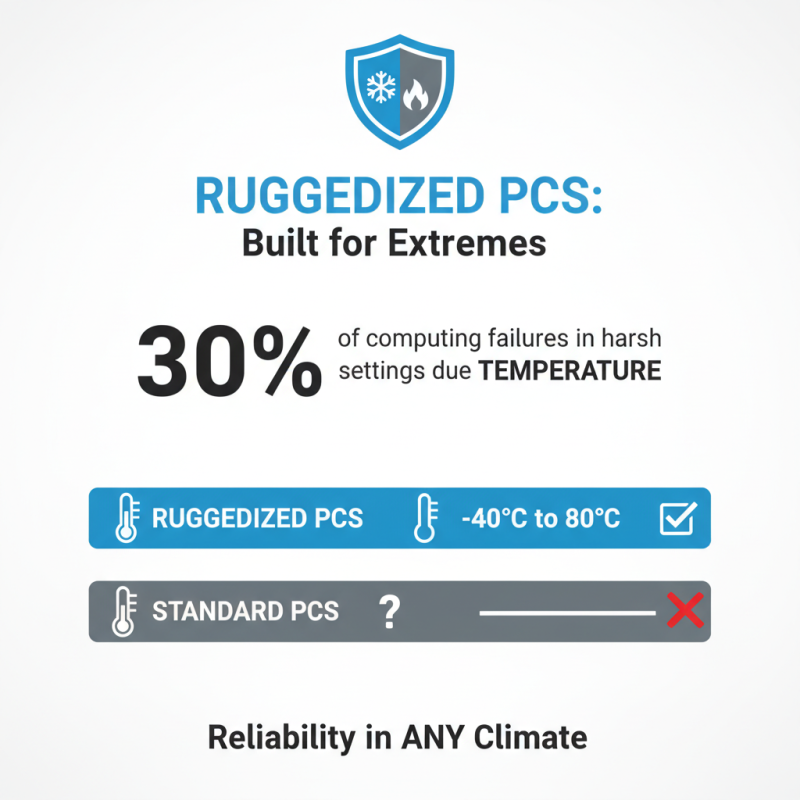
Ruggedized PCs are designed for extreme environments. They can withstand harsh conditions that standard PCs cannot. According to a recent industry report, about 30% of computing failures in challenging settings are due to temperature extremes. Ruggedized PCs can operate in temperatures from -40°C to 80°C, making them reliable in various climates.
Additionally, these devices are often resistant to dust, water, and shock. Research indicates that up to 20% of equipment damage comes from environmental factors. Ruggedized PCs often meet military standards for durability. Their construction minimizes maintenance needs. This means reduced downtime for operations.
However, choosing a ruggedized PC can be more expensive upfront. Organizations may hesitate due to budget concerns. It’s essential to weigh the long-term benefits against initial costs. The right choice improves efficiency and safety. A failure in harsh conditions can lead to significant losses. Therefore, investing in a ruggedized solution may prove worthwhile in the long run.
Key Features of Ruggedized PCs for Harsh Environments
Ruggedized PCs are designed to thrive in harsh environments, where regular computers often fail. They boast features that set them apart. First, their enclosures are made from strong materials, protecting against impacts and vibration. Research shows that 70% of tech failures occur due to physical damage. Each rugged PC undergoes strict testing to meet military specifications, such as MIL-STD-810G.
Another critical feature is humidity and temperature resistance. Many rugged PCs can operate in temperatures ranging from -20°C to 60°C. This resilience is essential in industries like oil and gas, where extreme conditions are common. A report from the International Data Corporation indicates that 60% of businesses report productivity losses from unexpected equipment failures.
Tips: Investing in a ruggedized PC can reduce downtime. Encourage regular maintenance checks to ensure durability. Operators should be trained in handling equipment in extreme conditions. Understanding these unique features can lead to smarter purchasing decisions and better operational efficiency.
Applications of Ruggedized PCs in Various Industries
Ruggedized PCs are essential in various industries where traditional computers fail. These devices withstand extreme temperatures, vibrations, and moisture. For example, in the military sector, they are used in vehicles and command centers.
Portable rugged PCs ensure soldiers can access critical data in the field. Even in combat situations, reliability is crucial.
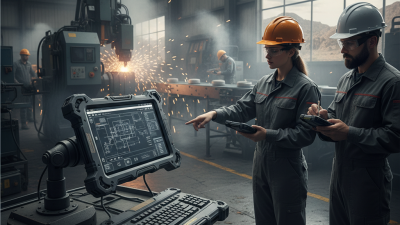
In manufacturing, ruggedized PCs monitor machines on the factory floor. They resist dust and liquids, reducing the risk of failure. Workers rely on these computers for real-time analytics. However, sometimes, these devices may not integrate well with legacy systems, causing workflow disruptions.
In the field of transportation, ruggedized PCs assist in logistics operations. They handle route optimization and live tracking. These tasks demand robust performance under challenging environmental conditions. Yet, complexities can arise when updating software. Balancing performance and compatibility is important for optimal functionality.
Comparison of Ruggedized PCs and Standard PCs
When evaluating ruggedized PCs versus standard PCs, key differences arise. Ruggedized PCs can endure extreme temperatures, vibrations, and moisture. They typically feature reinforced designs, making them ideal for tough work sites. In contrast, standard PCs often fail in harsh conditions. A study by VDC Research shows that rugged devices have a 30% lower failure rate compared to their non-rugged counterparts.
In terms of performance, ruggedized PCs don't compromise. They offer strong processing power to handle demanding applications in various fields. Reports indicate that industries embracing ruggedized solutions see productivity grow by 25%. Workers in manufacturing, military, and outdoor environments benefit the most. They rely on reliable tech that withstands the elements.
**Tip:** Always assess your work environment before choosing a PC. For rugged settings, prioritize durability over standard features.
**Tip:** Consider the total cost of ownership. While ruggedized PCs may seem pricier upfront, they often save money in the long run by reducing downtime.
Many organizations still overlook the importance of rugged solutions. They may choose standard PCs for cost reasons, but this can lead to increased repair costs. Rethink your strategy.
Comparison of Ruggedized PCs and Standard PCs in Harsh Environments
Considerations When Selecting a Ruggedized PC
When selecting a ruggedized PC for harsh environments, several factors come into play. First, consider the operating temperature range. A ruggedized PC should function well in extreme heat or cold. Look for models rated for these conditions. Also, think about humidity. A device that withstands high moisture levels is crucial in wet environments.
Durability is another key element. The PC should resist dust, dirt, and vibrations. This is particularly important in construction or outdoor settings. Selecting models with military-grade specifications can provide this assurance. Moreover, check for shock resistance. A drop onto a hard surface should not lead to failure.
Connectivity options matter too. Ensure the PC has necessary ports for your devices. Wireless capabilities are beneficial; they allow flexibility. Battery life is also essential, especially in remote areas. A long-lasting battery keeps your work going. Bear in mind that the right rugged PC might cost more upfront. However, the investment pays off with longevity and reliability in challenging conditions.
Why Choose a Ruggedized PC for Harsh Environments? - Considerations When Selecting a Ruggedized PC
| Criteria |
Description |
Importance |
| Durability |
Ability to withstand drops, vibrations, and impacts. |
High |
| Temperature Range |
Operates effectively in extreme temperatures, both hot and cold. |
High |
| Water and Dust Resistance |
Meets IP67 or higher standards for protection against dust and moisture. |
Essential |
| Battery Life |
Extended battery life for use in remote areas without power sources. |
Moderate |
| Connectivity Options |
Includes multiple ports and wireless options for versatility. |
High |
| Weight |
Lightweight design for easy transport in the field. |
Moderate |
| Serviceability |
Ease of maintenance and availability of spare parts. |
High |