How to Choose the Right Industrial Computer Company for Your Needs
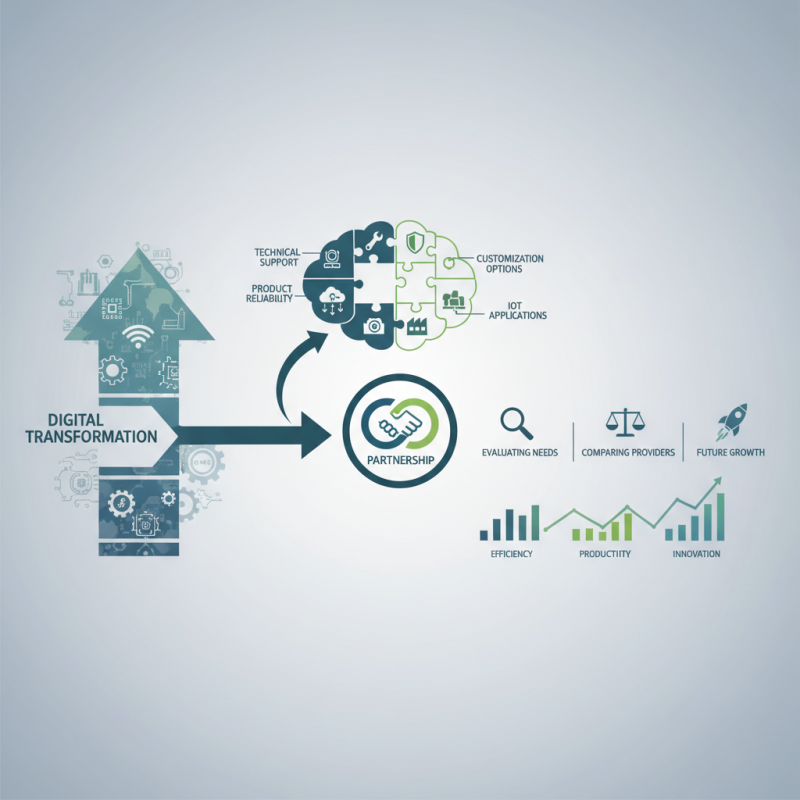
Choosing the right industrial computer company is a critical decision for many businesses operating in technology-driven environments. As industrial sectors continue to evolve and embrace digital transformation, the demand for robust and reliable computing solutions has surged. An industrial computer company plays a pivotal role in ensuring that organizations have the necessary tools to maintain efficiency, enhance productivity, and implement innovative processes.
In this increasingly competitive landscape, selecting a partner that aligns with your specific needs and objectives can make all the difference. Whether you're looking for high-performance computing for automation, data processing, or IoT applications, understanding the core competencies and offerings of potential providers is essential. Evaluating factors such as technical support, product reliability, and customization options will help you identify the best fit for your operational requirements.
By taking a strategic approach to this selection process, you can ensure that your investment in an industrial computer company not only meets your current demands but also positions you for future growth and success. This guide aims to illuminate the key considerations and steps involved in making an informed choice, ultimately empowering your business to thrive in the digital age.
Identifying Your Specific Industrial Computing Requirements
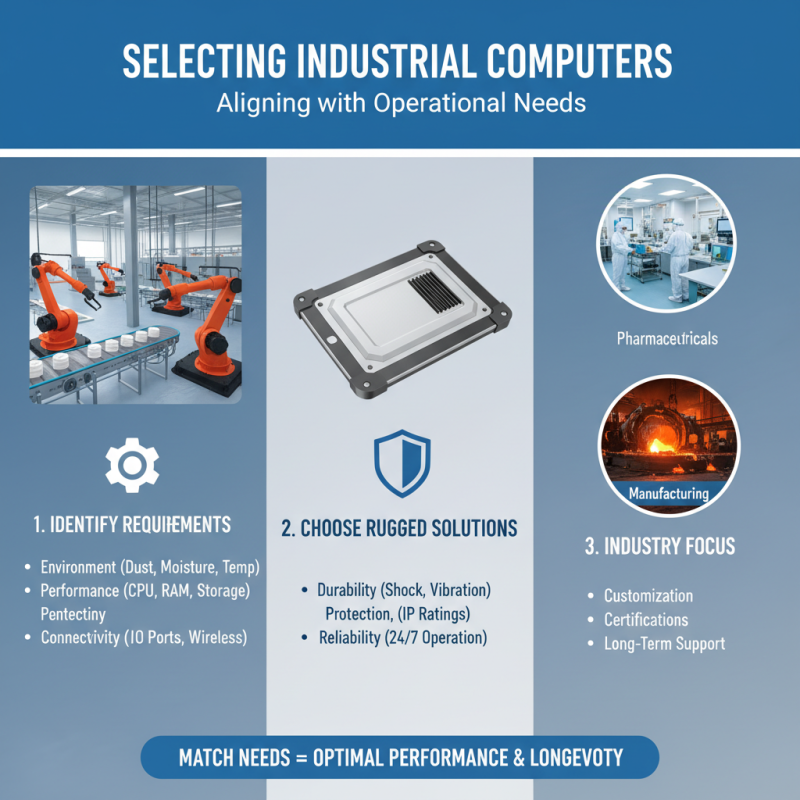
When selecting an industrial computer company that aligns with your specific computing needs, it’s crucial to clearly identify your operational requirements first. Consider the environment in which the computer will be deployed. Industries such as manufacturing or pharmaceuticals may expose equipment to harsh conditions, including dust, moisture, and extreme temperatures. Thus, focusing on ruggedized computing solutions that can withstand these situations is essential.
**Tips:** Assess the certifications and durability ratings of the products, as they offer insight into their performance in challenging conditions.
Next, consider the performance characteristics required for your tasks. This involves evaluating the processing power, memory, storage capacity, and connectivity options necessary for your applications. Different industries demand varying levels of computational capability, so having a clear list of software applications and processes that the computer must handle will guide your selection.
**Tips:** Collaborate with your IT team or relevant specialists to outline these performance requirements. They can provide vital input on potential future upgrades and scalability, ensuring your investment remains relevant as your needs evolve.
Evaluating Technical Specifications and Performance Metrics
When selecting an industrial computer company, it's essential to closely evaluate technical specifications and performance metrics to ensure that the equipment meets your operational requirements. A recent market analysis indicates that the demand for industrial computers with advanced processing power has surged, with projections estimating that the market will grow at a CAGR of 6.4% through 2025. This growth underscores the importance of choosing a provider that offers systems with cutting-edge CPUs, robust GPUs, and ample memory capacity to handle intense computational tasks.
In particular, metrics such as temperature tolerance, shock resistance, and energy efficiency are critical. According to the Industrial Computer Trends Report 2023, nearly 80% of industrial operations reported that overheating and hardware failure significantly impacted productivity. Therefore, when examining a potential supplier, inquire about compliance with industry standards like IP ratings for dust and moisture resistance, and MIL-STD certifications for ruggedness. Furthermore, assessing energy consumption metrics can reveal long-term operational costs, suggesting that models with efficient power usage save an average of 15% annually compared to their counterparts.
Ultimately, leveraging these technical specifications and performance metrics will guide you in selecting an industrial computer company that not only aligns with your immediate needs but also supports your enterprise's scalability and efficiency in the long run.
Researching and Comparing Potential Industrial Computer Companies
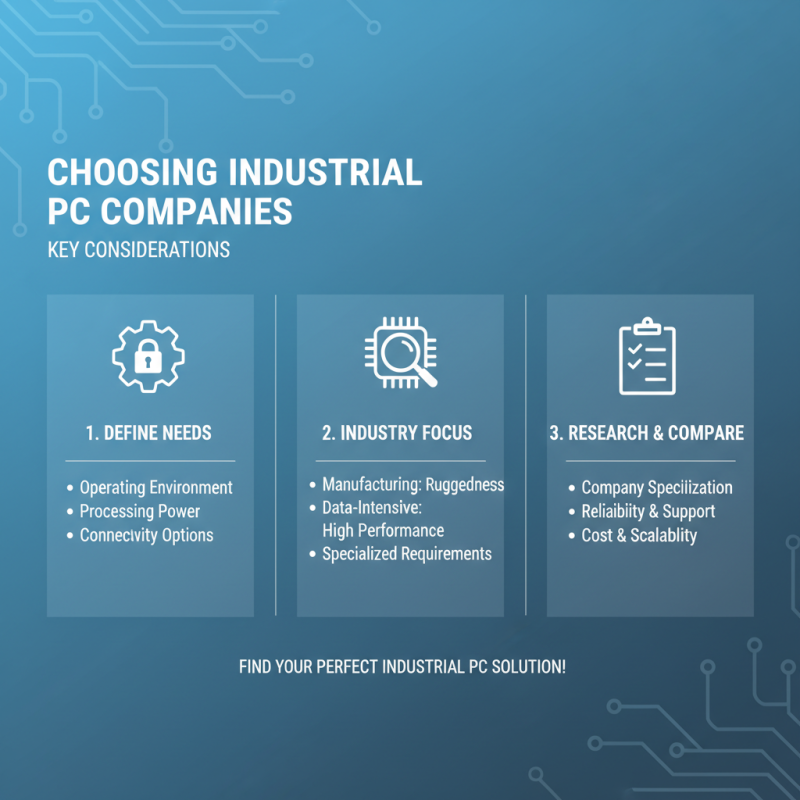
When researching and comparing potential industrial computer companies, it’s essential to start by identifying your specific needs and requirements. Consider factors such as the operating environment, processing power, and connectivity options that your applications demand. Different industries may prioritize different features, such as ruggedness for manufacturing settings or high performance for data-intensive tasks. Gathering this information will help you narrow your search to companies that specialize in fulfilling particular industrial requirements.
Next, evaluate the reputation and track record of the companies on your shortlist. Look for customer reviews, case studies, and testimonials that highlight their experience and reliability in delivering robust industrial computing solutions. It's also beneficial to assess the level of customer support offered, including warranty policies and post-purchase service. A company that provides excellent technical support can be invaluable in resolving issues quickly and minimizing downtime in your operations. Performing thorough comparisons based on these criteria will ensure you make an informed decision tailored to your unique industrial computing needs.
Assessing Customer Support and Service Options
When choosing the right industrial computer company, assessing customer support and service options is crucial. The level and quality of support offered can significantly impact your operational efficiency and downtime. A company that prioritizes customer service will provide timely assistance through multiple channels, including phone, email, and live chat. It's essential to look for providers that offer 24/7 support, especially if your operations run around the clock. Quick response times and knowledgeable staff are indicators of a reliable support system that can address technical issues as they arise.
In addition to availability, consider the range of service options provided. Some companies offer on-site support, which can be invaluable for complex troubleshooting. Warranty terms and post-purchase service agreements are also critical factors; a company that stands behind its products with robust warranty and repair services can save you money and hassle in the long run. Look for companies that provide regular updates and maintenance options to keep your systems running smoothly. This commitment to customer service not only reflects the company's professionalism but also enhances your long-term relationship with them, ensuring you have the support you need as your business evolves.
Reviewing Industry Reputation and Customer Testimonials
When selecting an industrial computer company, customer testimonials and the overall reputation of the business play crucial roles in informing your choice. Reviews from past and current clients provide invaluable insights into the reliability and performance of the products, as well as the quality of customer service offered. Positive testimonials often highlight a company's responsiveness to customer inquiries, the competency of its technical support, and the overall satisfaction with the product's functionality in demanding environments. By focusing on these experiences, potential buyers can gauge whether a company aligns with their specific needs.
In addition to testimonials, a company's reputation within the industry is vital. This includes how well-established the company is, its history of innovation, and its standing among peers. Industries are often small communities where experiences and feedback are shared; thus, a company with a strong reputation is likely to have a proven track record of success and reliability. Evaluating how a company is perceived in trade publications, forums, and by industry experts can also provide context to the testimonials received. Together, these elements form a comprehensive picture that can greatly assist in making an informed decision when choosing an industrial computer supplier.
Comparison of Industrial Computer Company Reputation