How to Choose the Right Advantech Medical Tablet for Your Healthcare Needs
In the rapidly evolving landscape of healthcare technology, the integration of advanced medical devices, particularly tablets, has become imperative for delivering efficient patient care. According to a recent report by Grand View Research, the global market for healthcare tablets is projected to reach $6.8 billion by 2025, reflecting a growing recognition of the importance of mobility and accessibility in healthcare settings. Amidst this surge, the Advantech Medical Tablet stands out as a leading solution, tailored to meet the unique demands of healthcare professionals.
Choosing the right Advantech Medical Tablet involves careful consideration of various factors, including performance specifications, durability, and compatibility with existing healthcare systems. Research by Frost & Sullivan indicates that nearly 80% of healthcare providers prioritize mobility solutions that can seamlessly integrate with their clinical workflows. As healthcare environments become increasingly data-driven and patient-centered, the need for reliable medical tablets that enhance communication, streamline operations, and improve patient outcomes has never been greater. Evaluating the specific features of the Advantech Medical Tablet will empower healthcare providers to make informed decisions that align with their organizational needs and enhance the overall patient experience.

Factors to Consider When Selecting Advantech Medical Tablets for Healthcare
When selecting the right Advantech medical tablet for your healthcare needs, several key factors must be carefully considered to ensure optimal functionality and performance in clinical settings. Firstly, the device's operating system and software are crucial, as they must be compatible with existing healthcare applications and electronic health records (EHR) systems. A tablet that supports user-friendly interfaces and customization can enhance workflow efficiency, making it easier for healthcare professionals to access patient data on the go.
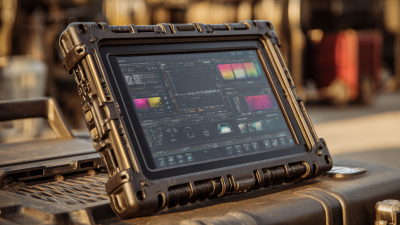
Another important aspect is the device's durability and hygiene features. Medical environments often require equipment that can withstand frequent cleaning and disinfection without compromising performance. Look for tablets that are IP-rated for water and dust resistance, as well as those designed with antimicrobial coatings. Battery life is also a significant consideration; a tablet with extended battery performance ensures that healthcare providers can rely on it throughout long shifts without interruption. Overall, prioritizing these factors will help you make an informed decision and select the most suitable Advantech medical tablet tailored to your healthcare needs.
How to Choose the Right Medical Tablet for Your Healthcare Needs
| Feature |
Considerations |
Importance Level |
| Display Quality |
High resolution for clear visibility of medical data |
High |
| Durability |
Waterproof and drop-resistant for harsh environments |
High |
| Battery Life |
Long-lasting capacity for continuous use |
Medium |
| Operating System |
Compatibility with healthcare applications |
High |
| Portability |
Lightweight design for easy transport |
Medium |
| Security Features |
Data encryption and user authentication |
High |
Understanding the Key Specifications of Advantech Medical Tablets
When selecting the right medical tablet for your healthcare needs, understanding key specifications is crucial.
Advantech medical tablets are designed with features that cater to the demands of the healthcare industry, such as ruggedness, display clarity, and connectivity. These tablets support critical applications in hospitals and clinics, ensuring that healthcare professionals can access patient data efficiently and securely.
Tips: Consider the device’s operating system and ensure it is compatible with your existing software. Look out for screens with high-resolution and anti-glare properties to facilitate usage in varying lighting conditions. Furthermore, pay attention to battery life; a longer-lasting battery can significantly enhance productivity in a busy healthcare environment.
In light of recent developments in the healthcare technology sector, such as Advantech’s investment in enhancing smart medical solutions, it is important to also evaluate the support and services offered by the manufacturer. This ensures that you receive not only a quality device but also ongoing support to maximize your investment. By focusing on these specifications and considerations, healthcare providers can make informed decisions when choosing the right equipment.
Evaluating the Integration of Advantech Tablets in Healthcare Workflows
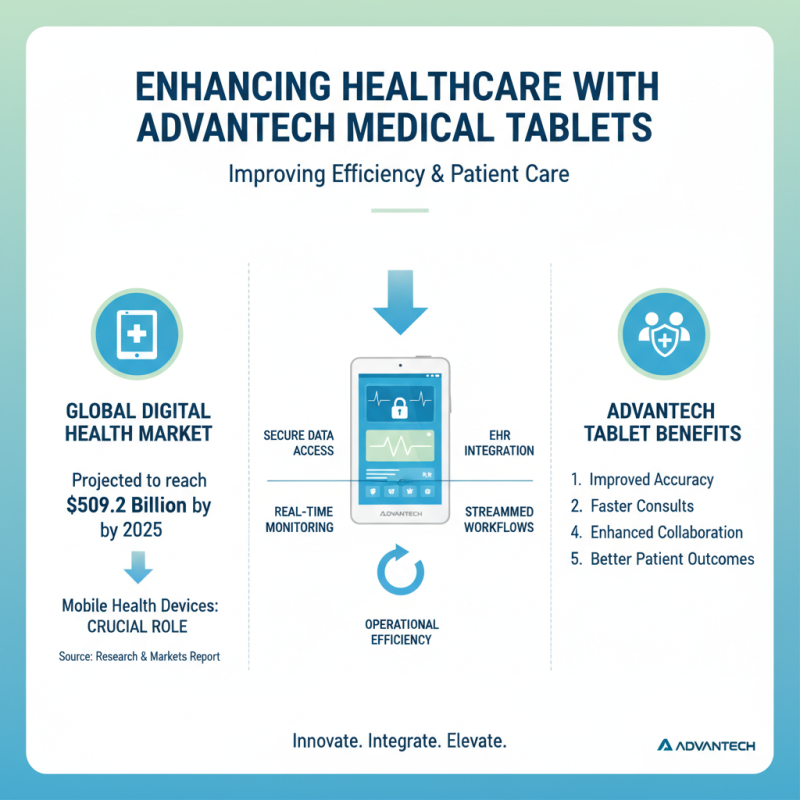
In the ever-evolving landscape of healthcare technology, integrating Advantech medical tablets into workflows can significantly enhance operational efficiency and patient care outcomes. A recent industry report by Research and Markets highlights that the global digital health market is projected to reach $509.2 billion by 2025, with mobile health devices playing a crucial role. Advantech's medical tablets, designed specifically for healthcare environments, align with this trend by offering secure data access, real-time patient monitoring, and seamless integration with electronic health record systems.
Incorporating Advantech tablets into healthcare workflows not only boosts productivity but also enhances clinical decision-making. According to a study by Deloitte, healthcare organizations that have adopted mobile technology report a 25% increase in staff efficiency and a 30% reduction in administrative errors. Features such as rugged design for durability, long battery life for extended use, and compatibility with clinical applications make Advantech tablets an essential tool for healthcare professionals. As hospitals seek to improve both quality of care and operational efficiencies, selecting the right technology for their specific needs becomes paramount, paving the way for better patient engagement and streamlined processes.
Analyzing the Impact of Advantech Medical Tablets on Patient Care Outcomes
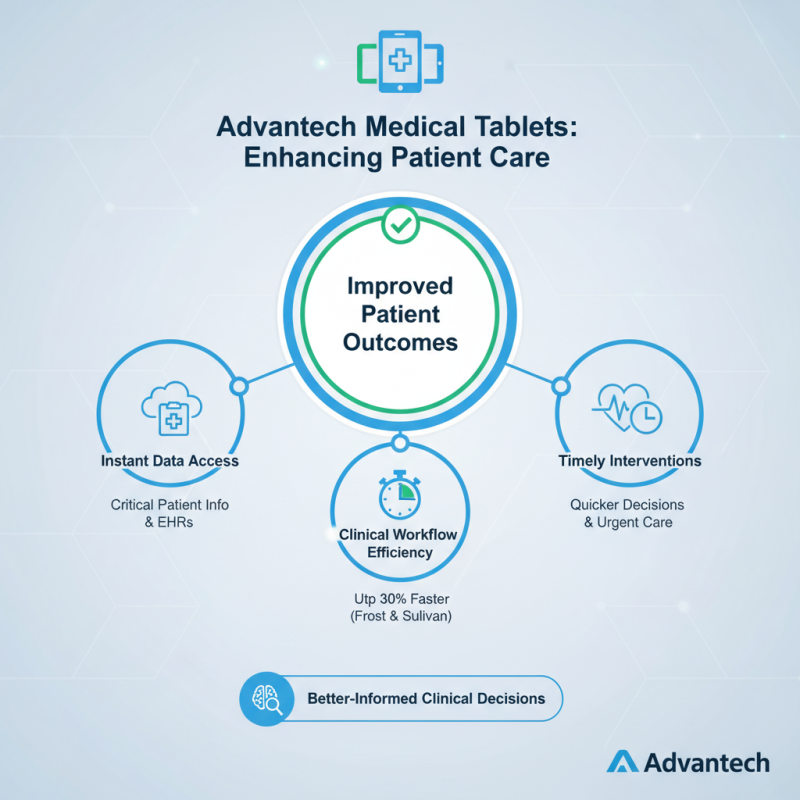
Advantech medical tablets have been shown to significantly enhance patient care outcomes by providing healthcare professionals with instant access to critical patient data. According to a report by Frost & Sullivan, the effective use of mobile health technologies, like Advantech's tablets, can improve clinical workflow efficiencies by up to 30%. This efficiency allows for quicker decision-making and timely interventions, which are crucial in urgent medical scenarios. Furthermore, the integration of electronic health records (EHR) on these portable devices ensures that nurses and doctors can monitor patient vitals and access historical data seamlessly, ultimately leading to better-informed clinical decisions.
In addition, a study published in the Journal of Medical Internet Research highlights that the use of tablet technology in healthcare environments leads to a 20% reduction in medication errors. This improvement is largely attributed to the tablets’ ability to provide real-time alerts and reminders regarding patient prescriptions, ensuring adherence to medication protocols. As healthcare continues to evolve toward a more patient-centered model, the adoption of Advantech medical tablets can be a game-changer, driving both operational efficiency and enhanced patient care outcomes.
Cost-Benefit Analysis of Investing in Advantech Medical Tablets for Clinics
Investing in Advantech Medical Tablets for clinics involves a thorough cost-benefit analysis to ensure that the potential return on investment aligns with healthcare needs. According to a report by the Healthcare Information and Management Systems Society (HIMSS), the integration of mobile technology in healthcare can lead to a 20% increase in operational efficiency. This enhancement is crucial in environments where time and accuracy are essential. Advantech Medical Tablets, designed specifically for healthcare settings, offer features such as easy sterilization, durable construction, and secure data handling that can significantly improve workflow and patient care.
When assessing the cost-effectiveness of these tablets, clinics should consider both the direct and indirect savings generated. A study published in the Journal of Medical Internet Research indicates that implementing mobile solutions can reduce patient wait times by up to 30%, leading to higher patient satisfaction and retention rates. Furthermore, the ability to access electronic health records (EHR) on-the-go allows clinicians to make informed decisions faster, potentially reducing costly errors associated with miscommunication.
Tips:
- Evaluate the total cost of ownership (TCO) by factoring in hardware, software, and potential savings from improved efficiency.
- Benchmark against similar healthcare facilities that have implemented mobile technology to understand expected gains in productivity and patient outcomes.
- Train staff on utilizing the tablets effectively to maximize the benefits of your investment.