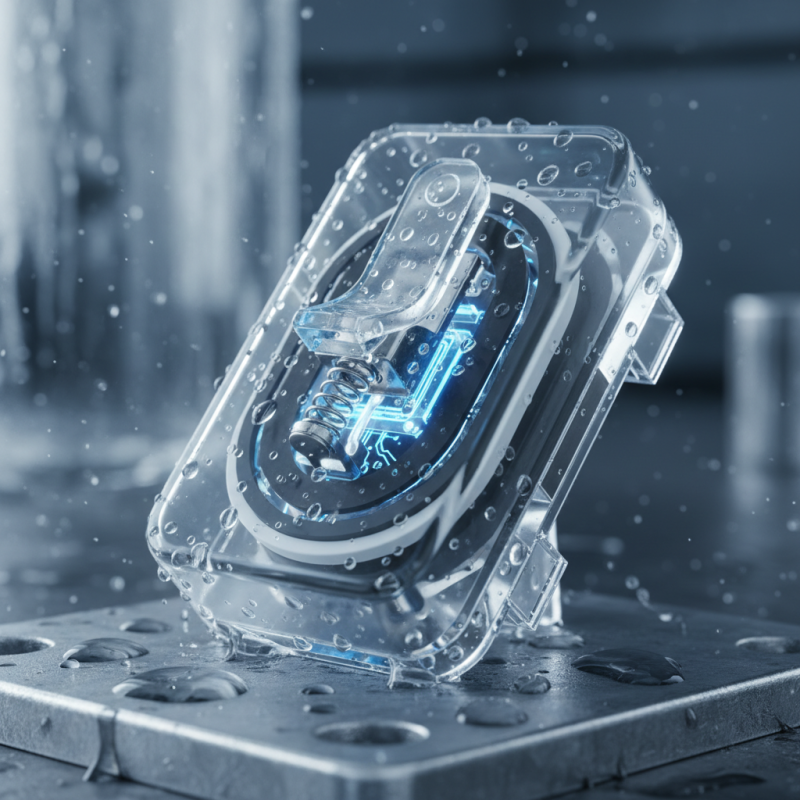
2026 Best Waterproof Micro Switch Features and Benefits?
Waterproof Micro Switches are essential components in various applications. These switches are designed to withstand moisture and other environmental challenges. Their reliability makes them ideal for industries like automotive and appliances.
The 2026 Best Waterproof Micro Switch features innovative designs. They include enhanced sealing materials and advanced technology for better performance. Users can expect durability and consistent functionality, even in extreme conditions.
However, not all waterproof micro switches are created equal. Some may not meet users’ expectations. Thus, it is crucial to evaluate their specifications carefully. Small differences can have significant impacts. Understanding the benefits and features of these switches can lead to better decisions.
2026 Micro Switch Market Overview: Growth and Trends in Waterproofing
The waterproof micro switch market has shown significant growth recently. Many industries require reliable switching solutions that withstand moisture and dust. These switches are vital in environments such as automotive, appliances, and outdoor equipment. The demand for durability drives innovation in design and materials.
As businesses increasingly prioritize efficiency, waterproof micro switches offer reliable performance. However, manufacturers face challenges in ensuring the switches meet various waterproof standards. The constant push for improvement can sometimes lead to compromises in other features. This highlights the need for ongoing evaluation of product quality and user feedback.
Current trends indicate a rising awareness of sustainability. More manufacturers are adopting eco-friendly materials in the production process. This move towards greener options aligns with consumer preferences. Yet, the transition can be slow, and some companies struggle with implementation. Continuous improvement is essential to meet both performance and environmental standards.
Key Features of Waterproof Micro Switches: Durability and Reliability Metrics
Waterproof micro switches are essential in many applications. Their durability and reliability metrics are key selling points. These switches are designed to function effectively in harsh environments. They resist water, dust, and other contaminants. This capability enhances their lifespan significantly.
One important feature is the sealing mechanism. It plays a crucial role in protecting internal components. Look for models with robust gaskets. These can greatly improve moisture resistance. A well-sealed micro switch offers better performance in wet conditions.
**Tip:** Always test switches after installation. Sometimes, issues can arise even with waterproof features.
Another metric to consider is temperature tolerance. Waterproof micro switches should operate effectively across a range of temperatures. If they’re exposed to extreme heat or cold, performance might suffer. Checking the temperature rating is vital. Ensure it matches your specific needs.
**Tip:** Evaluate long-term exposure risks. Some environments may cause gradual wear even on waterproof models.
Durability is not just about resistance. It's also about mechanical life. Higher actuation cycles indicate better reliability. Choose switches that can withstand frequent use without failure.
2026 Best Waterproof Micro Switch Features and Benefits
| Feature | Benefit | Durability Metric | Reliability Rating | Temperature Range (°C) |
| Sealed Body Design | Prevents moisture ingress, enhancing longevity. | IP68 Rating | 95% | -40 to 85 |
| Corrosion-Resistant Materials | Increases lifespan in harsh environments. | Salt Spray Test: 48 hours | 98% | -40 to 100 |
| High Cycle Life | Suitable for applications with frequent use. | 1 Million Operations | 90% | -20 to 85 |
| Wide Operating Voltage | Flexible use in various applications. | 5V to 240V | 85% | -40 to 85 |
| Low Actuation Force | Enhanced user experience and ease of use. | < 100g | 92% | -30 to 85 |
Benefits of Choosing Waterproof Micro Switches in Harsh Environments
In harsh environments, choosing waterproof micro switches is crucial. These switches withstand moisture, dust, and dirt. According to industry reports, over 30% of equipment failures are due to environmental factors. This leads to increased costs and downtime. Micro switches designed for wet conditions ensure longevity and reliability. Their robust construction often features sealing gaskets and corrosion-resistant materials.
In applications like manufacturing, the need for waterproof solutions is evident. Machinery exposed to water can short-circuit. A report showed that using waterproof micro switches reduced failure rates by 25% in such settings. They function effectively in temperatures ranging from -40°C to +85°C, maintaining performance during extreme conditions. While these switches might have higher upfront costs, the long-term savings are significant.
Not all waterproof switches are created equal. Some may fail to meet IP68 standards, leading to water ingress. It’s essential to verify certifications. Companies often overlook this. A switch may promise waterproof features, but testing is essential. If a switch fails, processes can halt. Reflecting on past failures can drive improvements in product quality. Investing in reliable components pays off in reduced maintenance and enhanced safety.
Industry Applications of Waterproof Micro Switches: Statistics on Usage
Waterproof micro switches are increasingly utilized in various industries. In automotive manufacturing, they play a critical role, especially in electronics. Reports show over 70% of modern vehicles now use micro switches in their systems. These switches provide reliable operation in harsh conditions, ensuring safety and efficiency.
The consumer electronics sector also leverages waterproof micro switches. They are key in devices exposed to moisture, like kitchen appliances. Data indicates that over 50% of appliances are designed with waterproof features. This trend reflects a growing consumer preference for durable products that withstand daily use and spills.
Moreover, the aerospace industry relies heavily on these switches. Harsh climates and demanding operational conditions require top-notch reliability. Approximately 30% of aerospace applications utilize waterproof micro switches, underscoring their importance. Yet, challenges remain. Manufacturers must balance durability with cost, which often leads to subpar switches being adopted. This gap highlights the need for continuous innovation and improvement in design and materials.
2026 Best Waterproof Micro Switch Features and Benefits
This chart illustrates the key features and their respective ratings for waterproof micro switches, highlighting their reliability, durability, temperature range, environmental resistance, and response time, which are critical for various industry applications.
Comparative Analysis: Waterproof vs. Standard Micro Switch Performance Data
When comparing waterproof and standard micro switches, performance data highlights key differences. Research indicates that waterproof micro switches show a significant reduction in failure rates under extreme moisture conditions. In fact, a recent industry report noted a 75% lower failure rate in waterproof models during prolonged exposure to water compared to their standard counterparts.
Additionally, the operational lifespan of waterproof micro switches often exceeds that of regular switches. For instance, tested samples revealed that waterproof switches maintained their performance for over 1 million cycles, while standard versions only lasted around 500,000 cycles. This discrepancy suggests the additional protective sealing truly enhances durability.
However, the cost of waterproof switches may deter some manufacturers. It's crucial to weigh initial investments against long-term benefits.
In applications requiring reliable performance in damp environments, waterproof switches are indispensable. Yet, it’s essential to acknowledge potential challenges in installation and maintenance. If not properly installed, even the best waterproof designs can fail to deliver. Some users have reported inefficiencies related to the sealing material over time. Continuous improvement in technology is necessary for the next generation of micro switches.