Best Uses of Solar Inverters for Global Buyers?
Solar inverters play a crucial role in harnessing solar energy efficiently. Their primary function is to convert direct current (DC) from solar panels into alternating current (AC) for household use. This process is essential for any solar power system. Understanding the best Uses Of Solar Inverters can lead to significant energy savings and increased efficiency.
Global buyers are increasingly recognizing the importance of these devices. They allow homeowners to power appliances, charge electric vehicles, and even contribute surplus energy back to the grid. However, it’s vital to consider the right type of inverter for specific needs. Not all solar inverters are created equal, and mismatches can result in diminished performance.
Choosing the right solar inverter requires expertise and careful thought. Factors like system size, energy consumption, and installation location matter greatly. Some buyers might overlook these details, leading to inefficient energy use. The best uses of solar inverters can maximize energy output and ensure a reliable power source. Proper research is necessary to avoid regrets and achieve optimal results.
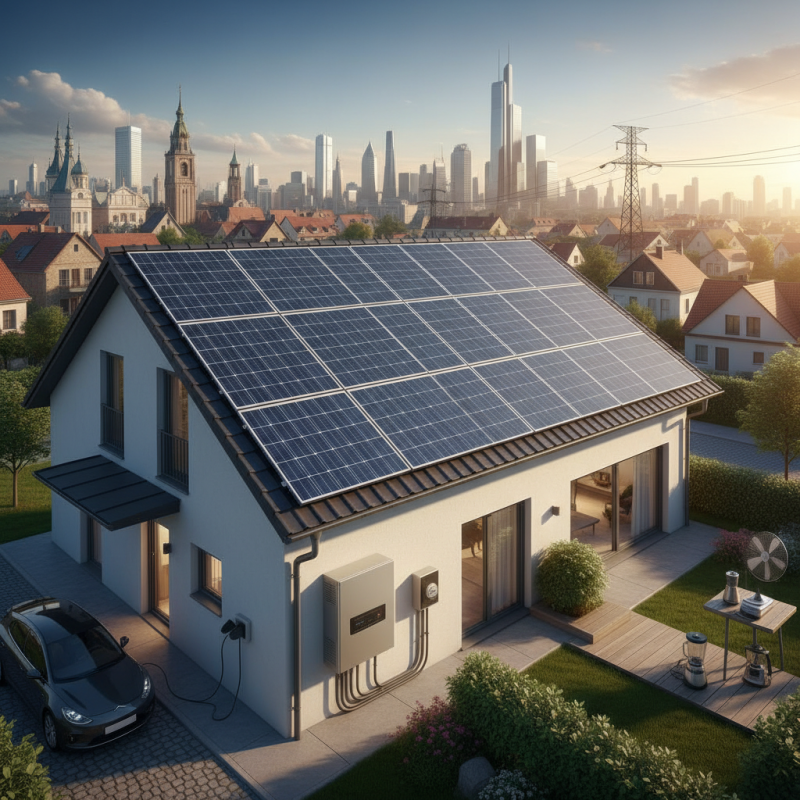
Best Uses of Solar Inverters in Residential Energy Systems
Solar inverters play a crucial role in residential energy systems. They convert direct current (DC) from solar panels into alternating current (AC) for home use. According to a report by the U.S. Department of Energy, effective inverter use can boost solar system efficiency by up to 30%. A well-matched inverter can enhance energy output, ensuring that homeowners maximize their solar installation.
Choosing the right inverter is essential for performance. For instance, string inverters work well for homes with uniform roof orientations. In contrast, microinverters can optimize energy production on roofs with shading issues. The National Renewable Energy Laboratory shows that homes with microinverters may see up to a 15% increase in energy yield under partial shading conditions. This data emphasizes the importance of understanding your home's unique solar potential.
Installation and maintenance also require careful consideration. An inefficient inverter can lead to significant energy losses. Homeowners should evaluate warranties and service options before making a decision. Regular monitoring can help identify problems early, reducing electricity costs. The journey toward energy independence is promising, yet challenges persist. Understanding inverter technologies and their applications can empower consumers in their energy choices.
Role of Solar Inverters in Commercial Solar Applications
Solar inverters play a crucial role in commercial solar applications. They convert direct current (DC) from solar panels into alternating current (AC) used by most electrical systems. This conversion is essential for businesses looking to utilize solar energy effectively. Without efficient inverters, the energy produced could be wasted or unusable.
The efficiency of solar inverters can significantly impact a company's energy savings. When inverters work optimally, they can enhance energy production, allowing businesses to lower utility costs. This is vital in a market where energy expenses directly affect profit margins. However, some businesses might overlook the importance of selecting the right inverter type, which can lead to energy losses.
Many companies face challenges when integrating solar inverter technology. These challenges can include installation issues, compatibility with existing systems, and maintenance needs. Investing time in understanding these aspects can prevent costly mistakes. Regularly assessing inverter performance is vital for long-term energy efficiency. Remember, the wrong choice can undermine the benefits of your solar investment.
Maximizing Efficiency: Solar Inverter Types and Their Best Uses
Solar inverters play a crucial role in harnessing solar energy effectively. They convert direct current (DC) generated by solar panels into alternating current (AC), making it usable for homes and businesses. Different types of solar inverters exist, each suited for specific applications. Understanding these types can maximize energy efficiency.
String inverters are common for residential systems. They connect multiple panels in a series. This setup is effective in sunny areas. However, shading on one panel can affect the entire system. For larger installations, central inverters may be preferable. They handle more power and are often cheaper but lack flexibility.
Microinverters are gaining popularity. They operate on a panel-by-panel basis. This advantage means that shading or failures impact only one panel, preserving overall system output. For those looking to minimize inefficiencies, consider optimizers. They enhance performance and can be paired with string inverters.
**Tips**: Focus on solar inverter placement. Location affects the efficiency of energy conversion. Evaluate potential shading from trees or buildings. Regular maintenance is also essential. Dirty panels can reduce output, leading to inefficiencies. Keep them clean for optimal performance.
Best Uses of Solar Inverters for Global Buyers
Integrating Solar Inverters with Smart Grid Technologies
Integrating solar inverters with smart grid technologies offers exciting possibilities for energy management. Smart grids rely on two-way communication. They optimize energy distribution and usage. This integration enables solar energy to be efficiently utilized, paving the way for enhanced energy reliability.
In smart grids, solar inverters act as crucial components. They convert direct current (DC) from solar panels to alternating current (AC), suitable for the grid. Advanced solar inverters can communicate in real-time, monitoring energy flows and adjusting as necessary. This integration helps balance supply and demand. It also enhances renewable energy integration, contributing to cleaner power sources.
Despite these advancements, challenges remain. Inconsistent solar generation can strain the grid. Communication issues between devices can lead to inefficiencies. Additionally, not all regions are equipped to handle smart grid technologies. Ongoing research and development are needed for widespread adoption. Stakeholders must address regulatory and technical obstacles. Building a more resilient energy future requires careful navigation of these complexities.
Best Uses of Solar Inverters for Global Buyers
| Use Case | Description | Benefits | Smart Grid Integration |
| Residential Solar Systems | Solar inverters convert sunlight into electricity for home use. | Lower electricity bills and reduced carbon footprint. | Can provide electricity back to the grid during excess production. |
| Commercial Solar Installations | Larger solar arrays for businesses to offset operational costs. | Tax incentives and improved sustainability image. | Enhanced load balancing in smart grids. |
| Utility-Scale Solar Farms | Large solar installations feeding energy directly into the grid. | Significant energy generation and environmental benefits. | Directly supports grid stability and energy distribution. |
| Off-Grid Solutions | Standalone systems for remote locations without grid access. | Energy independence and reliability. | Can be integrated with microgrid technologies. |
| BIPV (Building-Integrated Photovoltaics) | Solar panels incorporated into building materials. | Aesthetic benefits and energy generation. | Advanced integration with smart buildings and grids. |
Key Market Trends in Solar Inverter Adoption Worldwide
The global solar inverter market is witnessing significant growth. According to a recent report by the International Renewable Energy Agency, the solar inverter market is projected to reach $20 billion by 2025. This growth aligns with the increasing demand for renewable energy sources worldwide. Many countries are setting ambitious renewable energy targets, thereby boosting the adoption of solar technology.
Emerging markets are a key focus. Countries in Asia and Africa are ramping up solar installations. However, there are challenges. Infrastructure limitations and high initial costs can hinder progress. Reports suggest that overcoming these challenges is crucial for long-term sustainability. Moreover, the trend towards energy storage systems is notable. Coupled with solar inverters, these systems can enhance energy efficiency and reliability.
Technological advancements are reshaping the industry. For instance, smart inverters with advanced monitoring capabilities are becoming more popular. They offer better energy management and integrate seamlessly with smart home systems. However, there are still gaps in awareness and education among potential buyers. This can slow down adoption and limit the overall effectiveness of solar technologies in various regions. Global buyers need to stay informed about these trends to make effective investment decisions.


