Top 5 Tips for Choosing the Best AC EV Charger?
As the automotive industry shifts towards electrification, choosing the right AC EV Charger is crucial for both consumers and businesses. According to a report by Navigant Research, the global market for EV chargers is expected to reach $27 billion by 2027. This statistic highlights the importance of informed decisions in selecting the best charging solutions. Industry expert Dr. Emma Liu, a leading figure in electric vehicle technology, emphasizes, "A reliable AC EV Charger is essential for maximizing efficiency and user experience."
When considering an AC EV Charger, factors such as charging speed, compatibility, and installation costs become vital. Many users overlook the significance of these details, which can lead to dissatisfaction later. Reports indicate that chargers with higher output can reduce charging time significantly, but they're often pricier. Understanding the balance between cost and functionality is important for potential buyers.
Moreover, the growing installation of fast chargers raises questions about choosing an AC unit that aligns with personal needs. Without proper research, users may end up with a charger that does not fit their driving habits. Reflecting and evaluating all options can prevent unnecessary complications. Investing time in understanding the nuances of AC EV Chargers proves beneficial in the long run.
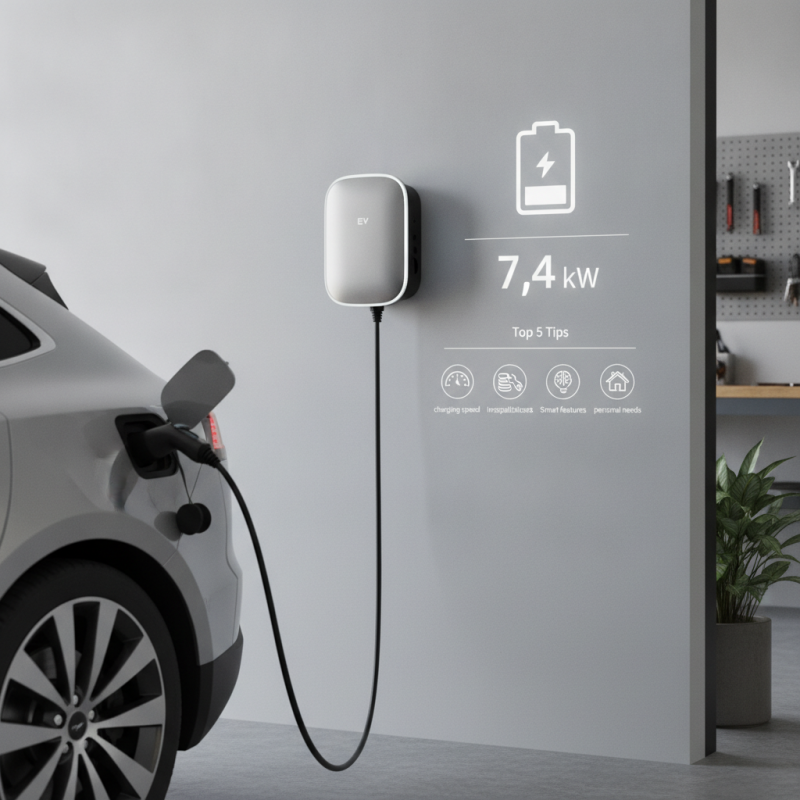
Understanding the Importance of Choosing the Right AC EV Charger
Choosing the right AC EV charger is crucial for maximizing your electric vehicle's potential. It’s not just about charging speed; it affects convenience and efficiency. The right charger can transform your daily routine. When you find a suitable charger, you’ll enjoy worry-free travels.
One important tip is to consider the charging speed. Different chargers offer various power output levels. A higher power output charger can significantly reduce your charging time. However, faster isn't always better. Some users might not need rapid charging if they can charge overnight. Assess your driving habits before making a decision.
Another tip involves looking at installation options. Not every charger fits every home. Check your electrical panel and available space for installation. Additionally, ensure compatibility with your EV model. Some features may enhance usability, but they might also complicate the setup. Balancing complexity and convenience is key. A perfect fit for one user may not suit another. Finding the right charger involves understanding your needs deeply. Don’t rush the process. Each choice impacts your EV experience.
Evaluating the Charging Speed and Power Output of EV Chargers
When selecting an AC EV charger, charging speed and power output are crucial. Different chargers deliver varying levels of energy, impacting your car's charging time significantly. For instance, chargers with a power output of 7.2 kW can fully charge most vehicles overnight. In contrast, those with 11 kW can reduce this time by nearly half. Understanding these differences helps in making informed decisions.
Consider your daily driving habits. If you frequently embark on long trips, a faster charger is essential. However, if you primarily use your vehicle for short, daily commutes, a standard charger might suffice. Keep in mind that faster isn't always better; high-power chargers can lead to increased wear on your EV's battery over time.
Installation location also matters. A charger installed in a garage or sheltered area may perform better than one exposed to extreme weather. Ensure your setup supports the power requirements of the charger. Researching local electrical codes can avoid potential issues. Evaluating these details helps ensure you choose a charger that aligns with both your needs and your vehicle's capabilities.
Compatibility with Your Electric Vehicle: What to Consider
When choosing an AC EV charger, compatibility with your electric vehicle is crucial. Different EVs have varied charging needs. Consider the charging port in your vehicle. Most EVs use a standard connector, but some models may have unique requirements. It’s essential to check which type of connector your vehicle supports. Researching this compatibility can save time and frustration later.
Voltage is another factor to consider. Most home chargers operate at 240 volts, which suits many EVs well. However, some electric vehicles may take longer to charge with lower voltage options. Think about how quickly you need your vehicle charged. If you're frequently on the road, a faster charger might be beneficial. Checking user reviews and information from reliable sources can deepen your understanding of these details.
Do not overlook the importance of software compatibility. Some chargers offer smart features, such as scheduling and real-time monitoring. Make sure that the charger you are considering works with your vehicle’s software system. Sometimes, disconnects can occur, leading to charging delays. Research user experiences to find a reliable solution that matches your needs. Being informed about these factors can lead to a better charging experience overall.
Assessing Installation Requirements and Location Options
When choosing the best AC EV charger, assessing installation requirements and location options is crucial. According to recent industry reports, over 70% of EV charger installations encounter site-specific challenges. These range from electrical capacity limitations to spatial constraints. Understanding your home’s electrical infrastructure is vital. Your home may need an upgraded panel to accommodate a new charger, especially if multiple devices run simultaneously.
Consider the location of the charger carefully. Proximity to your electric vehicle is essential. A study indicated that 60% of EV owners prefer chargers within 25 feet of their parking space. Additionally, accessibility matters. Chargers should be easily reachable, preventing time-consuming and frustrating experiences. Public charging stations, meanwhile, often face logistical hurdles, such as ADA compliance and local zoning laws.
Avoid making hasty decisions by visualizing the installation site. Some homeowners rush and overlook areas with shadowing from trees or structures. These factors can reduce charger efficiency. Knowing how weather impacts performance is necessary. For example, extreme temperatures can influence charging time and costs. Make informed decisions by evaluating your location and installation needs thoroughly; this can impact the total cost and efficiency of your charging solution.
Top 5 Tips for Choosing the Best AC EV Charger
| Tip | Description | Installation Requirements | Location Options |
| 1. Check Compatibility | Ensure the charger is compatible with your vehicle's charging port. | Verify electrical system capacity and outlet specifications. | Home garage or designated parking areas. |
| 2. Assess Charging Speed | Consider charging speed, measured in kW, to reduce charging time. | Ensure sufficient amperage supply for higher power chargers. | Main parking spots or locations near frequent stops. |
| 3. Evaluate Safety Features | Look for chargers with safety certifications and features. | Installation must comply with local electrical safety codes. | Consider public charging stations with safety checks. |
| 4. Look for Smart Features | Choose smart chargers that allow remote monitoring and control. | Check Wi-Fi availability for smart features to work. | Indoor areas for optimal connectivity with smart devices. |
| 5. Consider Future Needs | Anticipate future EV purchases and choose a scalable charger. | Select equipment that can adapt to upgraded electrical service. | Ensure availability of multiple installation sites if needed. |
Exploring Features and Technologies of Modern AC EV Chargers
Modern AC EV chargers come with a variety of features that can significantly enhance the charging experience. User-friendly interfaces are common. Many chargers now include Wi-Fi connectivity for remote monitoring. This can provide drivers with real-time updates on charging status. According to the International Energy Agency, the number of electric vehicles on the road is expected to reach 145 million by 2030. Such growth directly increases the demand for efficient charging solutions.
Technologies like smart charging are becoming essential. These systems can adapt charging rates based on electricity costs or grid demands. Research shows that smart chargers can reduce overall charging costs by up to 30%. The integration of renewable energy sources, such as solar power, is also on the rise. This means EV owners can charge their vehicles while reducing their carbon footprint and saving money.
However, not every charger on the market offers the latest advancements. Some models might lack important features like compatibility with various EVs. Not every driver is aware of the differences across models. Choosing the right charger can be overwhelming. It's essential to research and compare the available technologies. Drivers should consider their specific needs before making a purchase.


