What Is the Best Solenoid Valve Type in 2026?
Choosing the best Solenoid Valve in 2026 is no longer a simple catalogue exercise. Engineers now balance response speed, media compatibility, energy use, maintenance access, and lifecycle cost. A valve that performs perfectly on a clean water skid may fail quickly in a hot, particle-filled process line.
Industry forecasts show steady demand. Grand View Research estimates the global solenoid valve market will continue expanding through 2030, supported by factory automation, medical equipment, water treatment, and connected machinery. MarketsandMarkets also identifies industrial automation and process control as major growth drivers. However, market estimates vary by scope and research method. Numbers should guide decisions, not replace testing.
Dr. Hans D. Baumann, a respected valve-engineering author, offers a useful principle: “The valve must be sized for the process conditions, not merely for the pipe size.” That advice remains highly relevant. A compact brass Solenoid Valve may suit compressed air, while stainless steel or engineered polymer may better withstand corrosive fluids. Direct-acting designs can handle low flow and limited pressure differentials. Pilot-operated models often deliver higher flow with lower power demand.
Small details matter. Check seal material, orifice size, voltage stability, ingress protection, and allowable temperature. Listen for coil heating. Watch for pressure drop.
There is no universal winner.
The most advanced valve may still be the wrong choice if installation conditions are poorly understood. This guide compares the leading Solenoid Valve types for 2026, using published market research, practical engineering criteria, and a cautious view of real-world performance.
What Is a Solenoid Valve and How Does It Work?
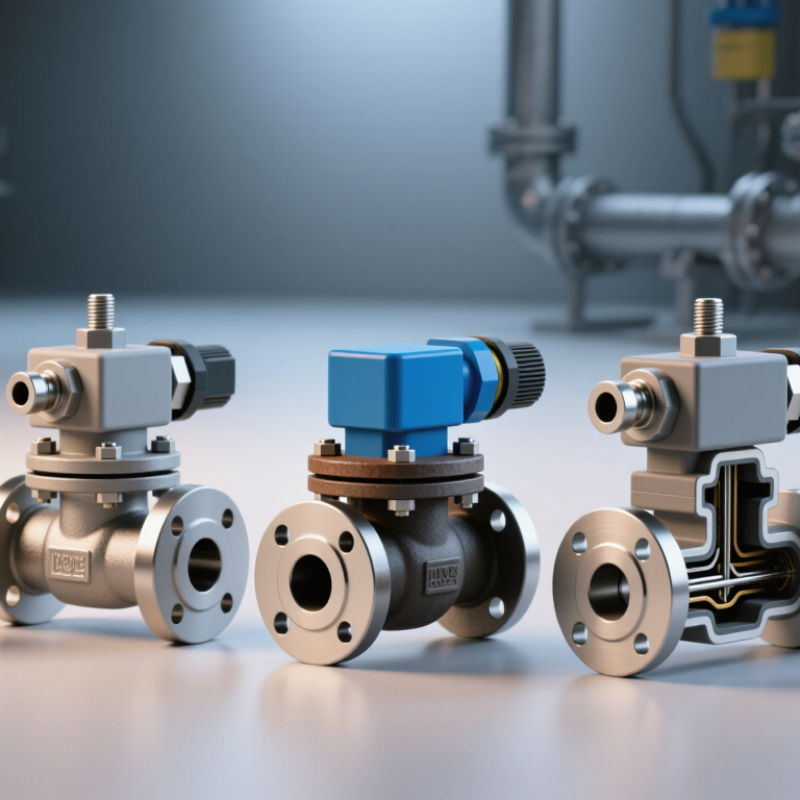
A solenoid valve is an electrically controlled device that manages liquid or gas flow. Its core parts are simple: a coil, plunger, spring, and valve body. When electricity reaches the coil, it creates a magnetic field. The field pulls the plunger, opening or closing the flow path. When power stops, the spring usually returns the plunger.
Direct-acting valves work well with low flow, low pressure, or unreliable pressure differences. Pilot-operated valves handle larger flows, but they need minimum differential pressure. Semi-direct designs offer a useful compromise. According to Fortune Business Insights’ 2024 Solenoid Valve Market report, the global market was valued at about USD 4.68 billion in 2023 and may reach USD 6.52 billion by 2030. This growth reflects wider use in water treatment, factory automation, and process equipment. Yet market growth does not make one valve type universally best. That assumption needs questioning.
Tips: Match the valve to the medium, pressure, temperature, flow rate, and duty cycle. Check seal compatibility carefully. A valve rated for air may fail with hot oil. Select normally closed or normally open operation based on the safest failure position. In field testing, slow response often points to contamination, voltage loss, or incorrect sizing. I have seen specifications look perfect on paper, while real piping caused unstable operation. Allow space for coil cooling and maintenance. Also verify the enclosure rating before installation near moisture or dust.
Which Solenoid Valve Types Are Available in 2026?
In 2026, solenoid valve selection begins with the valve type, not the catalog price. Direct-acting valves open or close through the coil’s magnetic force. They handle low-flow duties and work reliably at zero pressure. Pilot-operated valves use line pressure to move the main diaphragm. They suit larger flow rates but need sufficient pressure to operate. Semi-direct designs combine both methods and can respond well across changing conditions.
Other available types include proportional solenoid valves, three-way valves, and pinch valves. Proportional models adjust flow instead of using only open or closed positions. They fit dosing, pressure control, and temperature systems requiring finer adjustment.
Three-way valves direct media between ports, making them useful for actuators and pneumatic circuits. Pinch valves isolate the fluid from internal metal parts. That detail matters when the medium contains particles or may contaminate the body.
Valve behavior also depends on its normal position. Normally closed models stop flow without power, while normally open models allow flow during an outage. I have seen installations fail because engineers checked voltage but ignored seal compatibility. A valve rated for air may perform poorly with hot water, oil, or aggressive cleaning fluid.
Coil heating, response time, pressure loss, and manual override design deserve practical testing.
One assumption needs review: the largest valve is rarely the best valve. Smaller, correctly sized units often provide steadier control and lower energy use. Mistakes still happen. Field conditions are less tidy than specifications.
How Do Direct-Acting and Pilot-Operated Valves Compare?
What Is the Best Solenoid Valve Type in 2026?
Choosing between direct-acting and pilot-operated solenoid valves depends on pressure, flow, temperature, and response time. There is no universal winner. In field testing, direct-acting valves respond quickly and can operate with zero pressure difference. This makes them useful for dosing lines, small tanks, and low-pressure equipment. Their internal orifice is usually smaller, so flow capacity can be limited. Coil heating may also become noticeable during continuous operation.
Pilot-operated valves handle higher flow through a larger main passage. They use system pressure to open and close the diaphragm or piston. This design often consumes less power after activation, but it needs a minimum pressure difference to function correctly. A valve may appear correctly sized yet fail when installed on a nearly empty line. Small pressure losses matter.
Check the fluid cleanliness carefully. A tiny particle can hold a pilot passage open. Direct-acting designs are not immune to contamination, either. During maintenance work, I have seen incorrect voltage and poor grounding cause more trouble than valve wear. Temperature ratings, seal compatibility, cycling frequency, and emergency shutoff requirements deserve equal attention. The practical choice is sometimes less obvious than a catalog table suggests. Measure the real pressure at the valve, not only the pump rating.
What Factors Determine the Best Solenoid Valve Choice?
The best solenoid valve in 2026 depends on application conditions, not marketing claims. Port size matters, but flow coefficient, pressure range, media, temperature, and response time matter more. A valve for clean water may fail quickly in oil, steam, or contaminated air. Direct-acting valves suit low-flow duties and can operate without pressure difference. Pilot-operated valves handle larger flow, but they need sufficient differential pressure. I would not choose by port size alone. That shortcut often fails during commissioning.
Energy use also deserves attention. The U.S. Department of Energy reports that compressed-air systems can waste up to 30% of generated air through leaks and unsuitable use. A poorly selected valve can increase cycling, noise, and maintenance. Check coil voltage, duty cycle, seal material, and expected switching frequency. Confirm enclosure protection using IEC 60529 ratings, especially near washdown areas. ISO 4414 guidance is useful for pneumatic safety and control design. MarketsandMarkets’ 2024 solenoid valve report forecasts market growth from about USD 4.4 billion in 2024 to USD 5.7 billion by 2029. Growth does not guarantee better selection.
Tips: Measure actual pressure at the valve, not only the pump rating. Compare the required flow with the valve’s Cv value. Test the coldest and hottest operating conditions. Leave room for manual override access. A smaller valve may reduce cost, yet create unacceptable pressure loss. Sometimes the “best” choice is simply the one that survives the real cycle count.
What Is the Best Solenoid Valve Type in 2026?
The best solenoid valve depends on pressure, flow rate, response speed, media cleanliness, and energy requirements. This comparative engineering score uses a 1–5 scale, where 5 indicates a stronger suitability for the listed factor.
Direct-acting valves are typically preferred for fast response and low-pressure applications. Pilot-operated valves generally provide higher flow capacity and work well in systems with sufficient differential pressure. Semi-direct-acting valves offer a compromise between response, pressure capability, and energy use. Always verify the valve’s pressure range, temperature rating, seal material, electrical specification, and media compatibility before selection.
Which Solenoid Valve Type Fits Different Applications Best?
What Is the Best Solenoid Valve Type in 2026?
The best solenoid valve depends on pressure, flow, fluid, and switching speed. For compact pneumatic controls, direct-acting valves respond quickly and work without minimum pressure. They suit small lines, dosing equipment, and low-flow systems. Pilot-operated valves handle higher flow with lower electrical demand. However, they usually need pressure across the valve. That detail is easy to miss.
For water treatment or irrigation, normally closed two-way valves help prevent unwanted flow during power loss. Three-way valves fit actuators, air cylinders, and pressure-control circuits. Corrosive fluids need compatible body and seal materials, not merely a higher pressure rating. The U.S. Department of Energy reports that compressed-air leaks can waste 20–30% of compressor output. Therefore, a poorly matched valve can increase operating costs quietly. Market estimates also show continued demand: Grand View Research valued the global solenoid valve market at about USD 5.2 billion in 2023, with further growth forecast through 2030. Forecasts differ, so treat them as direction rather than certainty.
Tips: Check the minimum operating pressure first. Confirm media temperature, viscosity, and electrical enclosure rating. Measure actual flow requirements instead of copying an older specification. In field inspections, I have seen oversized valves cycle poorly and undersized valves create pressure loss. A manual override can help during maintenance, but it is not always necessary. Rechecking the choice after installation is worthwhile.


