Discover the Best Security Screws for Your Global Sourcing Needs?
In today's world, securing assets has never been more critical. Businesses face numerous threats, and choosing the right tools for protection is vital. Security Screws emerge as an essential component in this landscape. These specialized screws help safeguard your property from tampering and theft.
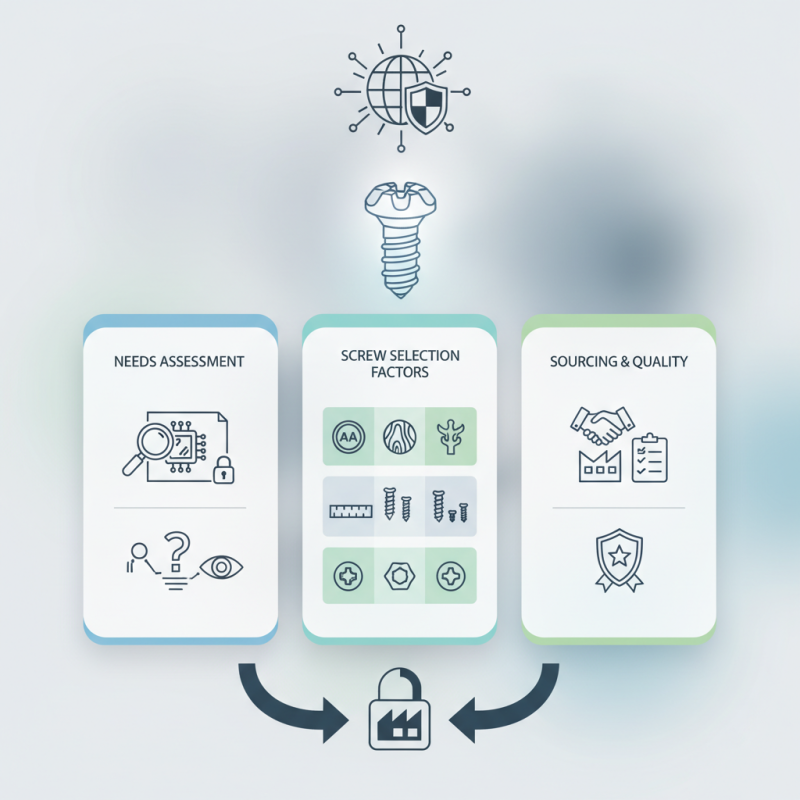
Selecting security screws may seem straightforward, yet various factors require careful consideration. Different projects demand specific types of screws. Material choices, size, and drive style all impact effectiveness. It can be overwhelming, especially when sourcing them globally. Many options exist, but not all meet quality standards. Finding the right supplier is crucial for reliability.
Knowing your project’s needs is the first step. Being aware of potential vulnerabilities gives insight into choosing the best security screws. Conduct research, and try to learn from experiences shared by others in the field. The more information you gather, the better equipped you will be to ensure your security measures are up to par. Ultimately, addressing these considerations will pave the way for safer outcomes.
Understanding Security Screws: Types and Applications
Security screws play a crucial role in various applications. They provide a reliable way to secure valuable assets. Understanding the different types can help in choosing the right screw for your needs. Common types include tamper-proof, anti-theft, and security Torx screws. Each type has unique features designed to deter unauthorized access.
Tamper-proof screws, for instance, contain a pin in the center that requires a special tool for removal. This makes them ideal for securing outdoor equipment or public facilities. Anti-theft screws often feature a unique head design that is difficult to replicate. These are commonly used in electronics and signage, where protection is paramount.
In many cases, selecting the right screw means assessing the environment. Will it face weather conditions or human interaction? Understanding the specific application can lead to better security outcomes. Reflecting on the materials used is equally important. Stainless steel screws offer durability, but may not suit all environments. It’s essential to balance strength with other factors like corrosion resistance and installation ease.
Discover the Best Security Screws for Your Global Sourcing Needs
| Type of Security Screw | Material | Head Style | Common Applications | Advantages |
| Tamper-Resistant Screw | Stainless Steel | Hex Socket | Electronics, Appliances | Prevents unauthorized access |
| Security Torx Screw | Carbon Steel | Star | Automotive, Construction | High torque resistance |
| One-Way Screw | Brass | Slotted | Public Installations | Cannot be removed once installed |
| Pin-In-Core Screw | Zinc Plated Steel | Specialized | Security Panels, Equipment | Provides high durability |
Key Features to Look for in Security Screws
When considering security screws for global sourcing, it's essential to focus on key features that enhance safety and function. A crucial factor is the drive type. Unique drive patterns prevent unauthorized access. Options like pin-in-Torx or spanner heads require specialized tools for installation. This simple detail adds a vital layer of security.
Material quality is another significant aspect. Stainless steel offers strength and resistance to corrosion. This durability is important for outdoor applications. Additionally, screws with anti-tamper coatings provide extra protection against wear and tear. However, not all coatings are created equal. Researching the coating type ensures long-term effectiveness.
Size and length also impact performance. The right dimensions improve fastening strength. But, users must consider compatibility with materials. A screw too short or too long can compromise its function. Evaluating these factors carefully is crucial. Always remember that even slight variations in specifications can lead to installation issues. This reflection helps in making informed choices.
Evaluating Materials for Durability and Strength
When sourcing security screws, material selection plays a critical role in their performance. The right materials enhance durability and strength, meeting specific application demands. For instance, stainless steel is prevalent due to its corrosion resistance, making it ideal for outdoor use. Research shows that corrosion can reduce the lifespan of screws significantly, potentially leading to structural failures. According to industry reports, screws made from high-grade materials can last up to ten times longer under harsh conditions.
However, not all stainless steel is created equal. The choice between grades, such as 304 and 316, matters. Grade 316 offers superior resistance to saltwater and acidic environments, making it preferable for marine applications. On the other hand, 304 is generally easier to manipulate and less expensive. This trade-off poses a dilemma for engineers and procurement professionals, leading to a constant evaluation of needs versus costs.
In some cases, screws made from alternative materials, like nylon or brass, are viable. They might offer unique benefits, such as weight reduction or electrical insulation. Yet, integrating these materials requires careful consideration of their mechanical properties. Overlooking these factors can result in failures, leading to costly repairs. Reliable sourcing demands a thorough understanding of each material's limitations and strengths to optimize performance in diverse environments.
Global Sourcing Strategies for Security Screws
When exploring global sourcing strategies for security screws, it’s essential to consider various factors. The demand for security screws has risen significantly, with the market projected to grow by 5.2% annually until 2028, according to industry reports. This growth indicates that companies must adapt their sourcing strategies to ensure quality and security.
Choosing materials wisely is crucial. Stainless steel remains a top choice due to its strength and corrosion resistance. Some industries prioritize specialized coatings, such as epoxy, to enhance durability. However, not all coatings are equal; some might wear off over time. Always verify the coating quality with suppliers.
Tips: Assess your project’s specific requirements. Understand your local regulations regarding materials. Engage with multiple suppliers to compare options and quality.
Before finalizing any sourcing decision, it's important to reflect on potential risks. Quality control can vary by region. Establish clear communication channels with manufacturers. This ensures you address issues promptly and maintain standards that align with your needs. Quality assurance processes can prevent costly mistakes in the supply chain.
Top Suppliers and Manufacturers in the Security Screw Market
When sourcing security screws, it's essential to choose reliable suppliers and manufacturers. A strong partnership can ensure the integrity and performance of your products. Look for companies with extensive experience in the security screw market. Their knowledge will guide you in selecting the right solutions for your specific needs.
Tip: Assess a supplier's certifications and quality standards. This helps ensure their products meet industry regulations. Reliable manufacturers will often provide transparent information about their sourcing and production processes. Don't hesitate to ask about their testing practices for durability and security.
It’s also crucial to evaluate the range of products offered. A diverse selection allows for tailored solutions. Consider suppliers who can provide various materials, sizes, and designs. This flexibility can be important as your projects evolve. Be cautious, though, as finding the perfect supplier can take time. Rushing the decision may lead to suboptimal choices. Take the necessary steps to research and reflect on your options.
Top 5 Global Security Screws Manufacturers by Market Share


