Top 10 Benefits of Using Valve DC Gear Motors for Automation?
In today's fast-paced industrial landscape, the demand for efficiency and precision is at an all-time high. Valve DC Gear Motors have emerged as crucial components in automation systems, providing unmatched benefits. According to a recent market analysis by Fortune Business Insights, the global DC motor market is projected to reach $30 billion by 2025. This growth highlights the increasing reliance on advanced motor technologies, such as Valve DC Gear Motors.
Valve DC Gear Motors integrate a direct current motor with a gearbox. This combination maximizes torque while maintaining compact design. Industries have reported a 20% increase in operational efficiency when implementing these motors. Yet, some organizations still hesitate, lacking awareness of their full capabilities. While these motors enhance performance, they also require proper installation and maintenance. Proper training can mitigate risks associated with mismanagement.
Furthermore, sustainability trends indicate that efficient motor systems contribute to lower energy consumption. The potential energy savings can achieve up to 40% reduction in operational costs. Companies embracing Valve DC Gear Motors must continually assess their integration strategies. Balancing performance and sustainability is vital in a rapidly evolving market. Making informed decisions will empower industries to optimize their automation processes effectively.
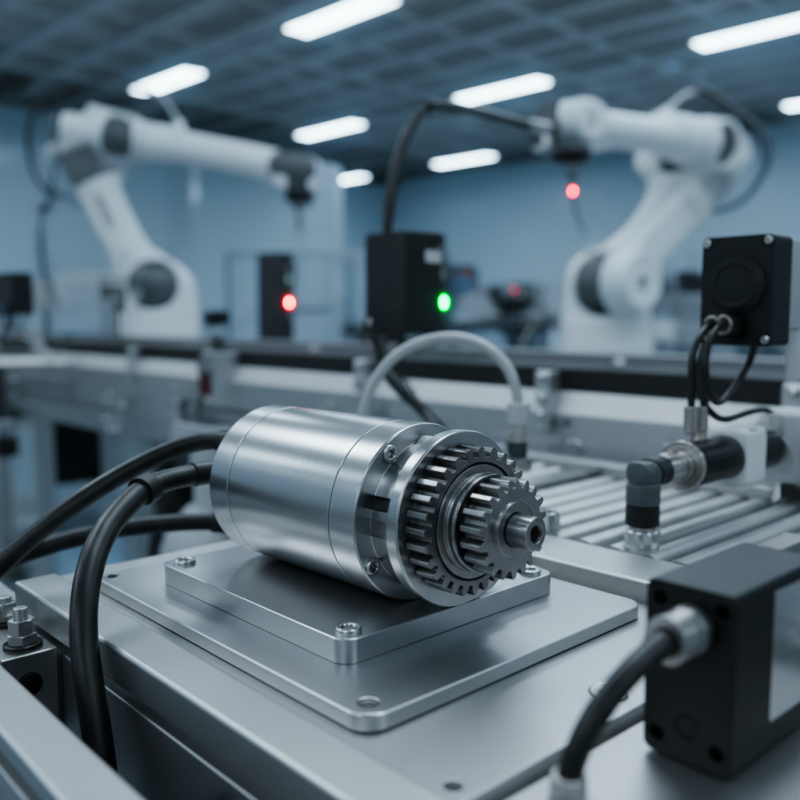
Key Features of Valve DC Gear Motors in Automation
Valve DC gear motors are becoming essential in automation. Their compact design and high efficiency offer notable advantages. These motors combine a DC motor and a gear assembly, enhancing torque and reducing speed. According to recent industry reports, gear motors can improve torque by 5-10 times compared to standard motors. This makes them perfect for various applications, from robotics to conveyor systems.
Key features of valve DC gear motors include precise speed control and low power consumption. They allow for smooth operation, which minimizes wear and tear on machinery. An analysis found that these motors, when used in automated processes, can reduce energy costs by around 20%. However, their complexity can lead to challenges in maintenance. Users must often balance performance with longevity.
Noise reduction is another vital aspect. Many operators appreciate the quieter operation, especially in environments that require minimal sound. However, users sometimes report inconsistent noise levels, which can be frustrating. This inconsistency can stem from various factors, such as load conditions or age of the motor. Understanding these features is crucial when integrating valve DC gear motors into automation solutions.
Advantages of Valve DC Gear Motors Over Other Motor Types
Valve DC gear motors stand out in automation for several reasons. Their compact size makes them ideal for limited spaces. They can deliver high torque while still maintaining efficiency. This means they can power heavy loads without requiring excessive energy. Compared to other motors, valve DC gear motors have a superior speed control mechanism. This offers a level of precision that some alternatives struggle to match.
Another advantage is their quiet operation. They run smoothly, producing minimal noise. This feature is vital in environments where sound can be disruptive. The integration of gear systems adds an extra layer of robustness. However, this also means they can be more complex. The installation process might take longer, and maintenance can be tricky. Users need to be willing to invest the time to understand their inner workings for optimal performance. This complexity can deter some, yet the rewards can be substantial.
Applications of Valve DC Gear Motors in Industrial Automation
Valve DC gear motors are essential in various industrial automation applications. They facilitate precise control in processes such as conveyor systems, packaging, and robotics. These motors convert electrical energy into mechanical power, enabling smooth operations. Their compact design and high torque output make them suitable for tight spaces.
In pumping systems, Valve DC gear motors ensure accurate flow regulation. This precision is vital for industries like food and beverage. Minor fluctuations in flow can lead to quality issues. Thus, selecting the right motor is crucial. For applications requiring continuous operation, durability is key. Look for models that can withstand demanding conditions.
Tips: Consider the voltage rating of the gear motor. This impacts efficiency and performance. Also, explore modular options for easier maintenance and upgrades. It's wise to review real-world case studies. Learning from others helps in avoiding potential pitfalls. Always test in controlled environments before full-scale implementation. Small mistakes can lead to significant operational delays.
Energy Efficiency and Cost Savings with Valve DC Gear Motors
When considering automation systems, energy efficiency is crucial. Valve DC gear motors offer significant advantages in this area. They consume less power compared to other types of motors, leading to considerable savings over time. This is especially important for companies looking to reduce operational costs.
Using these motors, you may notice a decline in electricity bills. This reduction can free up funds for other projects. Many facilities report faster returns on investment after switching to valve DC gear motors. This change can be simple yet effective for enhancing overall efficiency.
**Tip:** Regular maintenance can boost motor lifespan. Check for wear and tear periodically.
Another notable aspect is their performance under varying loads. Valve DC gear motors adapt well, maintaining efficiency across different tasks. This adaptability can sometimes lead to energy waste if improperly matched to applications. It’s essential to conduct thorough assessments before implementation.
**Tip:** Always evaluate operational demands first. Misalignments can negate cost-saving benefits.
Overall, the shift to valve DC gear motors offers compelling energy savings. However, careful planning and regular evaluations are vital for maximizing their potential.
Ease of Integration and Installation of Valve DC Gear Motors
Valve DC gear motors are increasingly popular in automation systems. Their ease of integration and installation is a major reason for this trend. These motors are designed to fit within tight spaces. They can be mounted on various surfaces without extensive modifications. This flexibility reduces installation time considerably.
When working with these motors, it is important to ensure proper alignment. Misalignment can lead to increased wear and tear. Regular checks can help maintain efficiency. Also, use secure connections for power and data. Loose connections can cause intermittent failures.
Tips: Always refer to the installation manual for specific guidance. This prevents common mistakes during setup. Consider using mounting brackets for extra stability. Check compatibility with existing systems before installation. Small details matter. A thorough review can save time and resources later on.


