What are the Benefits of Rack Mount Computers for Business?
In today's fast-paced business environment, efficiency and reliability are paramount. Rack mount computers are becoming increasingly popular among organizations. These systems are designed to be space-saving and highly efficient. They can maximize the use of limited office or data center space.
Businesses benefit from rack mount computers in various ways. They enhance performance by allowing easy scalability. When companies grow, they can expand their systems quickly and with minimal disruption. Additionally, rack mount computers often offer better cooling solutions. This can lead to longer hardware life and lower energy costs.
However, there are challenges to consider. The initial setup may require IT expertise. Not all businesses have the resources for installation. Additionally, maintenance can be complex. These pitfalls need careful evaluation. In the end, the decision to use rack mount computers should align with the organization's specific needs and capabilities.
Benefits of Rack Mount Computers for Space Efficiency in Businesses
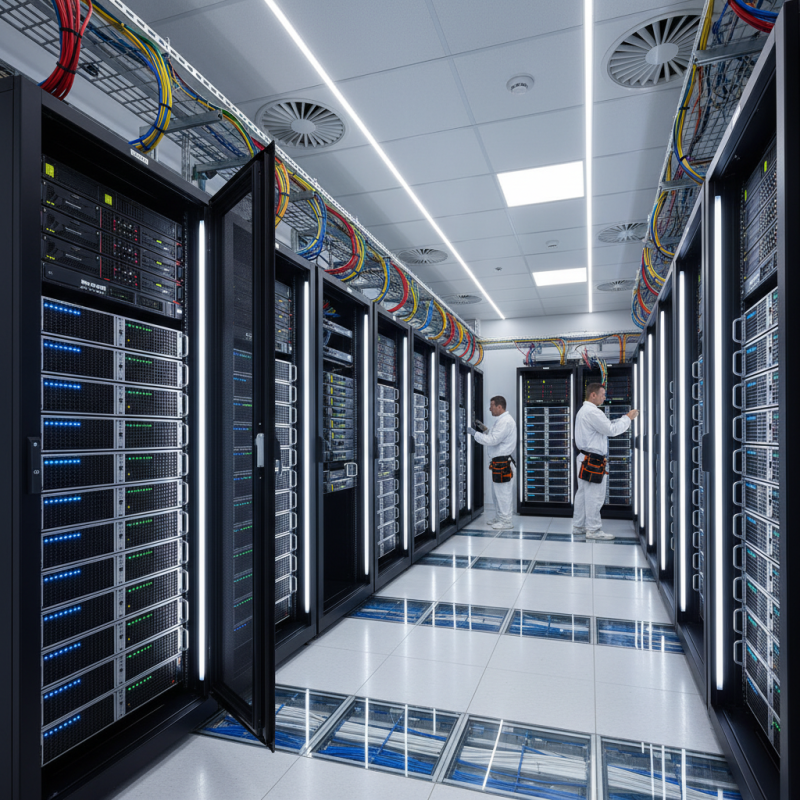
Rack mount computers offer significant advantages when it comes to space efficiency in business environments. In today's data-driven world, organizations strive for optimal use of their physical space. According to a report from market research, using rack mount solutions can save up to 50% more space compared to traditional tower setups. This increase in efficiency allows firms to focus on scaling operations rather than managing clutter.
A typical rack mount server occupies only 1U, roughly 1.75 inches high. This compact design can house multiple servers in a single rack. For businesses with limited real estate, this can be a game changer. Space optimization can lead to lower leasing costs and give companies room for future expansion. However, it’s essential to recognize that this approach demands precise planning and cabling management.
While the benefits are clear, businesses must also address potential downsides. Improved density could lead to overheating issues if not managed properly. Additionally, the initial setup might involve a steep learning curve for staff unfamiliar with rack systems. Balancing efficiency with proper maintenance is crucial.
Benefits of Rack Mount Computers for Space Efficiency in Businesses
This chart illustrates the various benefits of rack mount computers specifically focusing on space efficiency in business settings. The data represents the percentage efficiency gain associated with each benefit.
Enhanced Cooling Solutions Offered by Rack Mount Computers
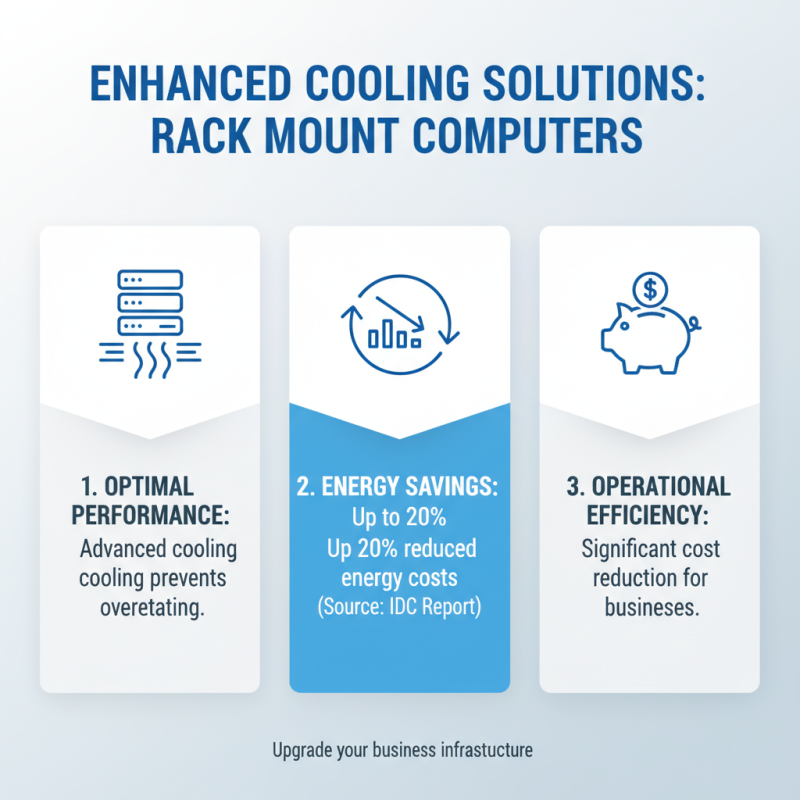
Rack mount computers are becoming increasingly popular in business environments. Their design allows for enhanced cooling solutions, which are crucial for maintaining optimal performance. According to a report from the International Data Corporation (IDC), improved cooling efficiency can lead to a 20% reduction in energy costs. This savings is significant for businesses aiming to cut operational expenses.
Modern rack mount systems utilize innovative cooling technologies, such as hot aisle/cold aisle containment. This method effectively directs airflow, preventing overheating. In fact, a study by the Uptime Institute found that more than 30% of data center downtime is due to cooling failures. Investing in robust cooling solutions can minimize this risk and enhance system reliability.
However, managing the cooling system requires continuous monitoring. Some businesses face challenges in maintaining optimal temperatures. Regular maintenance and timely upgrades are needed to avoid hardware damage. Businesses must weigh the benefits against potential drawbacks, ensuring that their cooling solutions align with operational needs and resource availability.
Improved Scalability and Upgradability of Rack Mount Systems
Rack mount computers offer significant advantages for businesses, particularly in terms of scalability and upgradability. These systems are designed to fit into standard server racks, optimizing space in server rooms or data centers. Businesses can easily scale operations by adding more units without significant structural changes. This modular approach is especially beneficial as companies grow and technology evolves.
Upgradability is another key benefit. Many rack mount systems allow for the easy replacement of components such as CPUs, memory, and storage drives. This flexibility means businesses can adopt new technologies without a complete system overhaul. Upgrading components can often be done in a few hours, minimizing downtime. However, it's crucial to consider compatibility and power requirements when upgrading components. Some users may overlook this aspect, leading to potential performance issues.
While rack mount systems provide these advantages, not every business may need them. Smaller organizations with limited IT demands might find them too complex. Reflection on needs is essential. Ensuring the infrastructure aligns with company goals can prevent wasted resources. Every decision impacts long-term efficiency.
Cost-Effectiveness of Rack Mount Computers for Business Operations
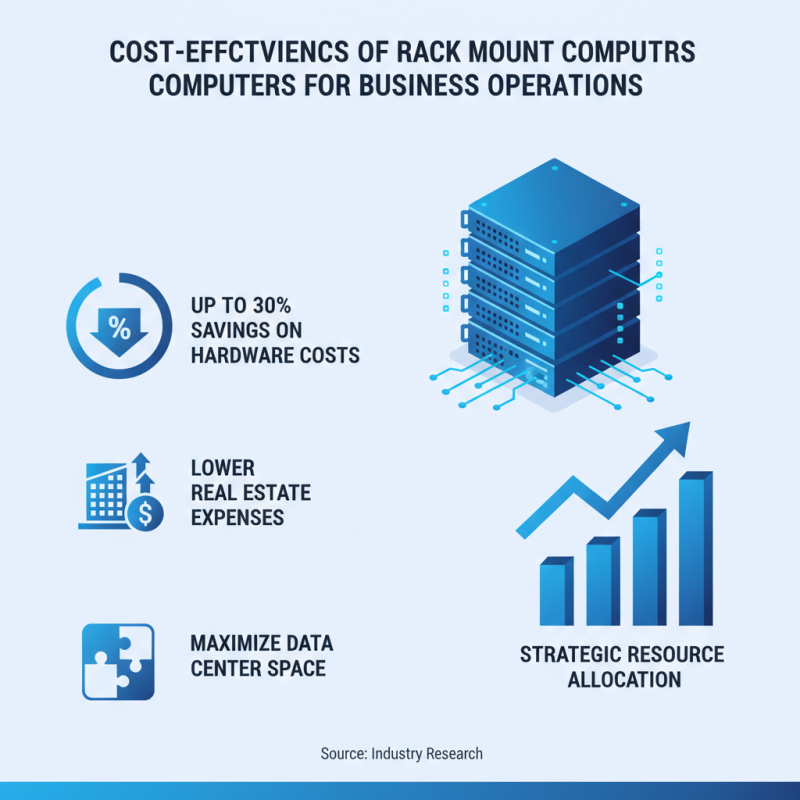
Rack mount computers offer significant cost-effectiveness for business operations. Research suggests that businesses can save up to 30% on hardware costs by opting for these space-efficient solutions. The ability to maximize data center space translates directly into lower real estate expenses. As real estate costs continue to rise, companies must be strategic in resource allocation.
In addition, rack mount systems often consume less power than traditional setups. A report by the U.S. Department of Energy highlights that energy-efficient IT equipment can lower energy bills by around 20%. This reduction not only benefits the bottom line but also aligns with environmentally responsible practices. However, organizations must ensure proper cooling and ventilation despite reduced power consumption.
While the initial investment in rack mount computers can be higher, the long-term savings can outweigh these costs. Companies should analyze their specific needs carefully. Some businesses may require more sophisticated setups, leading to potential overspending. Striking a balance between initial costs and long-term benefits is crucial.
Simplified Maintenance and Management of Rack Mounted Equipment
Rack mount computers offer significant advantages for businesses, particularly in streamlining maintenance and management. In a data report by IDC, 63% of IT professionals cited reduced maintenance time as a key benefit of using rack-mounted solutions. This efficiency stems from their standardized design, which simplifies the troubleshooting process. With equipment organized in a single rack, technicians can easily locate components to service or replace.
The compact nature of rack mount systems also enhances overall data center organization. A study by Gartner noted that businesses save up to 30% in floor space with rack-mounted setups. This space advantage allows for better airflow and cooling, critical factors in maintaining performance. However, the density of these systems can lead to challenges. Overheating and equipment failure remain concerns without proper ventilation.
Moreover, a well-maintained rack environment can boost uptime. According to a report from Forrester, companies that streamline their hardware setup report a 25% increase in operational efficiency. But, this requires regular monitoring and updates. Businesses must remain vigilant in scheduling maintenance, ensuring their systems operate optimally. The potential for oversight is real but manageable with disciplined practices in place.