What is an Automatic Parking Lift and How Does It Work?
The concept of the Automatic Parking Lift has gained traction in modern urban planning. These intelligent systems help maximize space in congested areas. According to Emma Johnston, a leading expert in parking solutions, “An Automatic Parking Lift transforms the way we manage urban parking challenges.” This statement reflects the emerging importance of efficient parking technology.
Automatic Parking Lifts operate by vertically stacking vehicles, allowing for more cars in less space. They offer a solution to the ever-growing need for parking in metropolitan areas. The mechanics behind these systems might seem complex, but the user experience is designed to be straightforward. Users simply drive in, park, and let the lift do the rest.
However, as beneficial as these systems are, they are not without drawbacks. Maintenance can be costly and require skilled professionals. Additionally, training users to understand the system can be a challenge, especially for those unfamiliar with technology. The Automatic Parking Lift is an innovative solution, yet it invites discussions around usability and maintenance challenges.
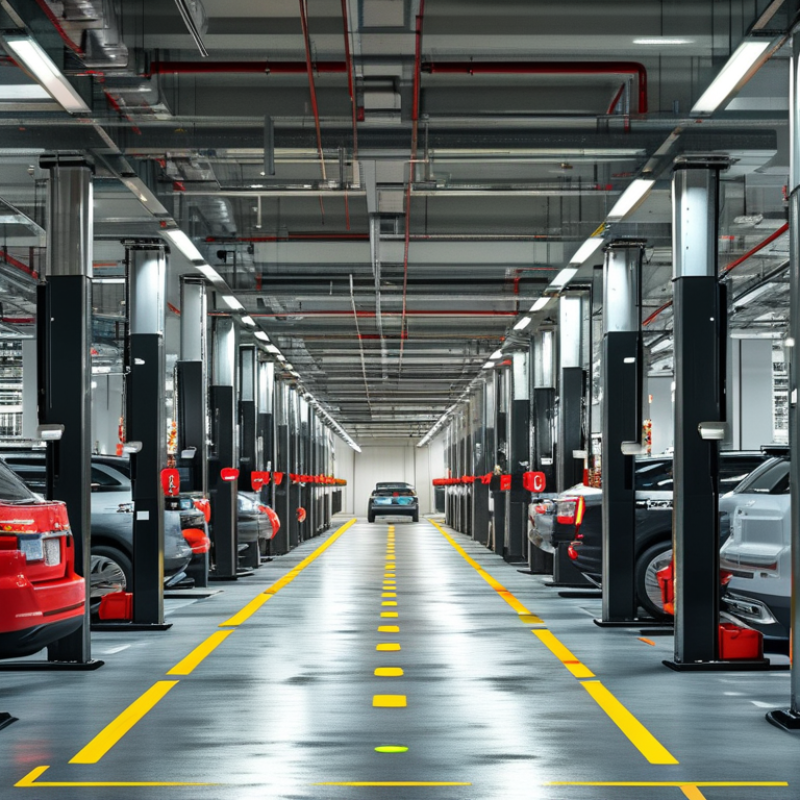
Understanding the Concept of Automatic Parking Lifts
Automatic parking lifts represent a modern solution to urban parking challenges. Understanding how they operate can enhance their appeal. These systems allow multiple vehicles to be parked in a vertical space. According to a 2022 industry report, cities can save up to 60% of land traditionally used for parking by implementing automatic lifts.
The mechanics behind automatic parking lifts are relatively straightforward. Vehicles are driven onto a platform which moves them vertically or horizontally to available parking spaces. This process can take as little as 2 minutes, reducing congestion. However, user familiarity varies. Many feel hesitant about the automated process, which might delay their acceptance. It’s essential to educate potential users about the simplicity and efficiency of these systems.
**Tip:** When considering an automatic parking lift, assess the space available. Not all locations can accommodate these installations.
Despite their advantages, there are flaws in the technology. Malfunctions can occur during busy hours, leading to frustration. Ensuring regular maintenance can mitigate some of these issues.
**Tip:** Always check the system’s warranty and support services. This can save costs during unexpected repairs.
Recognizing their potential and limitations is vital for informed decisions regarding installation and usage in urban settings.
Automatic Parking Lift Usage by Year
Components and Mechanisms of Automatic Parking Lifts
Automatic parking lifts are increasingly popular in urban areas where space is limited. Understanding their components and mechanisms is crucial. These systems typically consist of several integral parts: hydraulic pumps, lift platforms, control systems, and safety devices.
Hydraulic pumps drive the lifting mechanism. They generate the power needed to raise and lower vehicles. The lift platform, often built of sturdy metal, supports the car's weight. Control systems allow users to operate the lift with ease. They can range from simple buttons to more advanced digital interfaces. Safety devices are vital. They prevent accidents by stopping operations when an obstruction is detected.
Yet, challenges exist in the design and installation. Proper alignment is essential to ensure smooth operation. If the lift isn’t calibrated, cars may not be positioned correctly. Regular maintenance is necessary to avoid malfunctions. Users need to be aware of signs indicating a need for service. Ignoring minor issues can lead to bigger problems down the line. Understanding these components helps in making informed decisions about automatic parking lifts.
How Automatic Parking Lifts Enhance Space Efficiency
Automatic parking lifts have transformed urban parking. They offer a practical solution for cities facing space scarcity. By efficiently stacking vehicles vertically, these lifts optimize available land. Traditional parking lots consume vast areas. Automated systems minimize this need, allowing for more green spaces or additional buildings.
These lifts utilize advanced technology to enhance space efficiency. They operate with minimal human intervention, which reduces the risk of accidents. Sensors detect vehicle sizes and ensure smooth operations. Also, their design can accommodate various vehicle types, from compact cars to larger SUVs. This flexibility makes them ideal for diverse environments.
Despite their advantages, challenges remain. Initial installation costs can be high, deterring some property developers. Regular maintenance is vital to ensure safety and reliability. Users may also need to adapt to new parking protocols. For example, waiting for the lift can be an adjustment. However, the long-term benefits of improved space utilization often outweigh these drawbacks.
What is an Automatic Parking Lift and How Does It Work?
| Feature | Description | Advantages | Space Efficiency |
| Mechanism Type | Hydraulic or Electric | Minimal manual effort required | Utilizes vertical space |
| Capacity | Typically 2-10 vehicles | Increases parking area | Reduction in land use |
| Operating Time | 1-3 minutes per vehicle | Fast vehicle retrieval | Maximized user convenience |
| Safety Features | Emergency stop, safety sensors | Enhanced user safety | Secure vehicle storage |
| Maintenance | Routine checks required | Prolongs lifespan | Sustains efficiency |
Safety Features and Considerations in Automatic Parking Lifts
Automatic parking lifts offer a space-efficient solution for urban areas. However, safety is paramount when it comes to their design and operation. Many models include robust safety features to prevent accidents. These can range from emergency stop buttons to weight sensors that ensure the lift operates only when it can safely support the vehicle.
Additionally, automatic parking lifts often include anti-slip surfaces and secure locking mechanisms. These features are critical to protect both the vehicle and the user. Regular maintenance checks are essential to ensure all safety features are functioning correctly. Operators must ensure that the lift is in optimal condition to avoid failures that could lead to mishaps.
While these systems promise convenience, they also pose inherent risks. User education is crucial. Many accidents stem from improper usage or misunderstandings of the technology. It is vital that users understand how their specific lift operates. Without proper awareness, even the most sophisticated safety features may not prevent incidents. Rethinking user engagement and training is a necessary step forward for improving safety in automatic parking systems.
Installation and Maintenance of Automatic Parking Lifts
Automatic parking lifts require careful installation and maintenance to function effectively. Proper installation involves assessing the location’s structure and ensuring adequate space. A professional team should handle the setup. They will check necessary features, such as safety barriers and emergency mechanisms. Attention to detail during this phase is crucial. An improper installation could lead to significant issues.
Regular maintenance is key to prolonging the lift's lifespan. Operators should perform routine inspections. Look for signs of wear and tear on cables and motors. Listening for unusual noises is essential. Scheduled maintenance not only ensures safety but can also prevent expensive repairs. Many owners overlook the significance of minor upkeep tasks. Neglecting these could compromise the entire system.
In addition to technical checks, educating users is vital. Clear guidelines for operation can prevent misuse. Users must know how to apply the safety features correctly. Even simple training sessions can improve safety and efficiency. Reflecting on these aspects can enhance overall performance. It builds trust and reliability in the system, crucial for daily operations.


