

Choosing 660nm 850nm Red Light Therapy can feel confusing when every device promises better skin, recovery, or energy. The wavelengths are not interchangeable. Red light near 660nm is commonly used for surface-focused applications, while 850nm near-infrared light may reach deeper tissue. Still, wavelength alone does not prove effectiveness. Treatment distance, irradiance, coverage, session length, and build quality deserve equal attention.
This guide presents seven practical buying tips for comparing panels, masks, and portable devices. Look beyond bright marketing photographs. Check measured output at a stated distance, not only the maximum power printed on a box. Confirm whether the device uses both wavelengths continuously or switches between them. A clear timer helps maintain consistent sessions. Eye protection, ventilation, electrical safety, and a realistic return policy also matter.
Small details can change daily use.
A device may look powerful but become uncomfortable after ten minutes. A compact mask may fit well yet leave uneven coverage around the jaw. Some specifications are incomplete, and that should make you pause. Reliable brands explain testing methods, intended use, contraindications, and warranty terms. Independent clinical evidence can support cautious expectations, but it cannot guarantee identical results for everyone. Skin type, health conditions, medications, and treatment goals influence outcomes. These seven tips are designed to encourage careful comparison, not impulsive purchasing. The best choice is usually the device you can use consistently, safely, and according to realistic evidence.
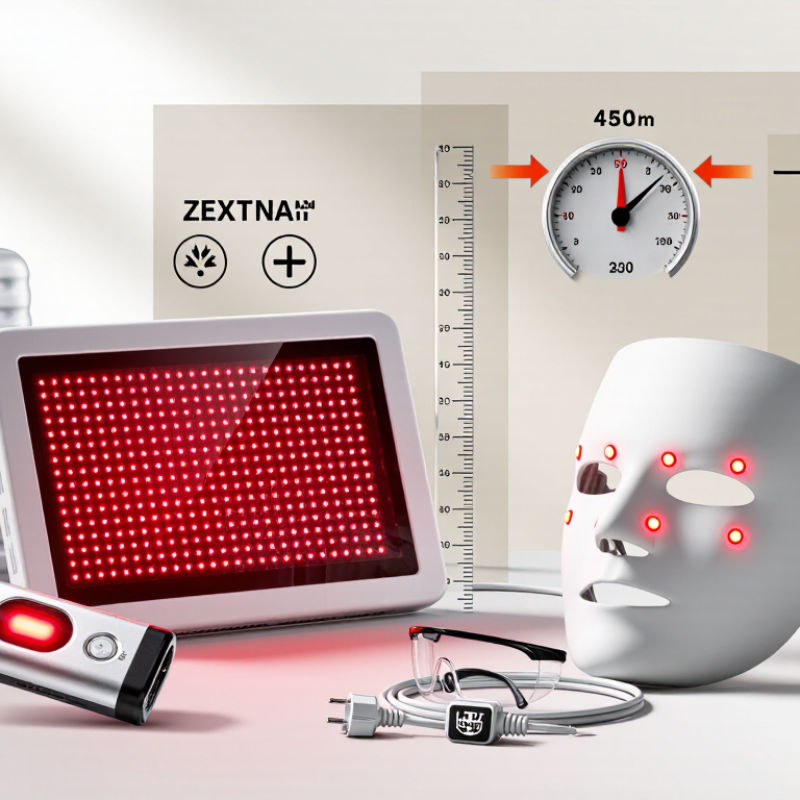
Red light therapy uses specific wavelengths to deliver light to body tissues. The two common choices are 660nm and 850nm. Understanding their differences matters more than choosing the highest power.
660nm red light
is commonly used for surface-level exposure. It may suit skin-focused routines and visible areas, such as the face or hands.
850nm near-infrared light
travels farther into tissue and is often selected for muscles or joints. It is invisible, so brightness cannot confirm whether the device works. That surprised me at first.
Check the stated wavelength, irradiance, treatment area, timer, and eye-safety guidance. A device listing only “red light” lacks useful detail. Compare measured output, not just wattage. More power is not automatically better; excessive exposure may cause warmth, redness, or discomfort. Follow the manufacturer’s distance and session recommendations. Start cautiously, especially with sensitive skin or photosensitive conditions. People using light-sensitive medication should ask a qualified healthcare professional first. Also inspect electrical certifications and return policies. Results vary, and wavelength is only one factor. I still find dose and consistency harder to judge than the color label.
Before buying a 660nm or 850nm device, define the result you want. Skin-focused goals often suit 660nm red light, which reaches shallower tissue. Muscle comfort or deeper areas may make 850nm near-infrared more relevant. These are practical tendencies, not guarantees. My early mistake was choosing a wavelength before measuring my goal. Sessions became inconsistent.
Tips: Match the wavelength to your goal. Verify the stated wavelength. Check irradiance at your treatment distance. Look for an adjustable timer. Review the coverage area. Confirm clear eye-safety guidance. Choose transparent instructions and responsive support.
Reliable buying decisions require more than bright LEDs. Ask whether the manufacturer provides testing details and realistic treatment instructions. Clinical evidence varies by condition, dose, and device design. Avoid promises of instant results. Track one outcome, such as skin texture or post-exercise comfort, with weekly notes and similar lighting. I still find this process imperfect, because personal routines change. That is worth acknowledging. Stop if discomfort develops, and seek professional advice for a medical concern. Extra caution matters when using photosensitizing medication or managing an eye condition. A qualified clinician can help you choose a safer treatment plan.
A 660nm and 850nm red light device should not be judged by wattage alone. Electrical power describes consumption, not the light reaching your skin. Irradiance, measured in mW/cm², shows treatment intensity. Fluence, measured in J/cm², combines intensity and time.
For example, 100 mW/cm² delivered for 10 minutes equals 60 J/cm², assuming stable and uniform output. That assumption often fails. LEDs may create brighter central zones and weaker edges.
A 2020 ICNIRP guidance report stresses exposure time, radiance, and distance when evaluating optical safety. IEC 62471 also evaluates photobiological risks, rather than relying on advertised electrical watts.
Coverage changes the buying decision. A panel covering 600 cm² at 100 mW/cm² would require about 60 watts of optical output across that area. Check whether the measurement covers the full panel. Ask for test distance, wavelength tolerance, and meter type. WALT dose recommendations also focus on delivered dose and treatment area, not headline wattage. That distinction matters for both 660nm surface exposure and deeper-penetrating 850nm applications.
I once treated higher wattage as stronger therapy. That was a poor shortcut. Published photobiomodulation trials use varied doses and protocols, so one impressive number cannot prove better results. Compare irradiance at your actual treatment distance. Measure coverage with your body position included. Some devices report peak output only. That detail can mislead.
Buying a 660nm and 850nm red light therapy device requires more than checking brightness. Published photobiomodulation reviews report wide differences in wavelength, irradiance, dose, and treatment time. That makes product comparisons difficult. Look for a measured output report, not only “high power” language. A 660nm wavelength is commonly associated with surface tissues, while 850nm light penetrates more deeply. Results still depend on distance and exposure time.
Tip 1: Check safety features. Choose automatic timers, cooling vents, stable stands, and protective eyewear when recommended. The IEC 62471 standard evaluates photobiological lamp risks, including eye and skin exposure. IEC 60601-1 is relevant to electrical safety in medical electrical equipment. These standards matter. Yet, a printed compliance claim is not the same as independent certification. Verify the certificate number and testing laboratory.
Tip 2: Review certifications carefully. Regional markings may confirm conformity, but they do not prove clinical effectiveness. A 2023 review in the Journal of Clinical Medicine found substantial variation across photobiomodulation studies, including dose and treatment schedules. That evidence deserves caution. Do not assume more LEDs mean better therapy.
Tip 3: Test ease of use before buying. The control panel should show wavelength, timer, and intensity clearly. The device should remain cool and quiet during a normal session. Keep records of distance, duration, and skin response. Small details reveal poor design. I would also question vague warranty terms and missing user instructions. The perfect device probably does not exist. Reliability comes from transparent testing, sensible controls, and realistic claims.
| Tip | What to Check | Reliable Specification or Evidence | Why It Matters | Warning Signs |
|---|---|---|---|---|
| 1 | Confirm the advertised wavelengths | The product documentation should clearly identify a red-light peak near 660 nm and a near-infrared peak near 850 nm. A technical datasheet should state the measurement tolerance or spectral range when available. | Wavelength determines which part of the light spectrum reaches the treatment area. A precise specification makes it easier to compare products and avoid unsupported claims. | Caution: Only “red light,” “deep penetration,” or “full spectrum” is listed without numerical wavelength information. |
| 2 | Check irradiance and dose information | Look for irradiance in mW/cm² at a stated distance, plus a recommended exposure time. Dose can be calculated as: J/cm² = mW/cm² × seconds ÷ 1,000. | Irradiance and treatment time determine the delivered energy. Measurements without a distance are difficult to interpret because light intensity changes as the user moves away from the device. | Caution: The listing provides only wattage, lux, or LED count and gives no irradiance measurement or test distance. |
| 3 | Review electrical and thermal safety | Prefer equipment with a documented electrical safety assessment, insulated housing, strain-relieved cables, stable mounting, ventilation, and automatic shut-off or timer controls. The surface should remain comfortable during normal use. | Electrical insulation, heat management, and stable positioning help reduce the risk of shock, burns, overheating, and accidental overexposure. | Caution: Exposed wiring, damaged cords, blocked vents, unstable stands, excessive heat, or no timer function. |
| 4 | Verify regulatory markings and documentation | Check for the marking and compliance information required in the buyer’s country, such as applicable electrical-safety or electromagnetic-compatibility requirements. Ask for a declaration of conformity, test report, or registration details when relevant. A regulatory clearance or registration is not the same as proof that every advertised benefit is clinically established. | Proper documentation helps confirm that the device has been assessed against relevant legal and technical requirements and identifies the responsible manufacturer or importer. | Caution: A logo is shown without a verifiable certificate, declaration, model number, or responsible economic operator. |
| 5 | Check eye-protection requirements | The instructions should state whether eye protection is required, recommended, or unnecessary for the specific device and operating distance. If goggles are supplied, they should be suitable for the device’s visible red-light output and intended use. | Bright visible light can cause discomfort and temporary glare. Near-infrared light is not visible, so users cannot rely on brightness as a warning that exposure is occurring. | Caution: The product gives no eye-safety instructions, encourages staring directly at high-intensity LEDs, or supplies generic goggles with no specifications. |
| 6 | Evaluate controls and ease of use | Useful features include an integrated timer, clearly separated 660 nm and 850 nm controls, adjustable intensity, visible status indicators, a readable manual, and a stated treatment distance. A stable stand or hands-free option can improve consistency. | Simple controls make it easier to follow the manufacturer’s schedule, maintain a consistent distance, and avoid unintentionally extending a session. | Caution: No timer, unclear buttons, difficult-to-read instructions, awkward positioning, or a power cable that limits safe placement. |
| 7 | Assess build quality, support, and claims | Look for a complete user manual, cleaning instructions, warranty terms, replacement-parts information, customer support contact details, and a clearly defined intended use. Prefer claims that distinguish general wellness use from medical treatment claims. | Good documentation and support help users operate, clean, store, and troubleshoot the device safely. Realistic claims are easier to evaluate than promises of guaranteed results. | Caution: Guaranteed cures, vague “detox” claims, no manual, no warranty information, or no identifiable support channel. |
660nm 850nm Red Light Therapy 7 Buying Tips
A reliable 660nm and 850nm device should feel rigid, balanced, and cool during operation. Check the panel housing, cable strain relief, ventilation openings, and connector fit. Loose parts often reveal poor assembly. IEC 62471 requires evaluation of photobiological safety, so ask for test documentation rather than trusting bright output alone. More light is not automatically better.
Warranty terms expose the manufacturer’s confidence. Look for at least a clear coverage period, repair procedures, replacement rules, and accessible customer support. Grand View Research’s 2024 market analysis identified continued growth in light therapy demand, but fast market growth can also attract inconsistent products. Treat impressive sales claims carefully. A two-year warranty with vague exclusions may provide less value than a shorter, transparent warranty.
Compare measured irradiance, treatment distance, timer accuracy, and power consumption. Independent laboratory reports are more useful than screenshots from product pages. A suitable device should list measurement conditions, not only peak numbers. I have seen specifications change with distance, which makes comparisons difficult. That is a weakness worth admitting. Also inspect the return window, included eye protection, and replacement-part availability. A lower purchase price may become expensive when a damaged cable requires replacing the entire unit.
A quality device commonly combines 660 nm visible red light with 850 nm near-infrared light. Use the wavelength chart as a technical reference, then evaluate the product using these seven checks:

